
 Back
Back 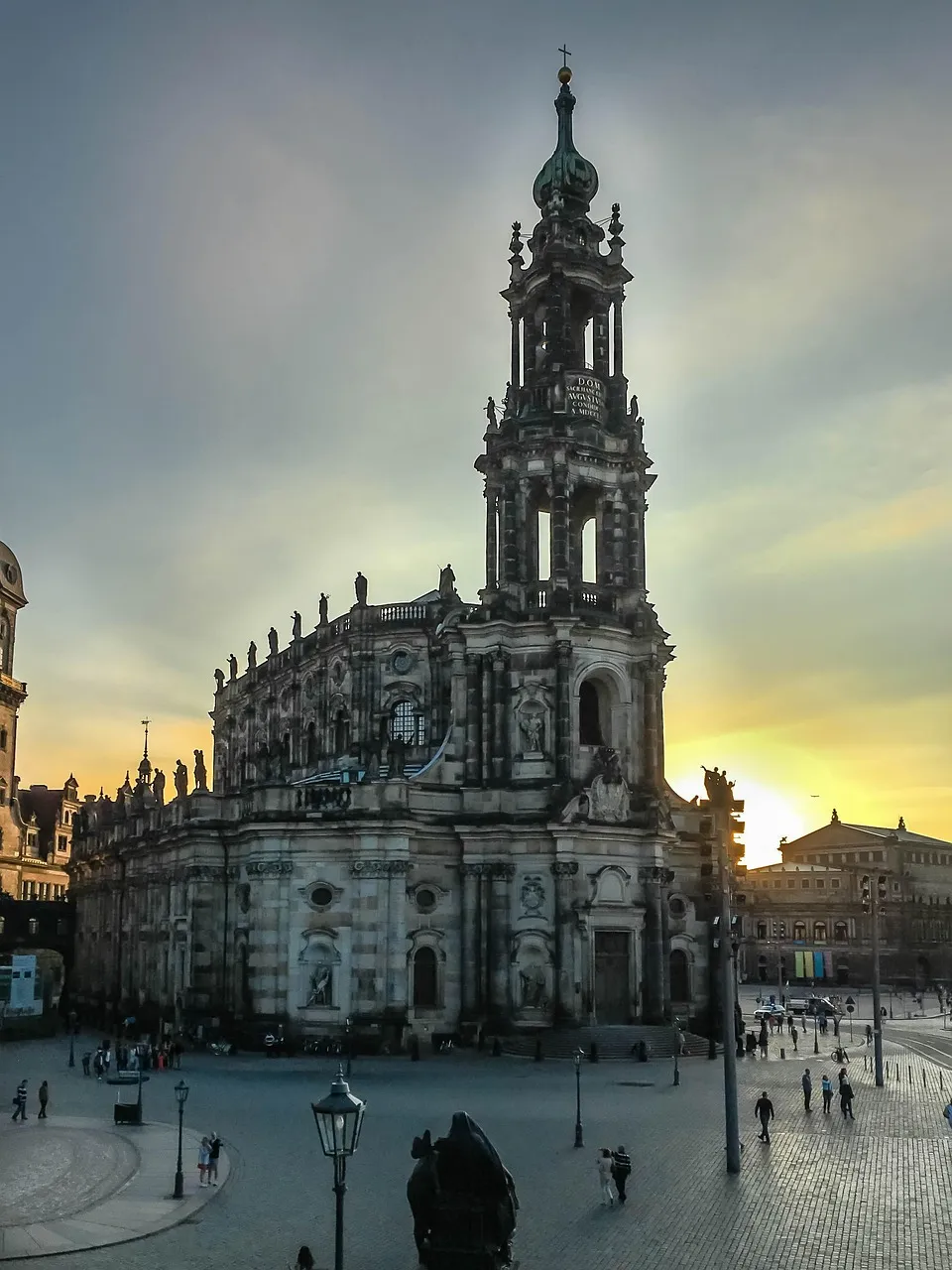
Dresden
Germany
City Overview
"Dresden: A Baroque jewel on the Elbe, blending imperial grandeur with wartime scars and vibrant rebirth."
Access
- By air: Dresden Airport (DRS), 9 km north of the city center, with direct flights to major European hubs (e.g., Frankfurt, Munich, Zurich) and budget carriers (Ryanair, easyJet).
- By train: Dresden Hauptbahnhof (main station), a key ICE hub with high-speed connections to Berlin (2h), Leipzig (1h), Prague (2.5h), and Frankfurt (4.5h).
Main Districts
- Altstadt (Old Town): Historic core with Baroque landmarks (Frauenkirche, Zwinger, Semperoper), museums, and the Elbe River promenade. Tourist-heavy but essential for culture.
- Neustadt (New Town): Bohemian, artsy district north of the Elbe, packed with indie shops, street art, cafés, and nightlife (e.g., Alaunstraße, Bärenzwinger). Younger, alternative vibe.
- Blasewitz/Loschwitz: Upscale residential areas with the iconic Blue Wonder bridge, vineyard terraces, and the funicular to Weißer Hirsch (panoramic views). Quieter, scenic.
Quick Booking
Weather Forecast
15 °C
Practical Information
Emergency Contact Numbers
Police : 110
Fire : 112
Ambulance : 112
Currency & Conversion

0.88 EUR
Electrical Plugs
Voltage : Not available
Plug Type : C,F
Culture & Etiquette
Cultural Summary of Dresden
Historical Identity
Dresden is a city shaped by its Baroque splendor and tragic history. Once the royal residence of Saxon kings, it flourished as a center of art, music, and architecture in the 18th century.
The city was heavily bombed in World War II, destroying much of its heritage. Post-war reconstruction restored many landmarks, blending historical grandeur with modern resilience.
Today, Dresden is known as the "Florence of the Elbe" for its cultural richness and scenic riverside beauty.
Three Major Cultural Sites or Museums
Frauenkirche (Church of Our Lady)
- A masterpiece of Protestant Baroque architecture.
- Rebuilt after WWII destruction, symbolizing reconciliation.
- Offers panoramic views from its dome.
Zwinger Palace
- A stunning Baroque complex with gardens and fountains.
- Houses world-class museums, including the Old Masters Picture Gallery (home to Raphael’s Sistine Madonna).
- Features the Porcelain Collection and Mathematical-Physical Salon.
Green Vault (Grünes Gewölbe)
- One of Europe’s most lavish treasure chambers.
- Displays priceless jewels, goldwork, and royal artifacts.
- Split into the Historic Green Vault (original setting) and New Green Vault (modern exhibition).
Iconic Local Gastronomy
Dresdner Stollen
- A rich, buttery fruitcake with raisins, almonds, and powdered sugar.
- Traditionally eaten during Christmas but available year-round.
Saxon Sauerbraten
- Marinated pot roast, often served with red cabbage and dumplings.
- A hearty dish reflecting regional German cuisine.
Dresdner Eierschecke
- A layered cheesecake with quark, custard, and a thin pastry base.
- A local specialty with a creamy, slightly tangy flavor.
Dresdner Handbrot
- Freshly baked bread filled with cheese, ham, or other savory ingredients.
- Often sold at bakeries and markets.