
 Back
Back 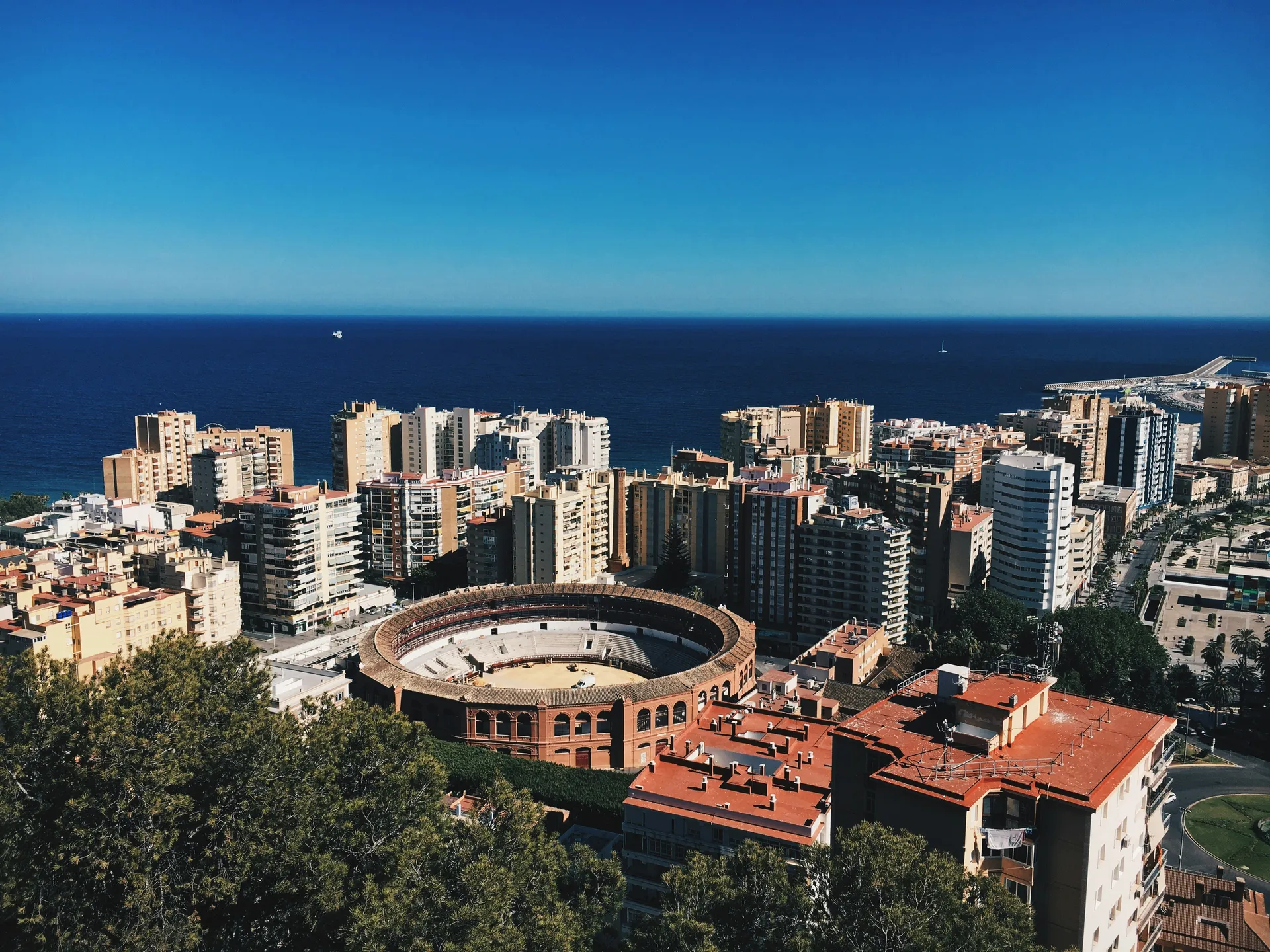
Málaga
Spain
City Overview
Málaga: A sun-drenched Andalusian hub where history, culture, and coastal vibrancy collide.
Access:
- Air: Málaga-Costa del Sol Airport (AGP) – Spain’s 4th-busiest, with direct flights across Europe and key global hubs.
- Rail: Málaga María Zambrano station – high-speed AVE trains connect to Madrid (2.5h), Barcelona (6h), and regional Andalusian cities.
Key Zones/Districts:
- Historic Center (Centro Histórico): Roman ruins, Moorish Alcazaba fortress, Picasso’s birthplace, and dense tapas bars around Plaza de la Constitución.
- La Malagueta & Eastern Waterfront: Urban beaches (Playa de la Malagueta), port area (Muelle Uno), and modern attractions like Pompidou Málaga.
- Western Expansion (Soho & Teatinos): Artsy Soho (street art, contemporary galleries) and student-heavy Teatinos (nightlife, budget eats).
Quick Booking
Weather Forecast
34 °C
Practical Information
Emergency Contact Numbers
Police : 112
Fire : 112
Ambulance : 112
Currency & Conversion

0.88 EUR
Electrical Plugs
Voltage : Not available
Plug Type : C,F
Culture & Etiquette
Cultural Summary of Málaga, Spain
Historical Identity
Málaga is a city with over 3,000 years of history, founded by the Phoenicians in the 8th century BC. It later flourished under Roman and Moorish rule, leaving a rich architectural and cultural legacy. The city was a key port during the Al-Andalus period and later became a hub of Renaissance and Baroque art. Today, Málaga blends its ancient past with a vibrant modern identity, known as the birthplace of Pablo Picasso and a center of contemporary culture.
Three Major Cultural Sites & Museums
Picasso Museum (Museo Picasso Málaga)
- Dedicated to Pablo Picasso, Málaga’s most famous native.
- Houses over 200 works spanning his career.
- Located in the Buenavista Palace, a 16th-century building.
Alcazaba of Málaga
- A Moorish fortress-palace from the 11th century.
- One of the best-preserved Islamic structures in Spain.
- Features gardens, fountains, and archaeological remains.
Roman Theatre (Teatro Romano)
- Built in the 1st century BC under Emperor Augustus.
- Rediscovered in 1951 and partially restored.
- Still used for open-air performances today.
Iconic Local Gastronomy
- Espetos de Sardinas – Sardines skewered and grilled over an open fire, a coastal tradition.
- Porra Antequerana – A thick, cold soup similar to gazpacho, made with tomatoes, bread, and garlic.
- Bienmesabe – A sweet almond-based dessert, often served with ice cream.
- Málaga Wine (Vino de Málaga) – A sweet, fortified wine produced in the region since Roman times.