
 Back
Back 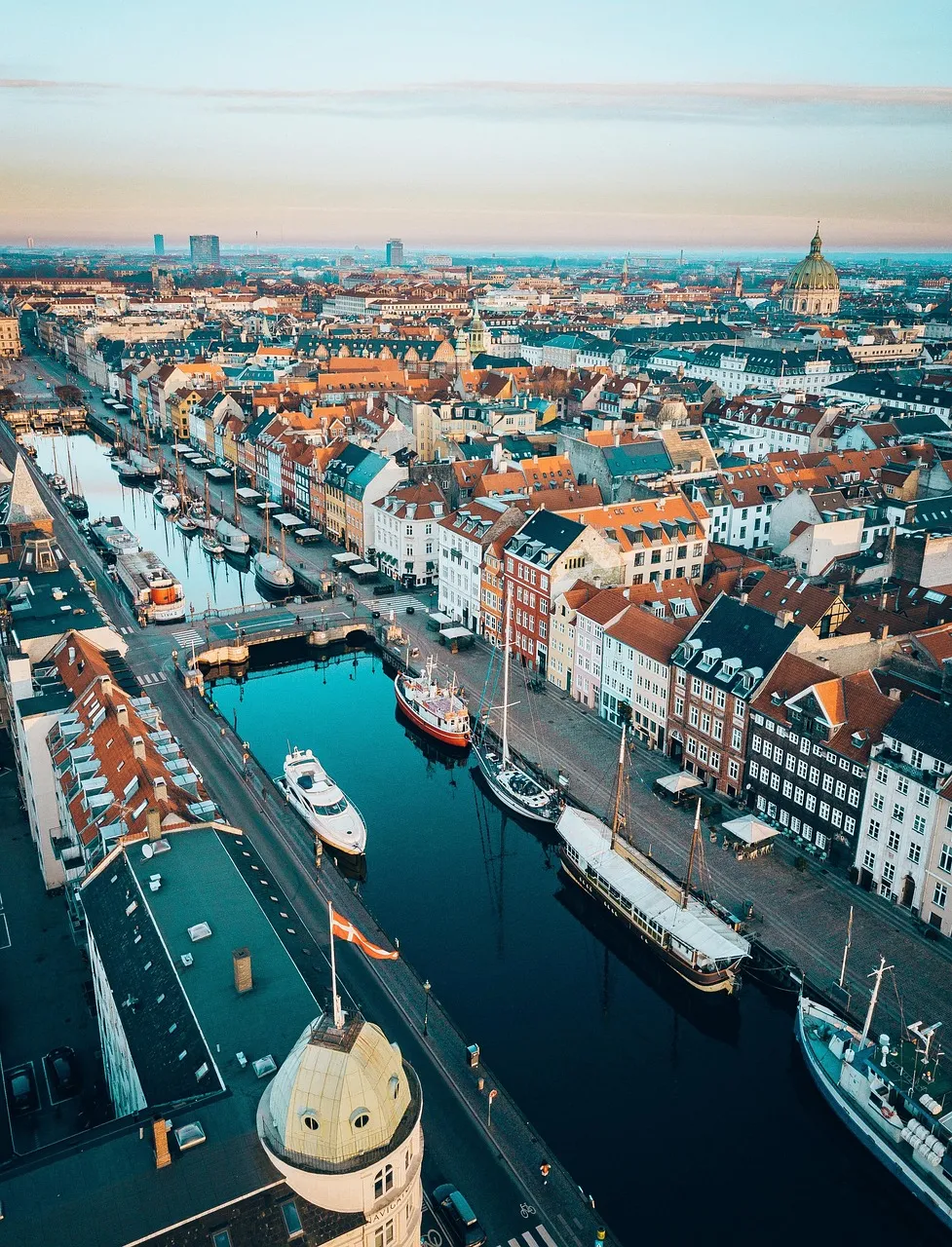
Copenhagen
Denmark
City Overview
Copenhagen: Denmark’s vibrant capital where Nordic charm meets cutting-edge design and effortless livability.
Main access points:
- By air: Copenhagen Airport (CPH) – Scandinavia’s busiest hub, 8 km south of the city, with direct metro (15 min) and train (12 min) links to the center.
- By rail/sea: Central Station (København H) – Major rail terminus for domestic (DSB) and international trains (Öresundståg to Sweden), plus ferry terminals (e.g., DFDS to Oslo).
Three core zones/districts:
- Indre By (City Center) – Historic core with Tivoli Gardens, Strøget (pedestrian shopping street), Rosenborg Castle, and Nyhavn’s iconic waterfront.
- Vesterbro/Kødbyen – Trendy, post-industrial district with meatpacking district nightlife, hipster cafés, and the Carlsberg Brewery.
- Østerbro/Nørrebro – Østerbro (upscale, family-friendly, with the Little Mermaid) vs. Nørrebro (multicultural, gritty, and youth-driven, home to Assistens Cemetery).
Quick Booking
Weather Forecast
22 °C
Practical Information
Emergency Contact Numbers
Police : 112
Fire : 112
Ambulance : 112
Currency & Conversion

—
Electrical Plugs
Voltage : Not available
Plug Type : C,F,K
Culture & Etiquette
Cultural Summary of Copenhagen
Historical Identity
Copenhagen blends medieval charm with modern Scandinavian innovation.
Founded as a Viking fishing village in the 10th century, it grew into Denmark’s capital by the 15th century. The city flourished under royal patronage, becoming a center of trade, art, and maritime power.
Today, it balances historic landmarks with progressive urban design, reflecting its role as a cultural and creative hub.
Three Major Cultural Sites or Museums
National Museum of Denmark
- Denmark’s largest museum of cultural history.
- Covers 14,000 years of Danish life, from Viking artifacts to modern exhibits.
- Features the famous Sun Chariot and interactive displays.
Ny Carlsberg Glyptotek
- A world-class art museum with ancient and modern collections.
- Houses Impressionist works by Monet, Degas, and Van Gogh.
- Includes classical sculptures and a lush winter garden.
Rosenborg Castle
- A 17th-century Renaissance palace built by Christian IV.
- Displays the Danish Crown Jewels and royal artifacts.
- Surrounded by the scenic Kongens Have (King’s Garden).
Iconic Local Gastronomy
- Smørrebrød – Open-faced rye bread sandwiches with toppings like pickled herring, roast beef, or egg.
- Danish Pastries – Flaky, buttery treats (e.g., wienerbrød), often filled with custard or fruit.
- New Nordic Cuisine – Modern, locally sourced dishes emphasizing seasonal ingredients (e.g., at Noma or Kødbyens Fiskebar).