
 Back
Back 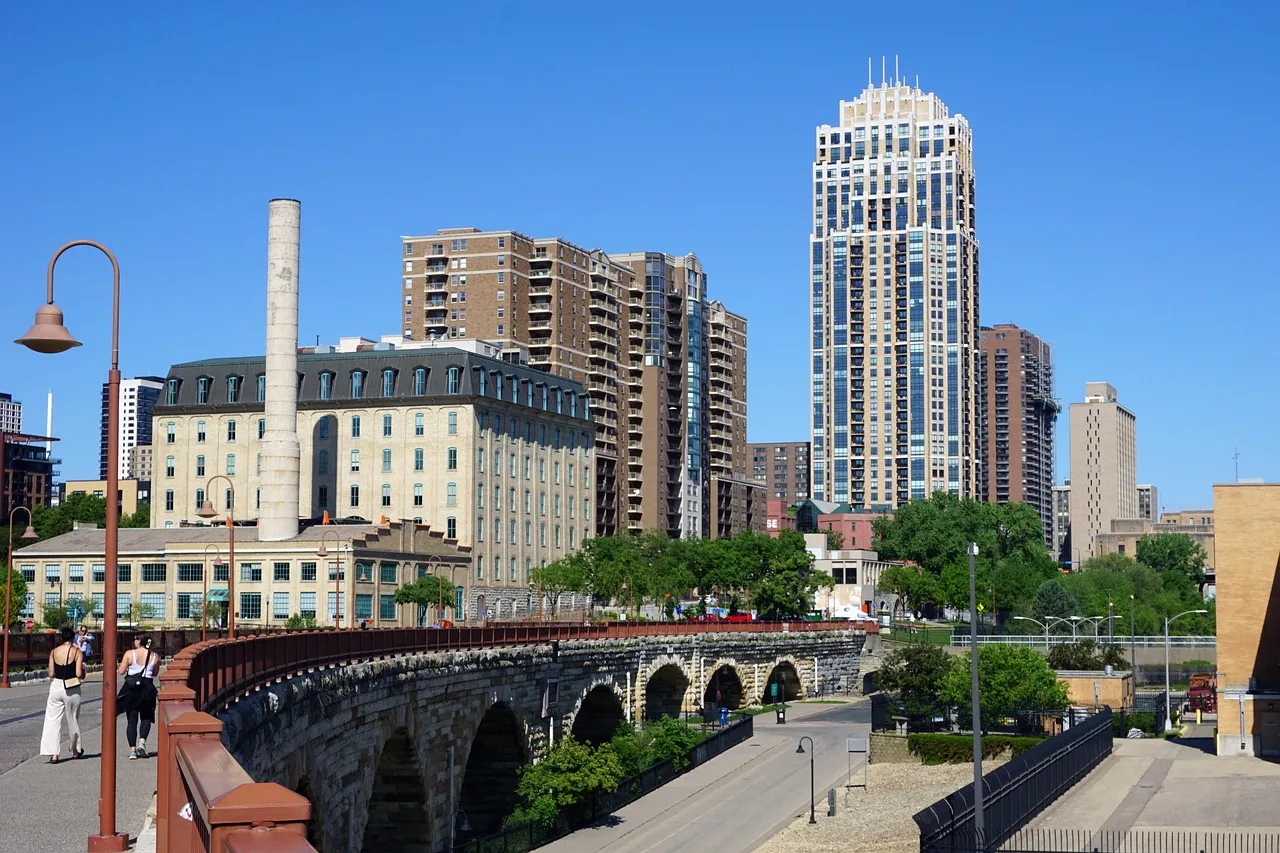
Minneapolis
United States
City Overview
Minneapolis: America’s "City of Lakes" where urban grit meets Nordic charm, anchored by waterways, culture, and a no-nonsense work ethic.
Access
- Air: Minneapolis-St. Paul International Airport (MSP) – 12 miles southeast of downtown, served by all major U.S. and international carriers, with light rail (Blue Line) direct to the city center.
- Road: Interstates I-94 (east-west) and I-35W/I-35E (north-south) converge in the metro; Greyhound and Jefferson Lines buses terminate at the Midtown Transit Station.
Districts
- Downtown – Core of business (IDC towers, U.S. Bank Stadium), arts (Walker Art Center, Guthrie Theater), and nightlife (Warehouse District bars, Nicollet Mall shopping). Home to the Mississippi Riverfront and the Stone Arch Bridge.
- Uptown/Lake Calhoun – Hipster hub with boutique shops (Lyn-Lake), lakeside trails (Bde Maka Ska, Lake Harriet), and the Midtown Greenway bike corridor. Anchored by Calhoun Square mall.
- Northeast Minneapolis – Artsy, industrial enclave with breweries (Indeed, Bauhaus), dive bars, and the St. Anthony Main historic district. Formerly a working-class Scandinavian stronghold, now a creative class magnet.
Quick Booking
Weather Forecast
12 °C
Practical Information
Emergency Contact Numbers
Police : 911
Fire : 911
Ambulance : 911
Currency & Conversion

1.00 USD
Electrical Plugs
Voltage : Not available
Plug Type : A,B
Culture & Etiquette
Cultural Summary of Minneapolis
Historical Identity
Minneapolis grew from a small milling town into a major urban center in the 19th century. Its identity is tied to the Mississippi River, which powered flour mills and shaped its early economy.
The city later became a hub for Scandinavian and German immigrants. This influence remains visible in local traditions, architecture, and festivals.
Today, Minneapolis blends industrial heritage with a vibrant arts and music scene. It is known for its progressive culture and strong community engagement.
Three Major Cultural Sites or Museums
Minneapolis Institute of Art (Mia)
- One of the largest art museums in the U.S.
- Free admission.
- Houses over 90,000 works spanning 5,000 years.
Walker Art Center
- A leading contemporary art museum.
- Features modern visual, performing, and media arts.
- Adjacent to the Minneapolis Sculpture Garden, home to the iconic Spoonbridge and Cherry.
Mill City Museum
- Built inside the ruins of an old flour mill.
- Focuses on the city’s milling history.
- Offers riverfront views and interactive exhibits.
Iconic Local Gastronomy
- Juicy Lucy – A cheese-stuffed burger, best tried at Matt’s Bar or The 5-8 Club.
- Wild Rice – A Native American staple, often used in soups and side dishes.
- Scandinavian Pastries – Try lefse (potato flatbread) or krumkake (waffle cookie) at local bakeries.
- Craft Beer – Minneapolis has a thriving brewery scene, with notable spots like Surly Brewing Co.