
 Back
Back 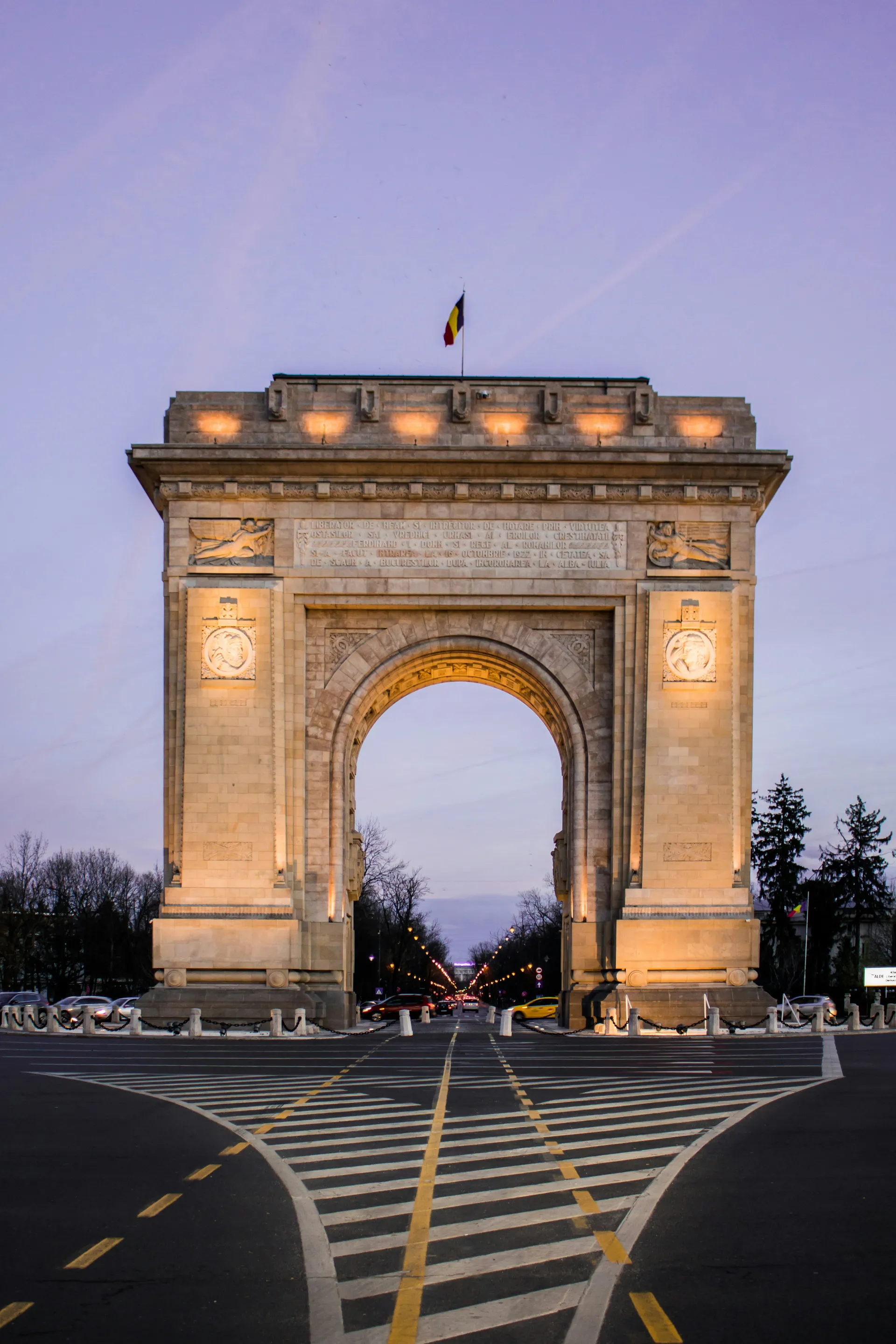
Bucharest
Romania
City Overview
Bucharest: Romania’s chaotic yet vibrant capital, where communist relics clash with modern energy and grand interwar architecture.
How to access it:
- By air – Henri Coandă International Airport (OTP), 16 km north of the city, with direct flights to major European hubs.
- By train – Gara de Nord, the main railway station, connects Bucharest to all major Romanian cities and international routes (Budapest, Sofia, Istanbul).
Three main zones/districts:
- Centru Civic (Civic Center) – Heart of communist-era megalomania, featuring the Palace of the Parliament (world’s heaviest building), wide boulevards, and Soviet-style architecture.
- Lipscani (Old Town) – Historic core with cobbled streets, 19th-century merchant houses, nightlife hubs, and landmarks like Curtea Veche (Vlad the Impaler’s court).
- Northern Bucharest (Primăverii, Dorobanți, Herăstrău) – Upscale residential and diplomatic area with parks (Herăstrău), luxury boutiques, and the former Ceaușescu mansion.
Quick Booking
Weather Forecast
25 °C
Practical Information
Emergency Contact Numbers
Police : 112
Fire : 112
Ambulance : 112
Currency & Conversion

—
Electrical Plugs
Voltage : Not available
Plug Type : C,F
Culture & Etiquette
Cultural Summary of Bucharest
Historical Identity
Bucharest is Romania’s vibrant capital. It blends Ottoman, French, and communist influences.
Once called "Little Paris" for its Belle Époque architecture. The city endured earthquakes, wars, and communist-era demolitions.
Today, it balances historic charm with modern energy. A mix of grand boulevards, Orthodox churches, and Soviet-era landmarks defines its character.
Three Major Cultural Sites & Museums
Palace of the Parliament
- The world’s heaviest building.
- A relic of Nicolae Ceaușescu’s communist regime.
- Houses museums, government offices, and guided tours.
Village Museum (Muzeul Satului)
- An open-air ethnographic museum.
- Features over 300 traditional Romanian houses, churches, and windmills.
- Showcases rural life from across Romania.
National Museum of Art of Romania
- Located in the former Royal Palace.
- Displays Romanian and European art, including medieval and modern works.
- Highlights include religious icons and sculptures.
Iconic Local Gastronomy
- Sarmale – Cabbage rolls stuffed with minced pork and rice.
- Mici – Grilled minced meat rolls, often served with mustard and bread.
- Ciorbă de burtă – Tripe soup with sour cream and vinegar.
- Papanasi – Fried doughnuts topped with sour cream and jam.
- Șuică – Strong plum brandy, a traditional Romanian spirit.