
 Back
Back 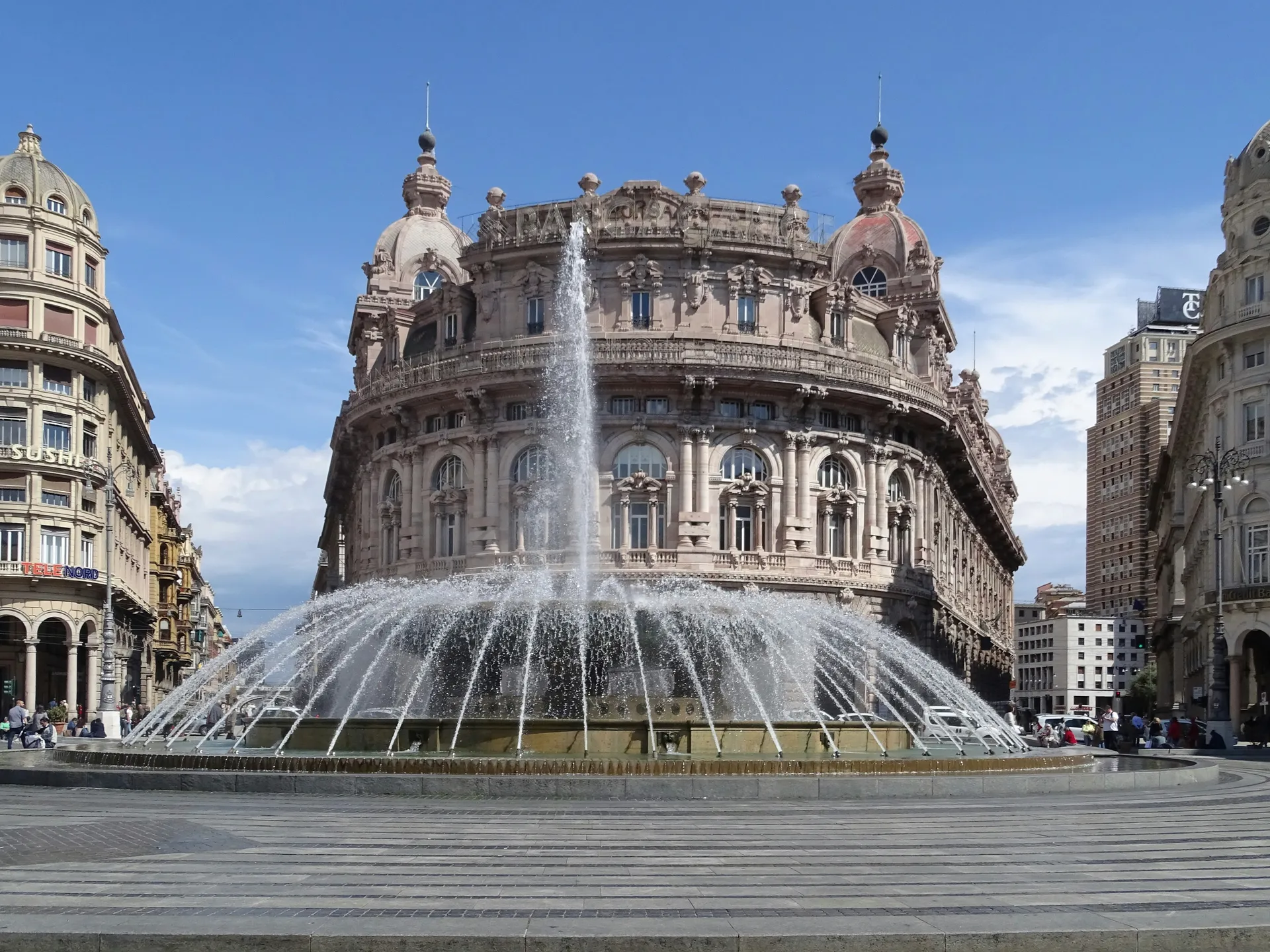
Genoa
Italy
City Overview
Genoa: Italy’s rugged maritime powerhouse, where medieval alleys meet a gritty, working-port soul.
How to access it:
- By air: Cristoforo Colombo Airport (GOA), 6 km west of the city center, with domestic and limited international flights.
- By train: Genova Piazza Principe (main station for long-distance/high-speed trains) and Genova Brignole (regional hub), both well-connected to Milan, Turin, and Rome.
Three main zones/districts:
- Centro Storico (Old Town): Labyrinthine caruggi (narrow alleys), medieval palazzi, and landmarks like the Cathedral of San Lorenzo; dense, chaotic, and tourist-heavy.
- Porto Antico (Old Port): Revitalized waterfront with the Aquarium, Galata Maritime Museum, and modern attractions; pedestrian-friendly and family-oriented.
- Albaro & Foce: Upscale residential areas with Art Nouveau villas, seaside promenades (e.g., Corso Italia), and a quieter, bourgeois vibe.
Quick Booking
Weather Forecast
30 °C
Practical Information
Emergency Contact Numbers
Police : 112
Fire : 112
Ambulance : 112
Currency & Conversion

0.88 EUR
Electrical Plugs
Voltage : Not available
Plug Type : C,F,L
Culture & Etiquette
Cultural Summary of Genoa
Historical Identity
Genoa is a historic maritime powerhouse. It rose as a dominant trade and naval force in the Mediterranean during the Middle Ages and Renaissance.
The city was a key rival to Venice and Pisa. Its wealth came from commerce, banking, and exploration—most famously through Christopher Columbus, a native son.
Genoa’s old town reflects its layered past. Narrow alleys (caruggi) and grand palaces tell stories of merchants, artists, and sailors who shaped its identity.
Three Major Cultural Sites or Museums
Palazzi dei Rolli
- A UNESCO-listed collection of Renaissance and Baroque palaces.
- Built by Genoa’s aristocratic families in the 16th–17th centuries.
- Some are open to the public, showcasing lavish interiors and art.
Galata Maritime Museum
- Italy’s largest maritime museum.
- Chronicles Genoa’s seafaring history, from medieval ships to modern navigation.
- Features a full-scale replica of a 17th-century galley.
Genoa Cathedral (Cattedrale di San Lorenzo)
- A striking Romanesque-Gothic cathedral with black-and-white striped façades.
- Houses relics, medieval art, and a treasury with religious artifacts.
- The nearby Museum of the Treasury displays sacred objects.
Iconic Local Gastronomy
Pesto alla Genovese
- The city’s most famous dish.
- Made with basil, pine nuts, garlic, Parmesan, Pecorino, and olive oil.
- Traditionally served with trofie pasta.
Focaccia
- A staple street food.
- Soft, olive oil-rich bread, often topped with rosemary or salt.
- Best enjoyed fresh from local bakeries.
Farinata
- A thin, crispy chickpea flour pancake.
- Cooked in wood-fired ovens.
- A simple, savory snack with ancient origins.
Seafood Specialties
- Stoccafisso (dried cod) and baccalà (salted cod) are local favorites.
- Ciuppin—a rich fish stew, similar to bouillabaisse.
- Fresh anchovies, mussels, and sardines feature in many dishes.