
 Back
Back 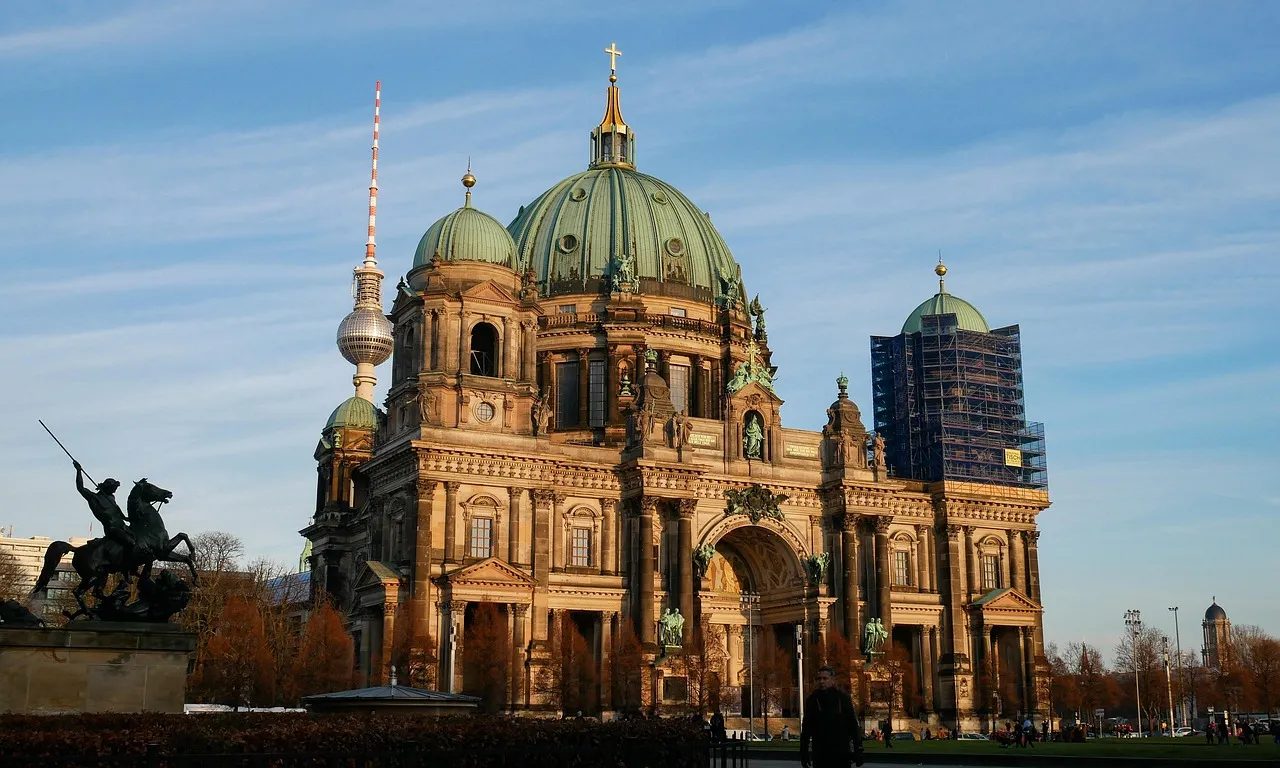
Berlin
Germany
City Overview
Berlin: A dynamic metropolis where history, culture, and counterculture collide at every turn.
Access:
- By air: Berlin is served by two major airports—Berlin Brandenburg Airport (BER) (primary international hub) and Berlin Tegel (TXL) (limited operations, phasing out).
- By rail: Berlin Hauptbahnhof (Central Station) is the main long-distance rail hub, connecting to domestic (ICE, EC) and international (EuroCity, Nightjet) routes.
Main Zones/Districts:
- Mitte – The historic and political core, home to landmarks like the Brandenburg Gate, Reichstag, Museum Island, and Alexanderplatz.
- Kreuzberg/Friedrichshain – The epicenter of alternative culture, nightlife, street art, and multicultural dining, split by the Spree River.
- Charlottenburg-Wilmersdorf – Upscale, elegant, and tourist-friendly, featuring the Kaiser Wilhelm Memorial Church, Charlottenburg Palace, and high-end shopping (Kurfürstendamm).
Quick Booking
Weather Forecast
21 °C
Practical Information
Emergency Contact Numbers
Police : 110
Fire : 112
Ambulance : 112
Currency & Conversion

0.88 EUR
Electrical Plugs
Voltage : Not available
Plug Type : C,F
Culture & Etiquette
Cultural Summary of Berlin
Historical Identity
Berlin is a city shaped by layers of history—from its Prussian roots to its role as the capital of Nazi Germany, Cold War division, and reunification.
It emerged as a cultural and political hub in the 18th century under Frederick the Great. The 20th century brought destruction, ideological clashes, and eventual rebirth. Today, Berlin is known for its resilience, artistic freedom, and countercultural spirit.
Three Major Cultural Sites & Museums
Museum Island (Museumsinsel)
- A UNESCO World Heritage site.
- Home to five world-class museums, including the Pergamon Museum (ancient artifacts) and the Neues Museum (Egyptian bust of Nefertiti).
- A testament to Berlin’s historical and artistic legacy.
East Side Gallery
- The longest remaining stretch of the Berlin Wall (1.3 km).
- Features over 100 murals by international artists, including the iconic "Fraternal Kiss."
- A symbol of freedom and political expression.
Jewish Museum Berlin
- Designed by Daniel Libeskind, its architecture reflects Germany’s Jewish history.
- Exhibits trace 2,000 years of Jewish life in Germany, including the Holocaust’s impact.
- A place of remembrance and dialogue.
Iconic Local Gastronomy
Currywurst
- Berlin’s most famous street food.
- Sliced pork sausage with curry-ketchup sauce, served with fries or bread.
- Best enjoyed at Curry 36 or Konnopke’s Imbiss.
Döner Kebab
- Invented in Berlin in the 1970s.
- A late-night staple: spiced meat in flatbread with veggies and sauce.
- Try it at Mustafa’s Gemüse Kebap or Rüyam Gemüse Kebap.
Berliner Pfannkuchen
- A jelly-filled doughnut (no hole), often dusted with sugar.
- Traditionally eaten on New Year’s Eve.
- Best found at bakeries like Brot & Butter or Zeit für Brot.