
 Back
Back 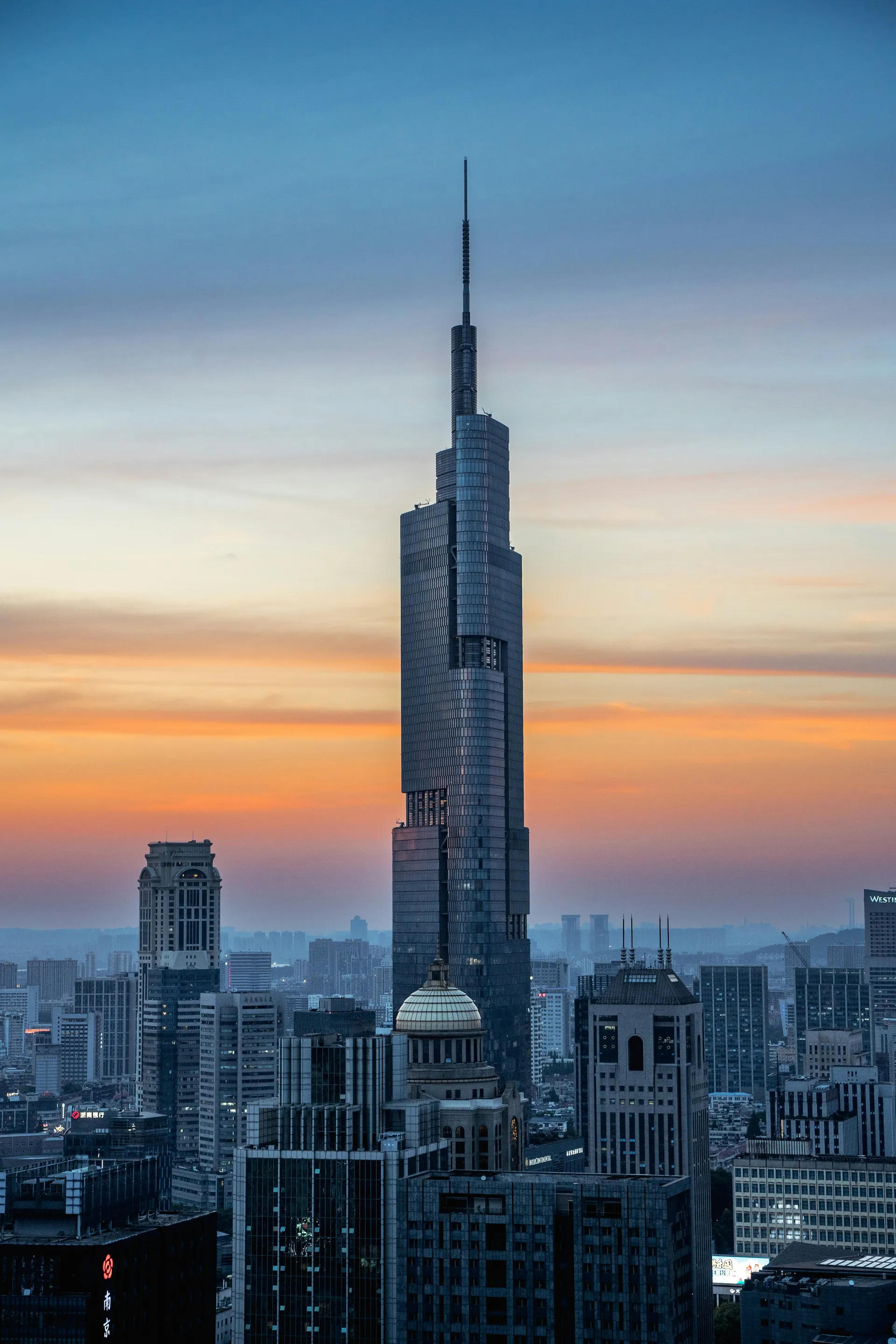
Nanjing
China
City Overview
Nanjing: China’s historic capital where imperial grandeur meets modern dynamism.
Access:
- By air – Nanjing Lukou International Airport (NKG), 35 km south of the city, with domestic and international flights.
- By rail – Nanjing Railway Station (high-speed trains from Shanghai in ~1.5 hrs, Beijing in ~3.5 hrs) and Nanjing South Railway Station (primary hub for G-series bullet trains).
Key Districts/Zones:
- Xuanwu District – Core historic area with landmarks like the Ming Xiaoling Mausoleum, Xuanwu Lake, and the Presidential Palace.
- Qinhuai District – Cultural and nightlife hub centered on the Qinhuai River, home to Confucius Temple and Fuzimiao.
- Jianye District – Modern business and commercial zone with the Nanjing Olympic Sports Center and high-rise developments.
Quick Booking
Weather Forecast
26 °C
Practical Information
Emergency Contact Numbers
Police : 110
Fire : 119
Ambulance : 120
Currency & Conversion

—
Electrical Plugs
Voltage : Not available
Plug Type : A,I
Culture & Etiquette
Cultural Summary of Nanjing
Historical Identity
Nanjing is one of China’s Four Great Ancient Capitals, with a history spanning over 2,500 years. It served as the capital for multiple dynasties, including the Ming (1368–1644) and the Republic of China (1927–1937, 1945–1949).
The city blends imperial grandeur, wartime memory, and modern revival. Its past is marked by cultural flourishing, political power, and tragic conflicts, such as the Nanjing Massacre (1937).
Three Major Cultural Sites & Museums
Sun Yat-sen Mausoleum (中山陵)
- Honors Dr. Sun Yat-sen, founder of modern China.
- A monumental complex with grand architecture and scenic views.
- Symbolizes Republican China’s legacy.
Nanjing Museum (南京博物院)
- One of China’s oldest and largest museums.
- Houses over 400,000 artifacts, including Ming Dynasty treasures.
- Features historical, artistic, and archaeological exhibits.
Confucius Temple (夫子庙, Fuzimiao)
- A cultural and commercial hub along the Qinhuai River.
- Dedicated to Confucius, with traditional Chinese architecture.
- Hosts lantern festivals and folk performances.
Iconic Local Gastronomy
Salted Duck (盐水鸭, Yánshuǐ Yā)
- Nanjing’s most famous dish.
- Tender, lightly salted duck with a subtle, savory flavor.
Duck Blood and Vermicelli Soup (鸭血粉丝汤, Yāxiě Fěnsī Tāng)
- A hearty, spicy soup with duck blood, tofu, and vermicelli.
- Popular as a street food snack.
Tangbao (汤包, Soup Dumplings)
- Steamed soup-filled buns, similar to Shanghai’s xiaolongbao.
- Often served with ginger and vinegar for dipping.