
 Back
Back 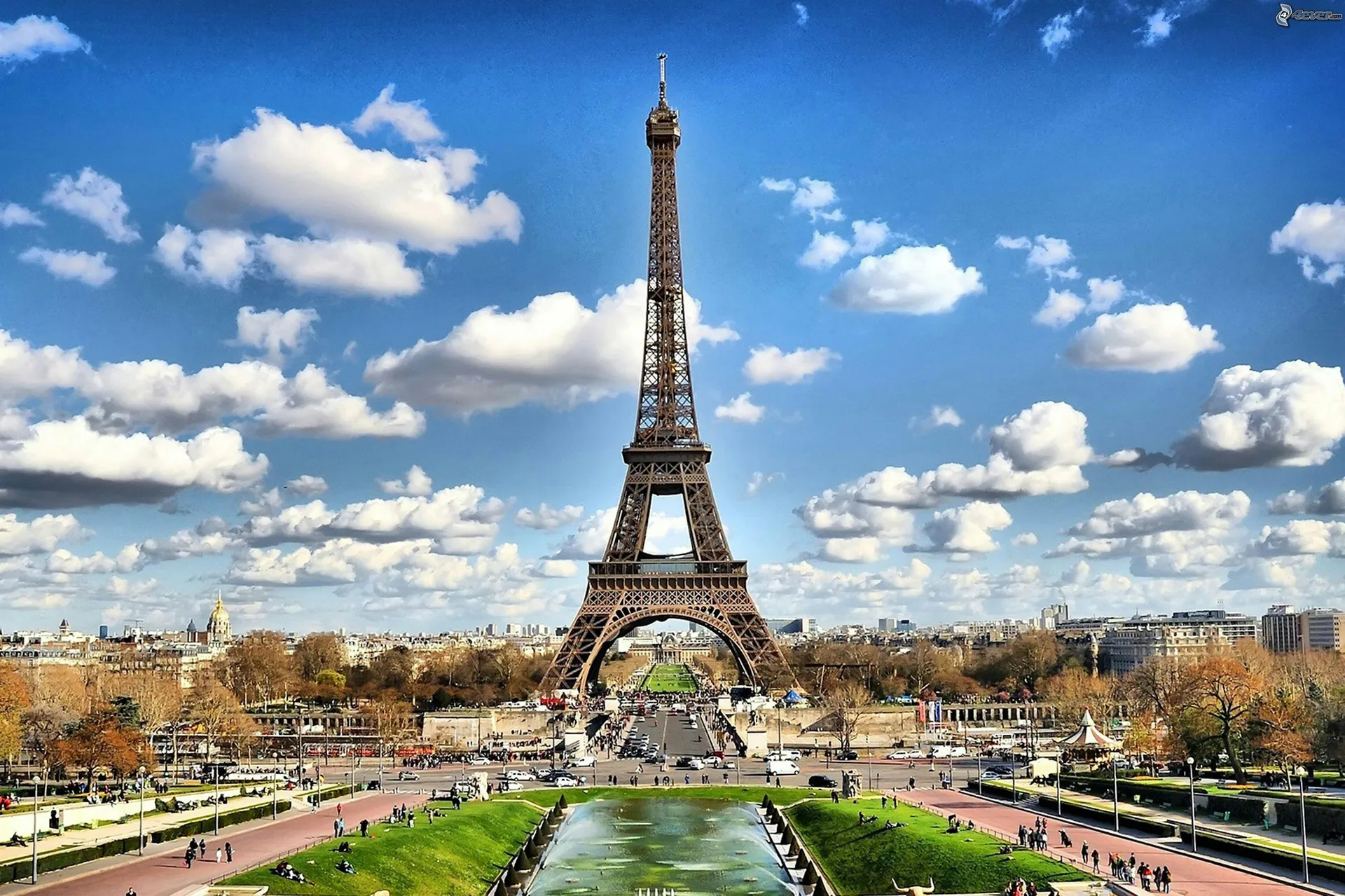
Paris
France
City Overview
Paris: The City of Light, where history, art, and romance collide in every cobblestone street.
Access
- By Air: Two major airports—Charles de Gaulle (CDG) (primary international hub, 25 km northeast) and Orly (ORY) (14 km south, mostly European/Schengen flights). RER trains, taxis, and buses connect both to central Paris.
- By Train: Gare du Nord (Eurostar from London, Thalys from Brussels/Amsterdam), Gare de Lyon (TGV from southern France/Switzerland/Italy), and Gare de l’Est (eastern France/Germany). High-speed rail (TGV, Eurostar) is the fastest land option.
Main Zones/Districts
- Central Paris (1st–4th arrondissements) – Historic core: Île de la Cité (Notre-Dame, Sainte-Chapelle), Le Marais (medieval streets, LGBTQ+ scene, falafel), Les Halles (shopping, transport hub), and Louvre/Tuileries (art, gardens, luxury hotels).
- Left Bank (5th–7th arrondissements) – Intellectual and bohemian hub: Latin Quarter (Sorbonne, student bars, cheap eats), Saint-Germain-des-Prés (cafés, bookshops, jazz), Eiffel Tower/Champ de Mars (tourist epicenter, Seine views), and Montparnasse (skyscraper, catacombs).
- Western Paris (8th–16th arrondissements) – Upscale and grand: Champs-Élysées (luxury shopping, Arc de Triomphe), Elysée Palace (presidential residence), Trocadéro (best Eiffel Tower photo spot), and Passy/Auteuil (residential, quiet, near Bois de Boulogne).
Quick Booking
Weather Forecast
22 °C
Practical Information
Emergency Contact Numbers
Police : 112 or 17
Fire : 112 or 18
Ambulance : 112 or 15
Currency & Conversion

0.88 EUR
Electrical Plugs
Voltage : Not available
Plug Type : C,E
Culture & Etiquette
Cultural Summary of Paris
Historical Identity
Paris is a city shaped by centuries of art, revolution, and intellectual ferment.
It emerged as a Roman settlement (Lutetia) before becoming the medieval heart of France. The Renaissance and Enlightenment fueled its reputation as a center of ideas. The 19th century transformed it into a modern metropolis—Haussmann’s boulevards, grand exhibitions, and bohemian Montmartre defined its golden age. Wars and revolutions left scars, but Paris remains a global symbol of culture, fashion, and romance.
Three Major Cultural Sites & Museums
The Louvre
- The world’s largest art museum.
- Houses iconic works like the Mona Lisa and Venus de Milo.
- A former royal palace, blending history and masterpieces.
Musée d’Orsay
- A converted Beaux-Arts railway station.
- Focuses on 19th- and early 20th-century art.
- Home to Impressionist and Post-Impressionist treasures.
Centre Pompidou
- A radical modernist landmark.
- Houses the Musée National d’Art Moderne.
- Features avant-garde art, design, and contemporary exhibitions.
Iconic Local Gastronomy
- Baguette – Crisp crust, soft interior. A staple of daily life.
- Croissant – Flaky, buttery pastry. Best enjoyed fresh from a boulangerie.
- Steak Frites – Classic bistro dish: tender steak with crispy fries.
- Cheese – Brie, Camembert, and Roquefort are local favorites.
- Macarons – Delicate almond meringue cookies. Ladurée and Pierre Hermé are famous purveyors.
- Wine – Parisian cafés serve regional French wines, from Bordeaux to Burgundy.