
 Back
Back 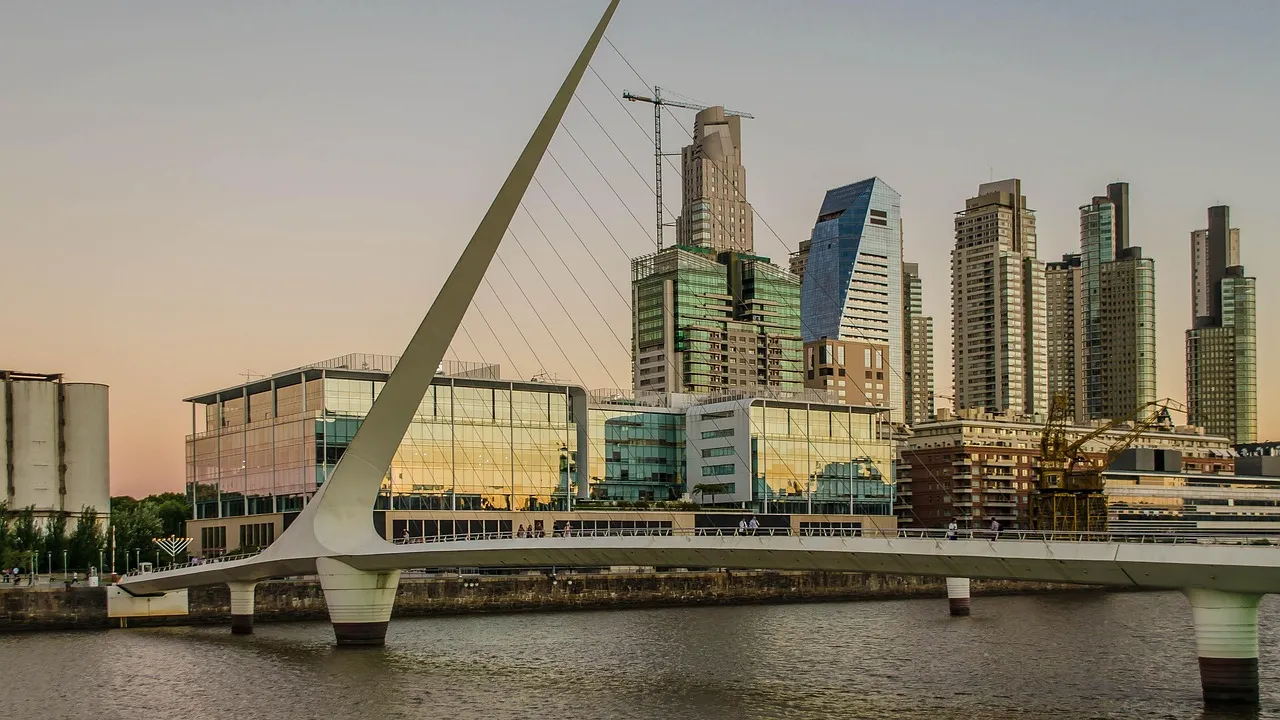
Buenos Aires
Argentina
City Overview
Buenos Aires: A vibrant, cosmopolitan capital where European elegance meets Latin passion, packed with tango, steak, and endless energy.
How to access it:
- By air: Ministro Pistarini International Airport (EZE), 35 km from downtown, with direct flights to major global hubs.
- By land: Long-distance buses (e.g., Retiro Terminal) connect to regional cities; limited international rail/bus links (e.g., from Uruguay).
Three main zones/districts:
- Microcentro (Downtown): Financial and administrative heart (San Nicolás, Monserrat), home to iconic landmarks like Plaza de Mayo, Obelisco, and Florida Street.
- North (Recoleta/Palermo): Upscale neighborhoods with parks (Bosques de Palermo), high-end dining, Recoleta Cemetery, and nightlife (Palermo Soho).
- South (San Telmo/La Boca): Historic, artsy, and working-class areas—San Telmo’s colonial charm and Sunday fair, La Boca’s colorful Caminito and Boca Juniors stadium.
Quick Booking
Weather Forecast
Practical Information
Emergency Contact Numbers
Currency & Conversion

Electrical Plugs
Culture & Etiquette
Cultural Summary of Buenos Aires
Historical Identity
Buenos Aires is Argentina’s vibrant capital. Founded in 1536, it grew as a key Spanish colonial port. The city blends European influences—especially Italian and Spanish—with a distinct Latin American energy.
Its identity is shaped by tango, immigration, and a strong literary tradition. The 19th and 20th centuries saw waves of European settlers, leaving a lasting mark on architecture, cuisine, and culture. Today, it’s a cosmopolitan hub with a rebellious, artistic spirit.
Three Major Cultural Sites or Museums
Teatro Colón
- One of the world’s finest opera houses.
- Renowned for its acoustics and grand architecture.
- Offers guided tours and performances.
Museo Nacional de Bellas Artes (National Museum of Fine Arts)
- Houses an extensive collection of Argentine and European art.
- Features works by Goya, Rembrandt, and local masters like Xul Solar.
- Free admission.
El Caminito (La Boca)
- A colorful, historic street in the La Boca neighborhood.
- Known for its vibrant houses, tango dancers, and artisan stalls.
- A symbol of immigrant culture and working-class heritage.
Iconic Local Gastronomy
Asado (Argentine barbecue)
- A social and culinary cornerstone.
- Features grilled meats, especially beef, cooked over wood or charcoal.
- Often served with chimichurri sauce.
Empanadas
- Savory pastries filled with meat, cheese, or ham.
- Regional variations exist—try the salteña or criolla styles.
Dulce de Leche
- A caramel-like spread used in desserts.
- Found in alfajores (cookie sandwiches), pancakes, and ice cream.
Mate
- A bitter herbal tea shared socially.
- A ritual of friendship and tradition.
Milanesa
- Breaded and fried meat cutlet (beef or chicken).
- Often served with mashed potatoes or in a sandwich (milanesa a la napolitana).