
 Back
Back 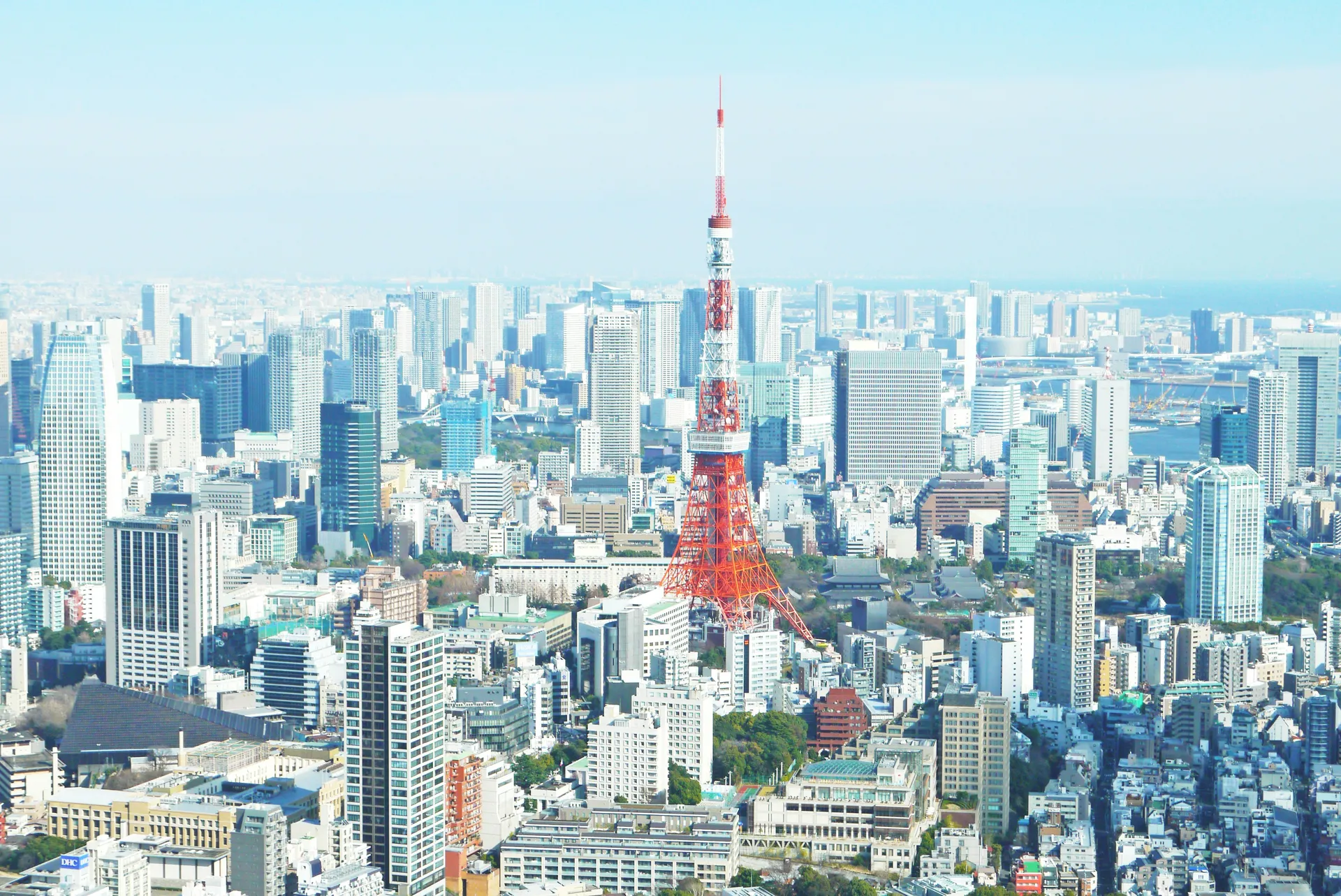
Tokyo
Japan
City Overview
Tokyo: A hyper-modern metropolis where neon-lit futurism collides with centuries-old tradition.
How to access:
- By air – Land at Narita International Airport (NRT) (60 km east, ~1h by train) or Haneda Airport (HND) (16 km south, ~30 min by train), both with direct rail links to central Tokyo.
- By rail – Arrive via Shinkansen (bullet train) at Tokyo Station or Shinagawa Station, connecting to major Japanese cities (e.g., Osaka in ~2.5h).
Three main zones/districts:
- Central Tokyo (Chiyoda/Chūō/Minato) – Government (Imperial Palace), finance (Marunouchi), luxury shopping (Ginza), and nightlife (Roppongi, Shimbashi).
- Western Tokyo (Shinjuku/Shibuya) – Transport hubs (Shinjuku Station, world’s busiest), youth culture (Shibuya Crossing, Harajuku), and entertainment (Kabukichō, Golden Gai).
- Eastern Tokyo (Asakusa/Ueno/Akihabara) – Traditional (Senso-ji Temple), otaku culture (Akihabara), and green spaces (Ueno Park), with older, grittier charm.
Quick Booking
Weather Forecast
31 °C
Practical Information
Emergency Contact Numbers
Police : 110
Fire : 119
Ambulance : 119
Currency & Conversion

163.08 JPY
Electrical Plugs
Voltage : Not available
Plug Type : A,B
Culture & Etiquette
Cultural Summary of Tokyo
Historical Identity
Tokyo began as a small fishing village called Edo in the 12th century.
It grew into a political center in 1603 when Tokugawa Ieyasu established his shogunate there.
The city was renamed Tokyo ("Eastern Capital") in 1868 when Emperor Meiji moved the imperial court from Kyoto.
Today, Tokyo blends ultra-modern innovation with deep-rooted traditions, reflecting its rapid evolution from feudal hub to global metropolis.
Three Major Cultural Sites & Museums
Senso-ji Temple (Asakusa)
- Tokyo’s oldest and most significant Buddhist temple.
- Features the iconic Kaminarimon (Thunder Gate) and a bustling Nakamise shopping street.
- A key site for traditional festivals and rituals.
Meiji Shrine (Shibuya)
- A serene Shinto shrine dedicated to Emperor Meiji and Empress Shoken.
- Surrounded by a forested park, offering a quiet escape in central Tokyo.
- Hosts traditional weddings and seasonal ceremonies.
Tokyo National Museum (Ueno)
- Japan’s oldest and largest museum, housing over 110,000 artifacts.
- Exhibits include samurai armor, ukiyo-e prints, and ancient pottery.
- Focuses on Japanese art, history, and archaeology.
Iconic Local Gastronomy
- Sushi – Best enjoyed at Tsukiji Outer Market or high-end sushi-ya (sushi bars).
- Ramen – Regional styles like shoyu (soy-based) and tonkotsu (pork bone broth) dominate.
- Tempura – Lightly battered, deep-fried seafood and vegetables, often served with dipping sauce.
- Monjayaki – A runny, savory pancake, Tokyo’s answer to Osaka’s okonomiyaki.
- Matcha Sweets – Traditional wagashi (Japanese confections) found in tea houses and patisseries.