
 Back
Back 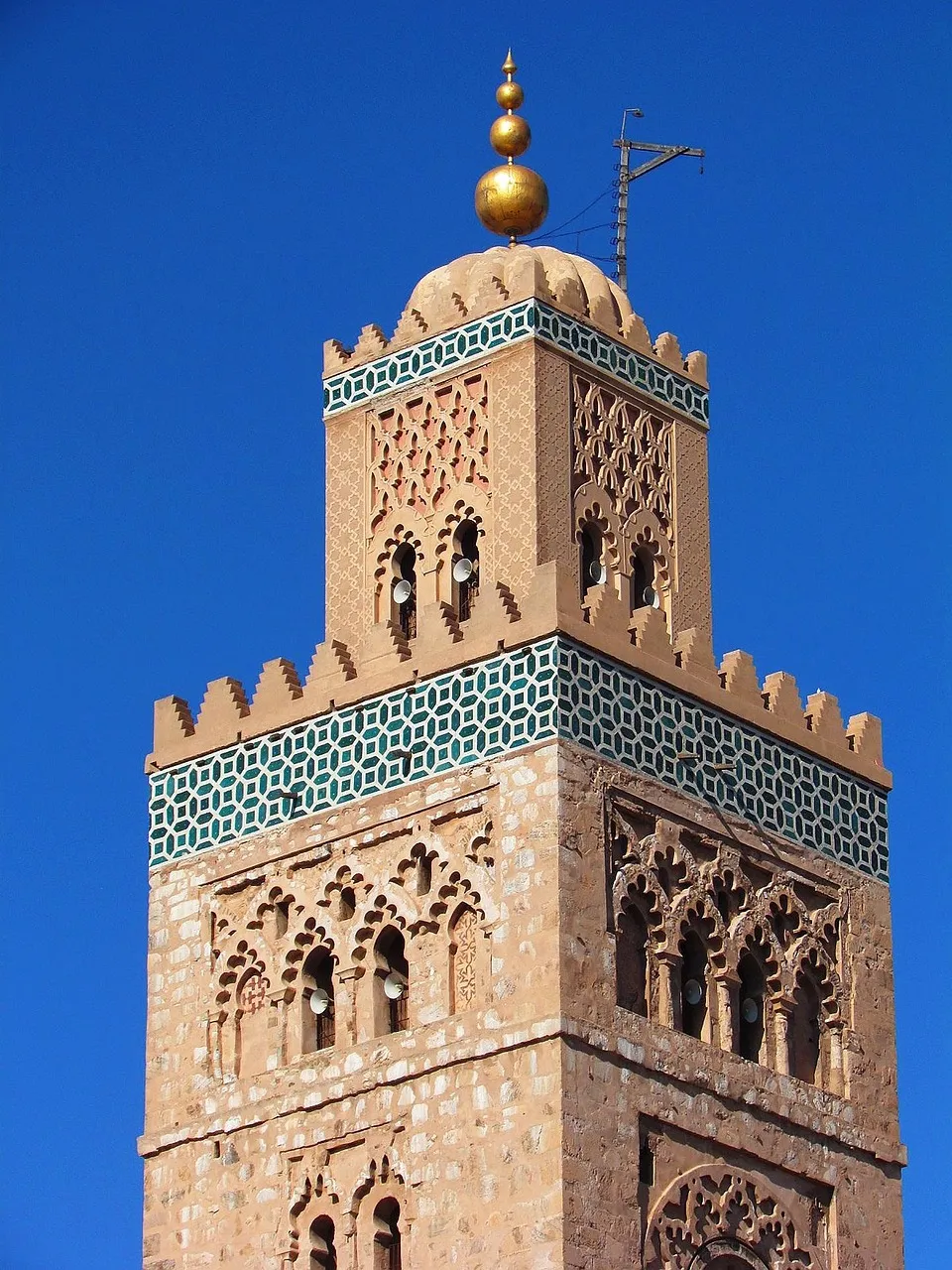
Marrakech
Morocco
City Overview
Marrakech: A vibrant labyrinth of souks, palaces, and desert-edge energy where ancient tradition collides with modern pulse.
Access:
- By air – Menara Airport (RAK), 6 km southwest of the city, with direct flights from Europe, Africa, and the Middle East.
- By land – Major bus/coach routes (CTM, Supratours) from Casablanca (3h), Agadir (3h), and Fez (6h); trains (ONCF) from Casablanca (3h) and Rabat (4h).
Districts:
- Medina – Walled historic core (UNESCO), packed with souks, riads, Jemaa el-Fnaa square, and landmarks like the Koutoubia Mosque and Bahia Palace.
- Guéliz (Ville Nouvelle) – Modern grid-planned district with high-end hotels, cafés, boutiques (e.g., Avenue Mohammed V), and nightlife.
- Hivernage – Upscale, leafy quarter adjacent to Guéliz, hosting luxury resorts, casinos, and the Palais des Congrès convention center.
Quick Booking
Weather Forecast
41 °C
Practical Information
Emergency Contact Numbers
Police : 19
Fire : 15
Ambulance : 15
Currency & Conversion

—
Electrical Plugs
Voltage : Not available
Plug Type : C,F
Culture & Etiquette
Cultural Summary of Marrakech
Historical Identity
Marrakech is a historic imperial city in Morocco. Founded in 1062 by the Almoravid dynasty, it became a key political, economic, and cultural hub.
The city flourished under successive Berber and Arab dynasties. Its medina, a UNESCO World Heritage site, preserves centuries of Islamic and North African heritage.
Marrakech blends Berber traditions with Arab, Andalusian, and French influences. It remains a vibrant center of art, architecture, and Moroccan identity.
Three Major Cultural Sites or Museums
Jemaa el-Fnaa
- The heart of Marrakech’s medina.
- A bustling square with street performers, food stalls, and storytellers.
- A living showcase of Moroccan oral and performance traditions.
Bahia Palace
- A 19th-century palace built for a grand vizier.
- Features intricate Islamic architecture, zellige tilework, and lush gardens.
- Reflects the opulence of Morocco’s ruling elite.
Dar Si Said Museum (Museum of Moroccan Arts)
- Housed in a former palace.
- Displays traditional Moroccan crafts, including carpets, jewelry, and woodwork.
- Highlights the region’s artisanal heritage.
Iconic Local Gastronomy
- Tagine – Slow-cooked stew with meat, vegetables, and spices.
- Couscous – Steamed semolina served with meat and vegetables.
- Pastilla – Sweet and savory pigeon or chicken pie with almonds and cinnamon.
- Harira – A hearty lentil and chickpea soup, often eaten during Ramadan.
- Fresh orange juice – A staple in Jemaa el-Fnaa’s food stalls.
- Mint tea – A symbol of Moroccan hospitality, often served with sugar.