
 Back
Back 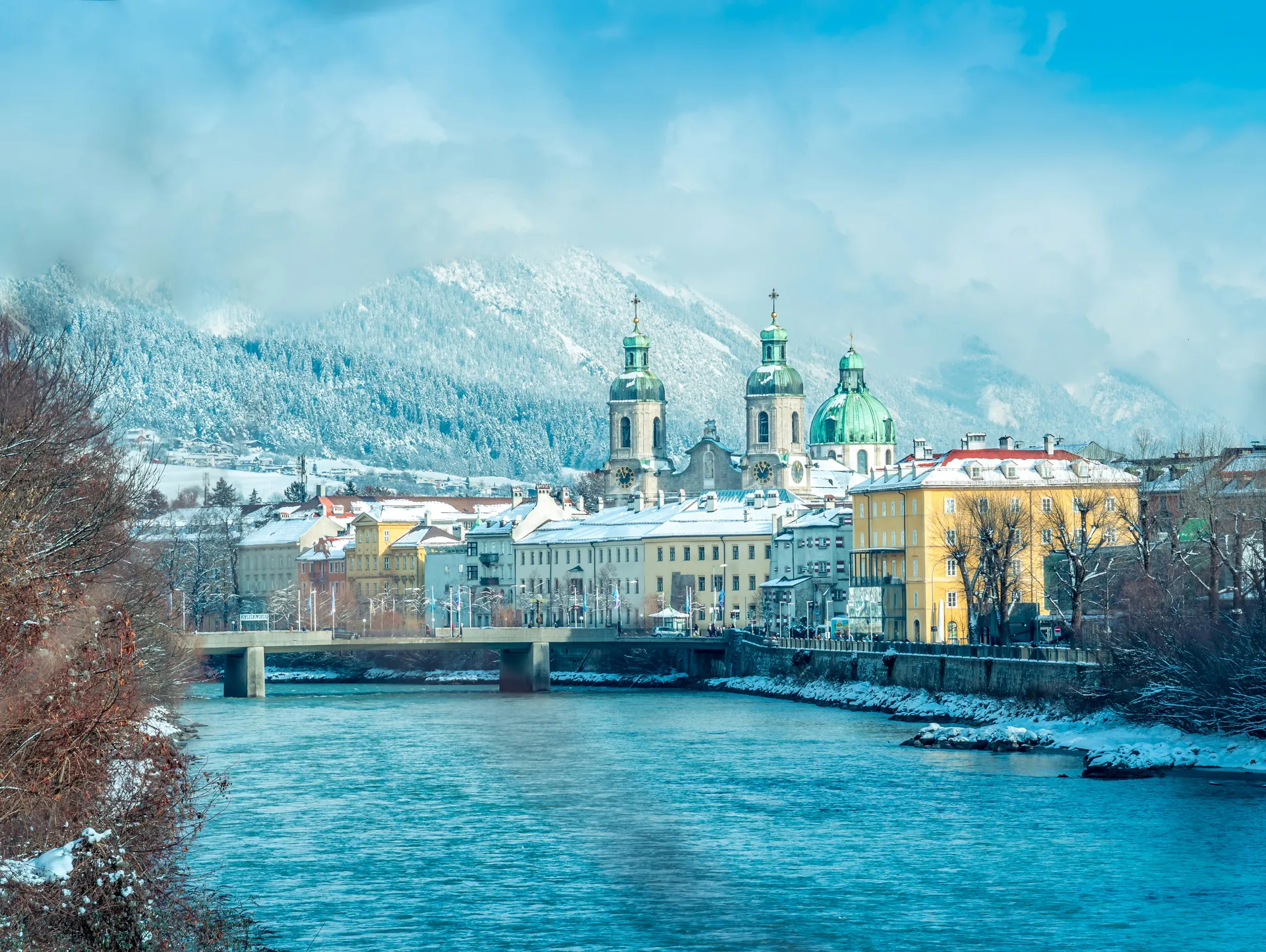
Innsbruck
Austria
City Overview
Innsbruck: The Alpine capital where imperial grandeur meets adrenaline-fueled mountain thrills.
Access:
- By air: Innsbruck Airport (INN) – direct flights from European hubs (e.g., Frankfurt, London, Vienna) and seasonal ski charters.
- By rail: Innsbruck Hauptbahnhof (main station) – high-speed connections to Munich (2h), Vienna (4.5h), and Zurich (3.5h), plus regional trains to Austrian/South Tyrol destinations.
Districts:
- Altstadt (Old Town) – Baroque architecture, Golden Roof, Hofburg Palace, and pedestrianized shopping streets (Herzog-Friedrich-Straße).
- Mariahilf-St. Nikolaus – Residential hub with the Nordkette cable car base (Hungerburgbahn), modern infrastructure, and proximity to the Inn River.
- Wilten – Historic quarter with Wilten Basilica, Bergisel Ski Jump (Olympic legacy), and the Tirol Panorama Museum.
Quick Booking
Weather Forecast
20 °C
Practical Information
Emergency Contact Numbers
Police : 112 or 133
Fire : 122
Ambulance : 144
Currency & Conversion

0.88 EUR
Electrical Plugs
Voltage : Not available
Plug Type : C,F
Culture & Etiquette
Cultural Summary of Innsbruck, Austria
Historical Identity
Innsbruck is a city shaped by its Alpine setting and imperial past.
It served as the capital of Tyrol and a key political center under the Habsburgs. The city’s strategic location along trade routes between Italy and Germany made it a hub of commerce and culture.
Its Renaissance and Baroque architecture reflect its golden age as a residence for emperors like Maximilian I. Today, Innsbruck blends historic charm with a lively student-driven energy.
Three Major Cultural Sites or Museums
Hofburg (Imperial Palace)
- Former Habsburg residence.
- Features opulent state rooms, a chapel, and the Giants’ Hall.
- Houses a museum on Tyrolean history.
Golden Roof (Goldenes Dachl)
- Iconic landmark with 2,657 gilded copper tiles.
- Built by Emperor Maximilian I as a royal box.
- Symbol of Innsbruck’s imperial heritage.
Tyrolean State Museum (Ferdinandeum)
- Covers Tyrol’s art, history, and culture.
- Exhibits range from prehistoric artifacts to modern art.
- Includes works by local artists like Albin Egger-Lienz.
Iconic Local Gastronomy
Tyrolean Gröstl
- A hearty dish of potatoes, meat (often beef or pork), and onions.
- Topped with a fried egg.
Kaiserschmarrn
- Fluffy shredded pancake with raisins.
- Served with powdered sugar and fruit compote.
Speckknödel
- Dumplings made with bread, speck (smoked bacon), and herbs.
- Often served in broth or with sauerkraut.
Local Beverages
- Tyrolean wine (from nearby valleys).
- Schnapps (fruit brandy, often homemade).