
 Back
Back 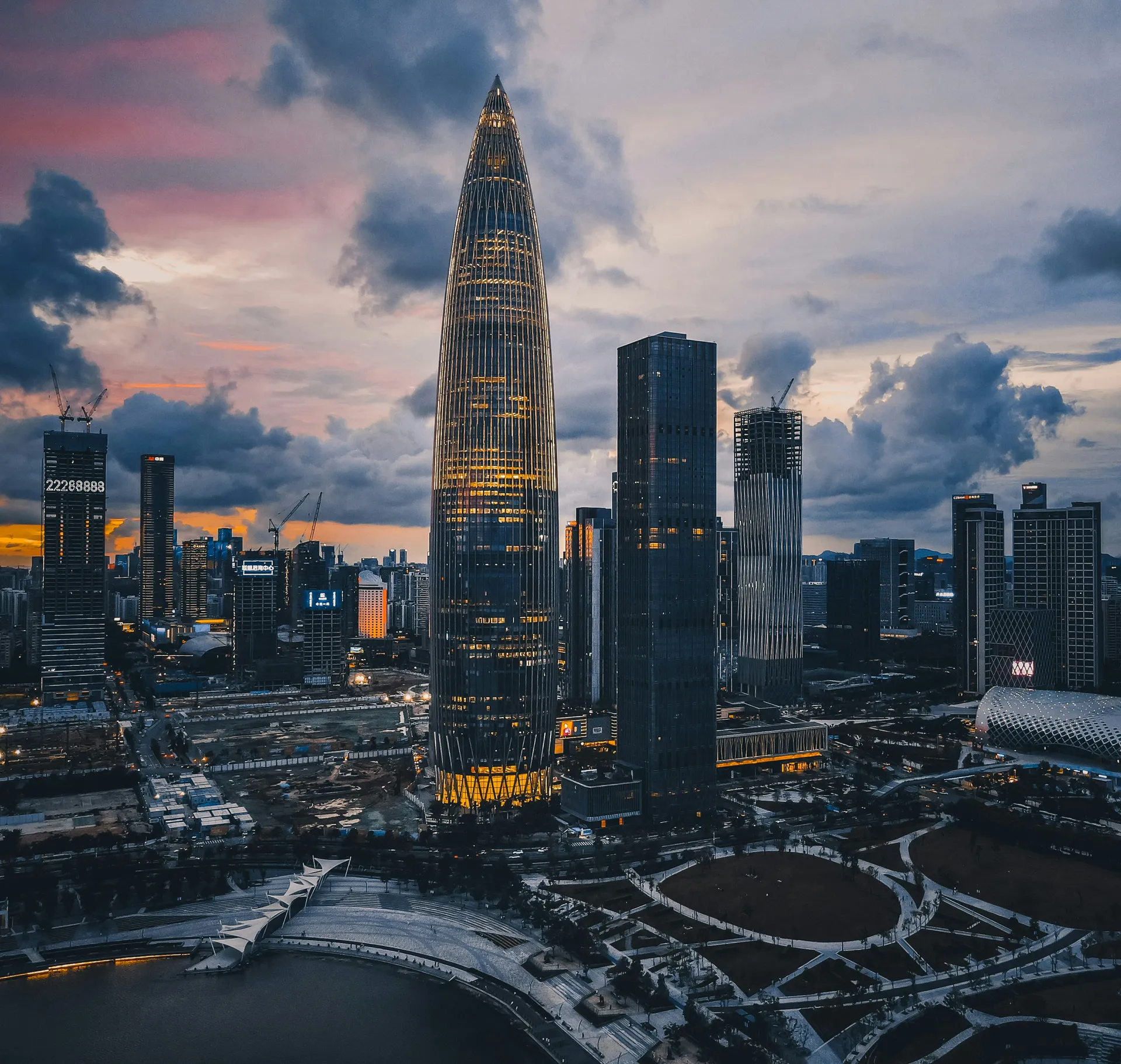
Shenzhen
China
City Overview
Shenzhen: China’s hyper-modern tech and trade powerhouse, where skyscrapers meet border crossings in a frenetic urban lab.
Access:
- By air: Shenzhen Bao’an International Airport (SZX), 32 km northwest of downtown, with metro (Line 11) and taxi connections.
- By land: Direct border crossings from Hong Kong (e.g., Luohu, Futian, Huanggang) via train, bus, or foot—key for regional transit.
Main Zones/Districts:
- Futian: Financial and administrative core (SEZ headquarters, Civic Center, shopping hubs like COCO Park).
- Nanshan: Tech and education epicenter (Huawei, Tencent, Shenzhen University, Shekou port).
- Luohu: Old commercial heart (border crossing to Hong Kong, Dongmen shopping district, low-end markets).
Quick Booking
Weather Forecast
Practical Information
Emergency Contact Numbers
Currency & Conversion

Electrical Plugs
Culture & Etiquette
Cultural Summary of Shenzhen
Historical Identity
Shenzhen was a small fishing village until 1979, when it became China’s first Special Economic Zone (SEZ). Its rapid transformation into a global metropolis symbolizes China’s economic reforms and modernization. The city blends traditional Cantonese culture with futuristic innovation, attracting migrants from across China and the world. While young and fast-paced, Shenzhen retains ties to its Hakka and Teochew heritage, visible in local customs and architecture.
Three Major Cultural Sites or Museums
Shenzhen Museum
- Covers the city’s history, from ancient times to its SEZ development.
- Features exhibits on Hakka culture, maritime trade, and urban growth.
- Located in Futian District, near Civic Center.
Dafen Oil Painting Village
- A hub for art reproduction, where thousands of artists create copies of famous works.
- Offers workshops and galleries showcasing contemporary Chinese art.
- Known for its vibrant, creative atmosphere.
Splendid China Folk Culture Village
- A theme park showcasing miniature replicas of China’s landmarks.
- Includes ethnic minority performances, traditional crafts, and folk customs.
- Highlights diverse Chinese cultural heritage in one location.
Iconic Local Gastronomy
Shenzhen-style Seafood
- Fresh seafood is a staple, often steamed or stir-fried with Cantonese flavors.
- Popular dishes: steamed fish with ginger and scallions, salt-and-pepper shrimp.
Teochew Cuisine
- Influenced by eastern Guangdong’s Teochew community.
- Features light, delicate flavors—try Teochew porridge (congee) or braised goose.
Hakka Dishes
- Hearty, rustic flavors from the Hakka ethnic group.
- Must-try: stuffed tofu (niangao), salt-baked chicken, and preserved vegetable stews.
Street Food & Night Markets
- Dongmen Pedestrian Street and Huaqiangbei offer snacks like rice noodle rolls, grilled skewers, and sweet soups.