
 Back
Back 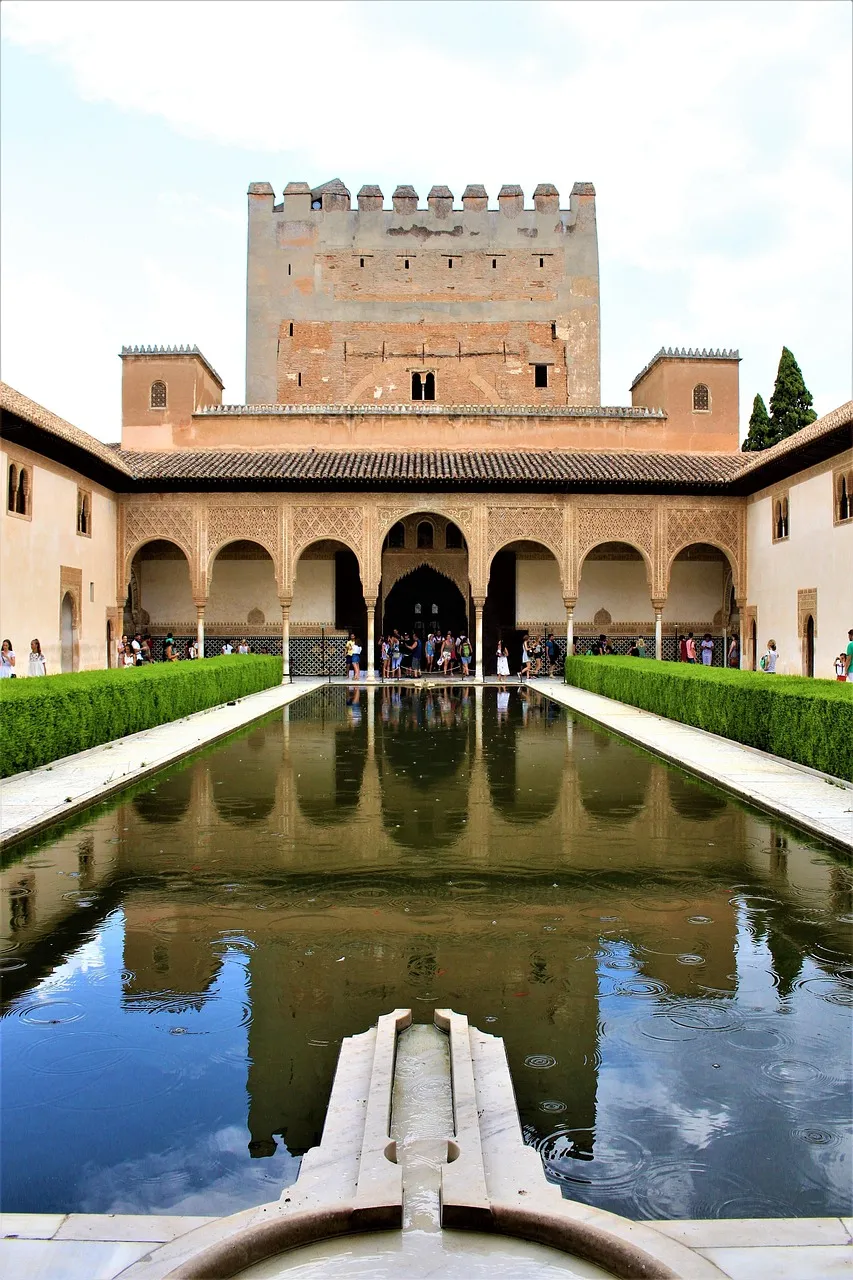
Granada
Spain
City Overview
Granada: A Moorish jewel where history, culture, and Sierra Nevada’s peaks collide in southern Spain’s most atmospheric city.
How to get there:
- By air: Fly into Federico García Lorca Granada-Jaén Airport (GRX), 17 km west of the city, with limited domestic/international connections (mainly Madrid, Barcelona, Paris, London).
- By land: Take a high-speed train (AVE) from Madrid (3.5 hrs) or Seville (3 hrs) to Granada’s train station (Estación de Granada), or use long-distance buses (ALSA) from major Spanish cities (e.g., Madrid: 4.5 hrs, Málaga: 1.5 hrs).
Three main zones/districts:
- Albaicín: The labyrinthine Moorish quarter of whitewashed houses, narrow alleys, and Mirador de San Nicolás (iconic Alhambra views); home to hammams (Arab baths), flamenco caves, and historic carmenes (villas).
- Centro (Downtown): The commercial heart around Plaza Nueva and Calle Reyes Católicos, packed with tapas bars, shops, and landmarks like the Cathedral and Royal Chapel (Capilla Real); gateway to the Alcaicería (former Moorish silk market).
- Realejo: Granada’s former Jewish quarter, now a bohemian hub with street art, Casa-Museo de Max Moreau, and Campo del Príncipe square; merges into the Sacromonte area (cave dwellings, flamenco shows).
Quick Booking
Weather Forecast
Practical Information
Emergency Contact Numbers
Currency & Conversion

Electrical Plugs
Culture & Etiquette
Cultural Summary of Granada, Spain
Historical Identity
Granada is a city shaped by centuries of layered history.
It was a key Moorish stronghold during Al-Andalus (711–1492), serving as the last Muslim-ruled kingdom in Iberia. The Catholic Monarchs, Ferdinand and Isabella, conquered it in 1492, marking the end of Islamic rule in Spain.
This dual heritage—Arabic and Christian—defines Granada’s architecture, traditions, and identity. The city remains a symbol of cultural fusion, where flamenco, tapas, and historic monuments reflect its diverse past.
Three Major Cultural Sites or Museums
The Alhambra & Generalife
- A UNESCO World Heritage Site.
- The pinnacle of Nasrid architecture, blending Islamic art, gardens, and palaces.
- The Generalife offers stunning Moorish-style gardens with fountains and terraces.
Albaicín Quarter
- A historic Moorish neighborhood with narrow streets and whitewashed houses.
- Features traditional cármenes (walled gardens) and Arab baths (hammams).
- Offers panoramic views of the Alhambra from Mirador de San Nicolás.
Cathedral of Granada & Royal Chapel
- A Renaissance-style cathedral built on the site of a former mosque.
- The Royal Chapel houses the tombs of Ferdinand and Isabella.
- Combines Gothic and Baroque elements in its design.
Iconic Local Gastronomy
Tapas Culture
- Granada is famous for free tapas with drinks.
- Popular bars serve dishes like tortilla del Sacromonte (offal omelet) and habas con jamón (broad beans with ham).
Piononos
- A sweet pastry from Santa Fe, made with syrup-soaked sponge cake and cream.
Plato Alpujarreño
- A hearty dish from the Alpujarras region.
- Includes eggs, morcilla (blood sausage), ham, and potatoes.
Arab-Inspired Sweets
- Pestiños (honey-drizzled pastries) and alfajores (spiced cookies) reflect Moorish influence.