
 Back
Back 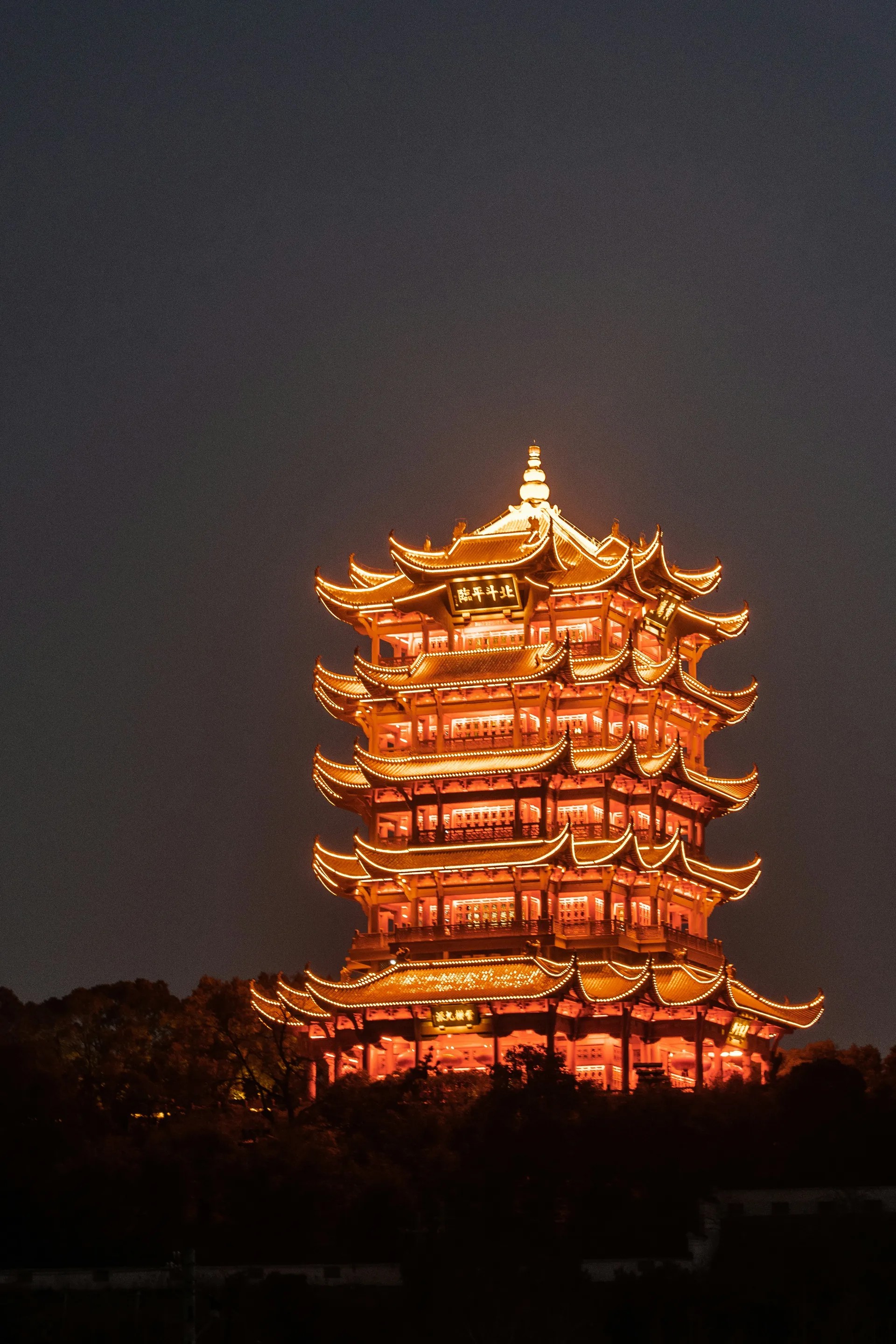
Wuhan
China
City Overview
Wuhan: China’s "River City" where Yangtze’s pulse meets industrial grit and historic charm.
Access:
- Air: Wuhan Tianhe International Airport (WUH) – major hub with domestic/international flights (e.g., Tokyo, Paris, Sydney).
- Rail: High-speed trains (e.g., Beijing–Guangzhou line) connect Wuhan to Shanghai (4h), Beijing (4.5h), and Guangzhou (3h).
Three Core Zones:
- Hankou – Commercial heart; skyscrapers, shopping (e.g., Jianghan Road), and colonial-era concessions (British, French, Russian).
- Wuchang – Cultural/educational hub; Yellow Crane Tower, East Lake, and Wuhan University’s cherry blossoms.
- Hanyang – Industrial/residential mix; Guiyuan Temple, Tortoise Mountain TV Tower, and quieter local vibes.
Quick Booking
Weather Forecast
Practical Information
Emergency Contact Numbers
Currency & Conversion

Electrical Plugs
Culture & Etiquette
Cultural Summary of Wuhan
Historical Identity
Wuhan is a city shaped by its strategic location at the confluence of the Yangtze and Han rivers.
It was formed in 1927 by merging three historic towns: Hankou (a bustling commercial port), Hanyang (an industrial hub), and Wuchang (the cultural and political center).
The city played a key role in modern Chinese history, including the 1911 Wuchang Uprising, which sparked the Xinhai Revolution and the fall of the Qing Dynasty.
Today, Wuhan blends its revolutionary past with rapid urban development, retaining pockets of traditional Hubei culture.
Three Major Cultural Sites or Museums
Yellow Crane Tower (黄鹤楼, Huánghè Lóu)
- One of China’s "Four Great Towers."
- A reconstructed 1980s version of a 3rd-century landmark.
- Offers panoramic views of the Yangtze River.
- Steeped in Tang Dynasty poetry and folklore.
Hubei Provincial Museum (湖北省博物馆)
- Houses artifacts from the Zenghouyi Tomb, including the famous bianzhong (bronze chime bells).
- Showcases regional history from the Chu Kingdom to modern times.
- Features live performances of ancient music using replica instruments.
Guiyuan Buddhist Temple (归元寺)
- A 300-year-old temple with 500 arhat statues, each with unique expressions.
- A serene escape in the city, blending Chinese and Tibetan Buddhist influences.
- Known for its vegetarian cuisine and annual temple fairs.
Iconic Local Gastronomy
Hot Dry Noodles (热干面, Règānmiàn)
- Wuhan’s most famous street food.
- Chewy noodles tossed with sesame paste, chili oil, and pickled vegetables.
- Best eaten for breakfast.
Duck’s Neck (鸭脖, Yābó)
- Spicy, braised duck necks, a popular snack.
- Sold in markets and convenience stores across the city.
Doupi (豆皮)
- A crispy, savory pancake made from rice, eggs, and beans.
- Often stuffed with mushrooms, pork, or vegetables.
- A traditional breakfast dish.
Mianwo (面窝)
- Deep-fried rice flour cakes with a crispy exterior.
- Served with sweet or savory toppings.
Soup Dumplings (汤包, Tāngbāo)
- Steamed buns filled with pork and hot broth.
- A specialty of Lao Tong Cheng restaurant.