
 Back
Back 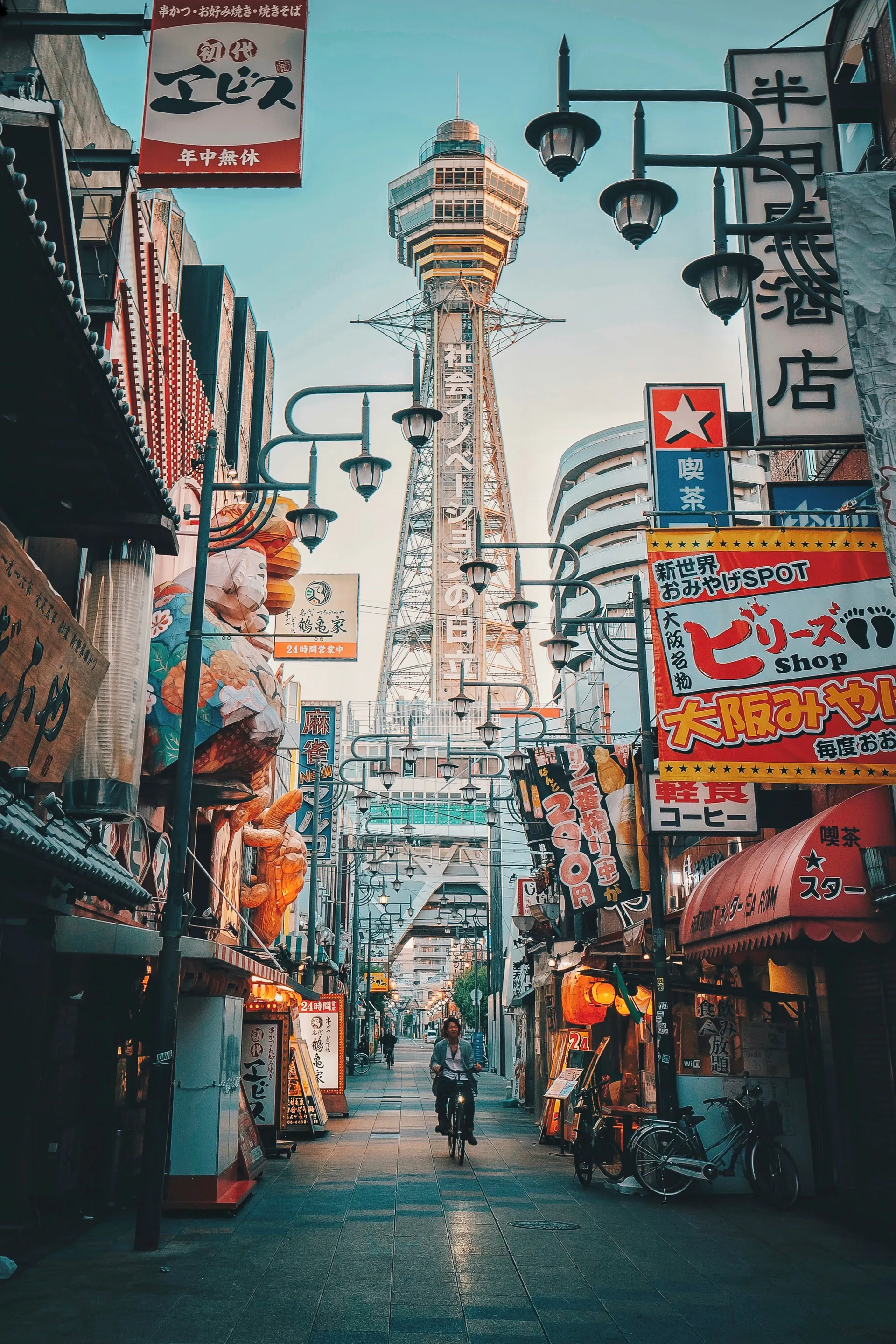
Osaka
Japan
City Overview
Osaka: Japan’s vibrant commercial hub where neon-lit streets collide with centuries-old tradition.
Access
- By air: Kansai International Airport (KIX) – 50km southwest, connected by train (Haruka Express, Nankai Rapi:t) or bus (1hr).
- By rail: Shin-Osaka Station – Shinkansen (bullet train) hub, 2.5hrs from Tokyo, 1hr from Kyoto.
Districts
- Kita (Umeda) – Business and transport core; skyscrapers, shopping (Grand Front Osaka), and nightlife (Doyamacho).
- Minami (Namba/Dotonbori) – Entertainment epicenter; neon signs, street food (takoyaki, okonomiyaki), and nightlife (Amerikamura, Shinsaibashi).
- Osaka Castle Area – Historic zone; Osaka Castle (landmark), parks (Osaka Castle Park), and museums (Osaka Museum of History).
Quick Booking
Weather Forecast
Practical Information
Emergency Contact Numbers
Currency & Conversion

Electrical Plugs
Culture & Etiquette
Cultural Summary of Osaka
Historical Identity
Osaka is Japan’s merchant capital—a city shaped by trade, resilience, and a rebellious spirit.
Once the nation’s economic heart during the Edo period, it thrived as a hub for commerce and industry. Its people, the Osakans, are known for their sharp wit, direct humor, and pride in local identity. The city’s history is marked by war (like the Siege of Osaka in 1615) and reconstruction, fostering a culture that values pragmatism and celebration. Today, it balances tradition with modern energy, embodying Japan’s "kitchen" (tenka no daidokoro)—a place where food, business, and culture intertwine.
Three Major Cultural Sites & Museums
Osaka Castle
- A symbol of the city’s feudal past.
- Built in 1583 by Toyotomi Hideyoshi, a unifier of Japan.
- The castle park is a cherry-blossom hotspot in spring.
- The museum inside showcases samurai armor, weapons, and historical artifacts.
Shitenno-ji Temple
- One of Japan’s oldest Buddhist temples, founded in 593.
- Features a five-story pagoda and serene gardens.
- A center for cultural events, including traditional tea ceremonies.
National Museum of Art, Osaka (NMAO)
- Focuses on post-1945 modern and contemporary art.
- Houses works by Japanese and international artists.
- Located in a striking underground building near Nakanoshima Park.
Iconic Local Gastronomy
Takoyaki
- Ball-shaped snacks filled with diced octopus, tempura scraps, and green onion.
- Crispy outside, molten inside. Served with savory-sweet sauce, mayo, and bonito flakes.
Okonomiyaki
- A savory pancake with cabbage, meat, seafood, and batter.
- Cooked on a griddle and topped with sauce, mayo, and dried fish flakes.
- Often called "Osaka-style" (mixed ingredients) vs. Hiroshima-style (layered).
Kushikatsu
- Deep-fried skewers of meat, seafood, or vegetables.
- Served with a tangy dipping sauce. Never double-dip—a local taboo!
Kitsune Udon
- Thick udon noodles in a light broth, topped with sweet fried tofu (aburaage).
- A comfort food with roots in Osaka’s working-class culture.
Osaka Sushi (Battera)
- Pressed sushi with vinegared rice and mackerel or sardines.
- Less formal than Tokyo’s nigiri, reflecting Osaka’s practical, flavor-first approach.
Source: Wikitravel – Osaka