
 Back
Back 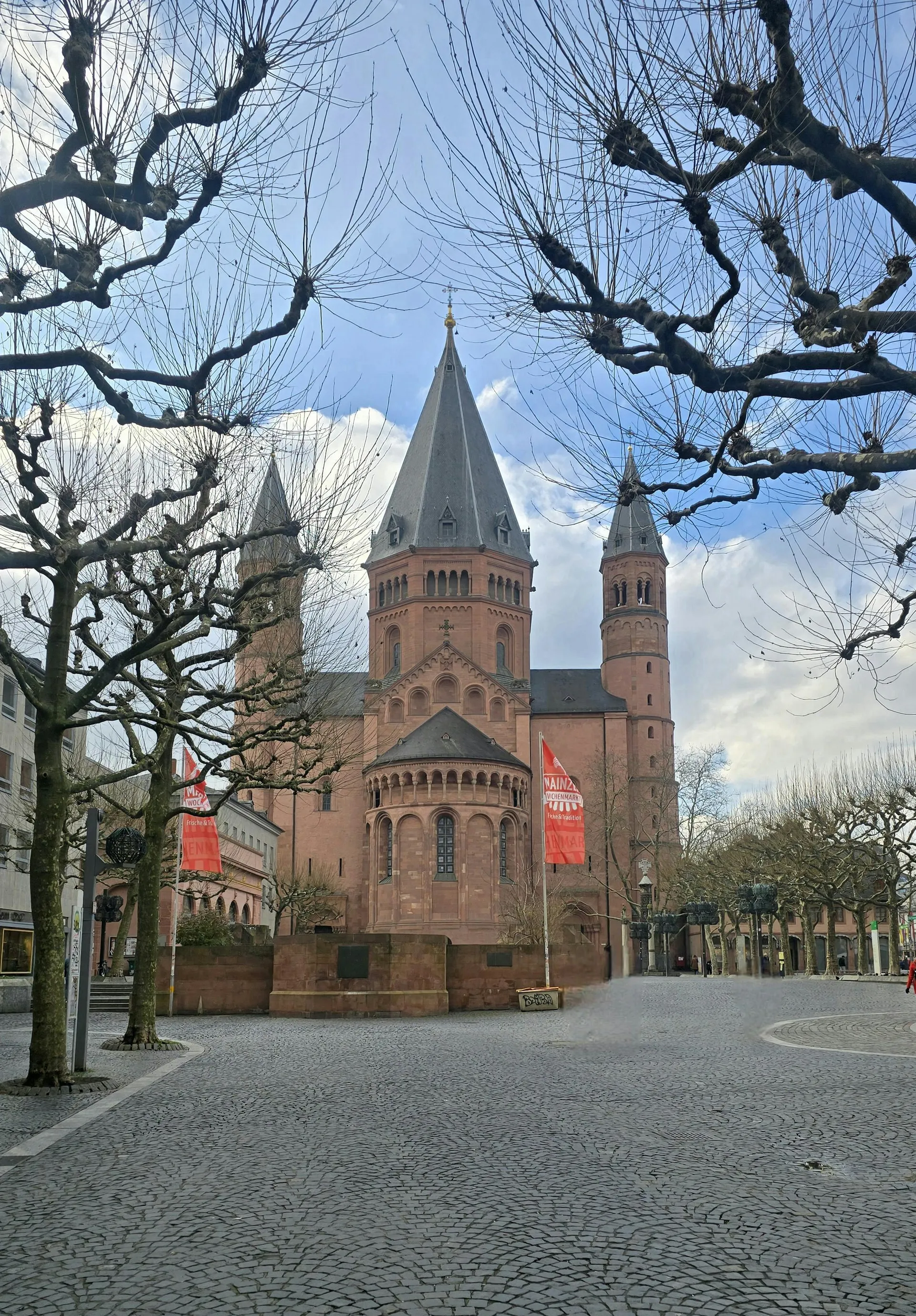
Mainz
Germany
City Overview
Mainz in a Nutshell: "Germany’s historic Rhine River hub, where Roman roots meet modern wine culture and Gutenberg’s legacy prints its mark."
How to Get There:
- By Air: Frankfurt Airport (FRA) – 25 km northeast, with direct train (S8) or bus (AirLiner) connections (20–30 mins).
- By Rail: Mainz Hauptbahnhof (main station) – ICE/IC trains link to Frankfurt (15 mins), Cologne (1.5 hrs), and Paris (3.5 hrs).
Three Key Zones/Districts:
- Altstadt (Old Town): Core of medieval Mainz; home to the Dom (Cathedral), Gutenberg Museum, and Marktplatz (market square) with half-timbered houses.
- Neustadt (New Town): 19th-century expansion north of the Altstadt; features Schillerplatz, State Theater, and Rheinpromenade (Rhine riverside walk).
- Oberstadt (Upper Town): Residential/academic area with Johannes Gutenberg University, Botanical Garden, and Zitadelle Mainz (17th-century fortress).
Quick Booking
Weather Forecast
Practical Information
Emergency Contact Numbers
Currency & Conversion

Electrical Plugs
Culture & Etiquette
Cultural Summary of Mainz, Germany
Historical Identity
Mainz is a city with deep Roman roots, founded as Mogontiacum in 13/12 BC. It flourished as a key Roman military and trade hub along the Rhine.
Later, it became a center of the Holy Roman Empire. The city played a pivotal role in the spread of printing—Johannes Gutenberg invented the movable-type printing press here in the 15th century.
Mainz has also been shaped by its Catholic heritage, serving as an archbishopric and a cultural crossroads between Germany and France.
Three Major Cultural Sites & Museums
Gutenberg Museum
- Dedicated to Johannes Gutenberg and the history of printing.
- Houses two original Gutenberg Bibles.
- Features interactive exhibits on bookmaking and typography.
Mainz Cathedral (St. Martin’s Cathedral)
- Over 1,000 years old, blending Romanesque and Gothic styles.
- A symbol of the city’s religious and political history.
- Contains impressive tombs of archbishops and medieval art.
State Museum (Landesmuseum Mainz)
- Covers Mainz’s history from Roman times to the present.
- Displays Roman artifacts, medieval treasures, and modern art.
- Includes a reconstructed Roman ship and a collection of Baroque paintings.
Iconic Local Gastronomy
Spundekäs
- A creamy, spreadable cheese dip made with quark, butter, and spices.
- Traditionally served with pretzels or bread.
Mainzer Handkäs mit Musik
- Sour milk cheese marinated in oil, vinegar, and onions.
- The name ("with music") refers to its digestive effects.
Weck, Worscht un Woi
- A classic Mainz snack: a bread roll (Weck), sausage (Worscht), and local wine (Woi).
- Often enjoyed at festivals or in wine taverns.
Riesling Wine
- Mainz is in the heart of the Rheinhessen wine region.
- Known for its crisp, aromatic white wines, especially Riesling.