
 Back
Back 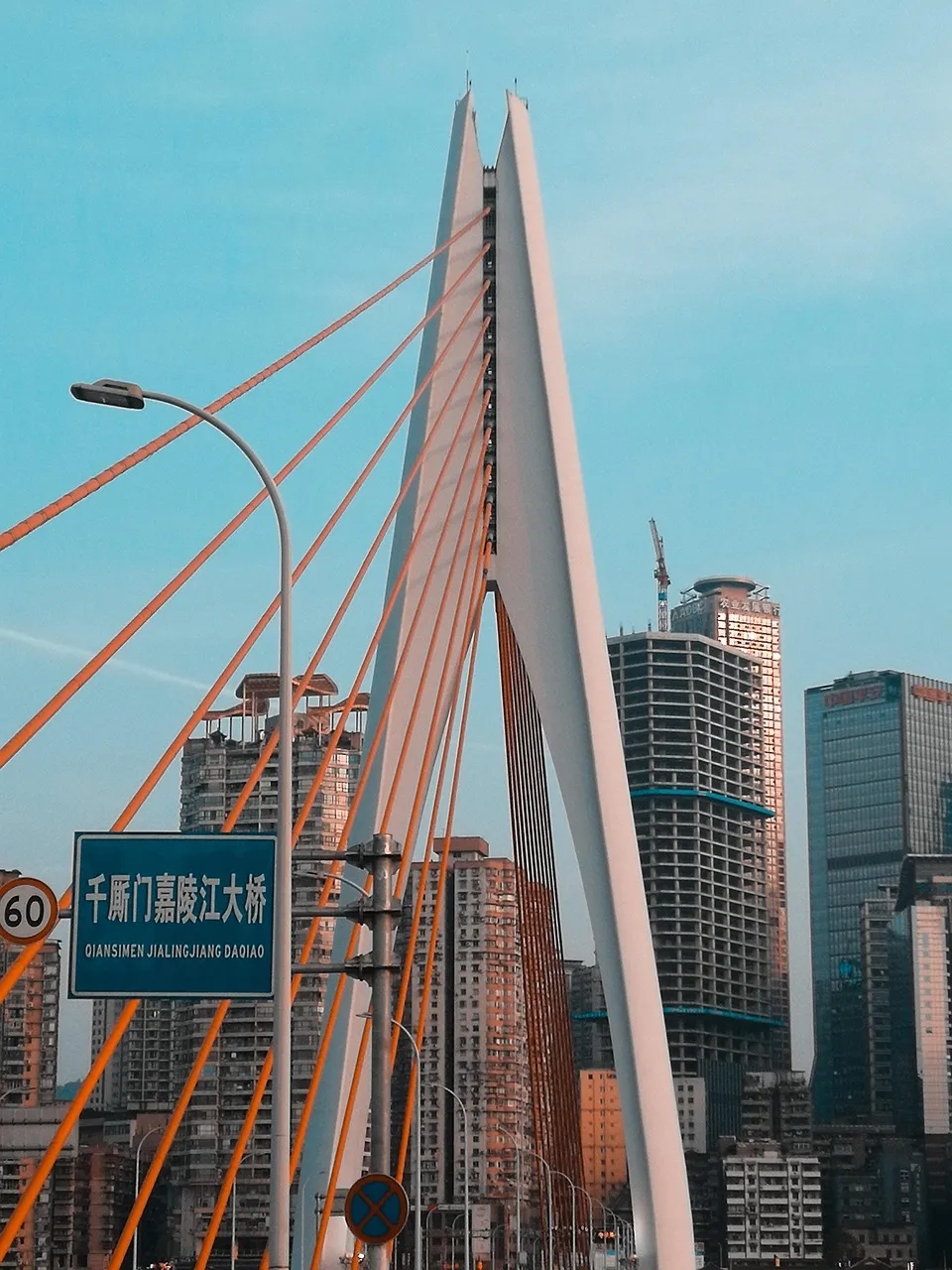
Chongqing
China
City Overview
Chongqing: China’s sprawling mountain metropolis where fog-shrouded skyscrapers meet the mighty Yangtze and Jialing rivers.
Access:
- Air: Chongqing Jiangbei International Airport (CKG) – major hub with domestic/international flights.
- Rail: High-speed trains (e.g., from Chengdu in 1.5 hrs, Beijing in 6 hrs) and conventional rail links.
Key Zones/Districts:
- Yuzhong District – Downtown core with skyscrapers (e.g., Raffles City), shopping (Jiefangbei), and nightlife; dense, hilly terrain.
- Nanan District – Cultural/entertainment hub (Hongya Cave, Nanbin Road), riverside promenades, and cable car views.
- Jiangbei District – Business/transport hub (airport, North Railway Station), modern developments (e.g., Guanyinqiao), and expat-friendly areas.
Quick Booking
Weather Forecast
Practical Information
Emergency Contact Numbers
Currency & Conversion

Electrical Plugs
Culture & Etiquette
Cultural Summary of Chongqing
Historical Identity
Chongqing is one of China’s oldest cities, with a history spanning over 3,000 years. It served as the temporary capital of China during World War II, hosting the Nationalist government under Chiang Kai-shek. The city’s strategic location along the Yangtze River made it a key military and economic hub.
Its identity blends ancient traditions with modern industrial growth. Chongqing’s resilience is reflected in its wartime legacy, spicy cuisine, and mountainous terrain, shaping a unique cultural character.
Three Major Cultural Sites & Museums
Hongya Cave (洪崖洞)
- A reconstructed stilt-house complex along the Yangtze River.
- Showcases Bashu (Sichuan) folk architecture.
- Features traditional teahouses, shops, and nighttime illuminations.
Three Gorges Museum (重庆中国三峡博物馆)
- Focuses on the history, culture, and ecology of the Yangtze River.
- Exhibits include ancient Ba-Yu artifacts, wartime relics, and Three Gorges dam models.
- Offers panoramic city views from its rooftop.
Ciqi Kou Ancient Town (磁器口古镇)
- A preserved Ming and Qing Dynasty town.
- Known for traditional Sichuan opera, handicrafts, and street food.
- Retains cobblestone streets and wooden houses from its past as a porcelain trade hub.
Iconic Local Gastronomy
Hot Pot (火锅)
- Chongqing’s signature dish, famous for its fiery, numbing spice (from Sichuan peppercorns and chili).
- Served with meat, vegetables, and tofu in a split pot (spicy/non-spicy).
- Often enjoyed late at night in local eateries.
Xiaomian (小面) – Spicy Noodles
- A street-food staple—thin noodles in chili oil broth.
- Topped with peanuts, scallions, and pickled vegetables.
Jiangtuan Fish (江团鱼)
- A Yangtze River delicacy—tender, boneless fish in spicy or sweet-sour sauce.
- Traditionally steamed or braised.
Lao Tan Pickled Mustard Greens (老坛酸菜)
- A fermented side dish used in soups and hot pot.
- Adds a tangy, crunchy contrast to rich flavors.