
 Back
Back 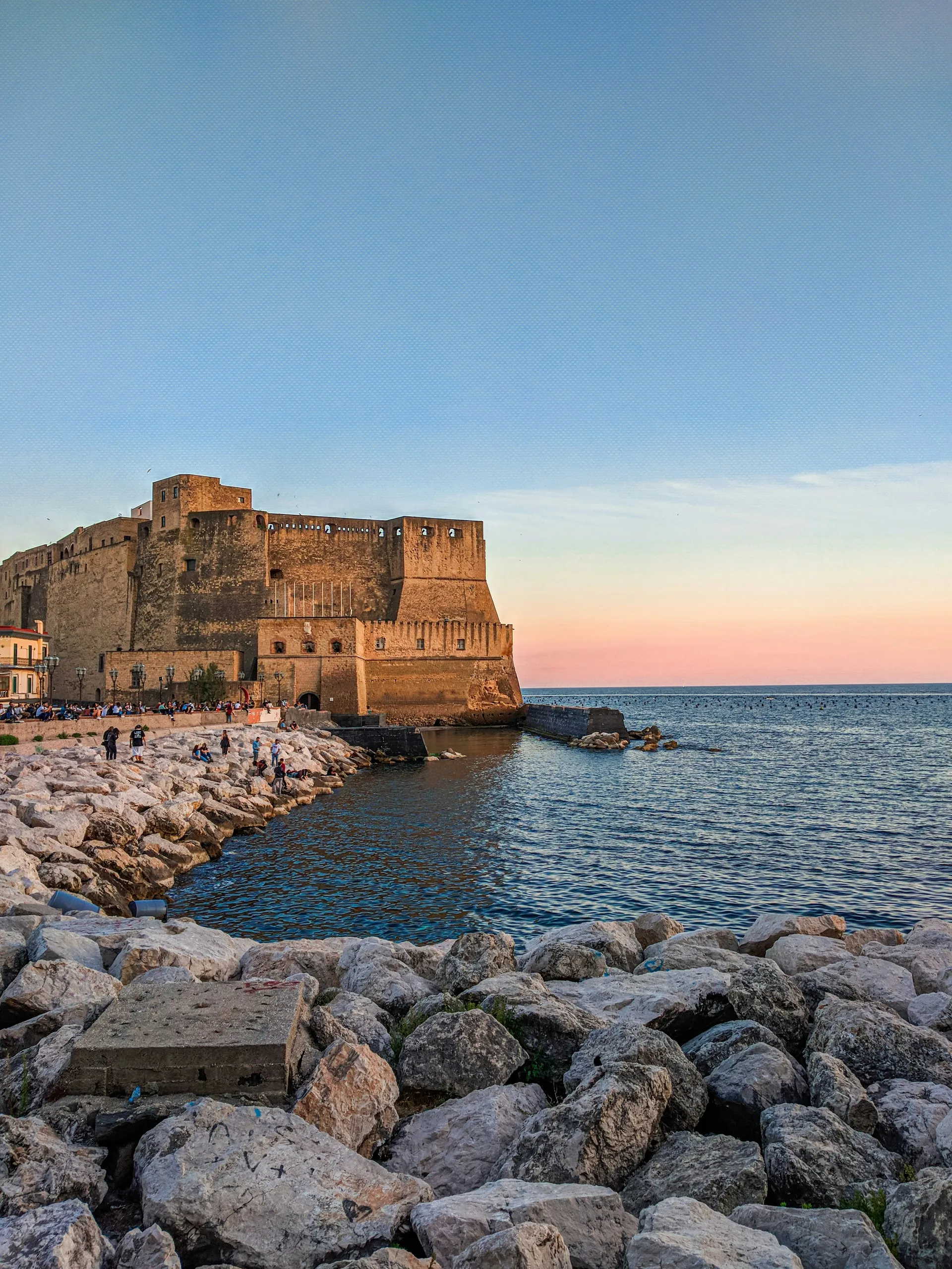
Naples
Italy
City Overview
Naples: Italy’s raw, chaotic heart—where history, pizza, and volcanic drama collide in a city that refuses to be tamed.
How to Access Naples
- By Air: Naples International Airport (Capodichino, NAP) – 7 km northeast of the city, with direct flights to major European hubs and budget carriers.
- By Train: Napoli Centrale (Piazza Garibaldi) – high-speed (Frecciarossa/Italo) and regional trains connect to Rome (1h10m), Milan (4h30m), and other Italian cities.
Three Main Zones/Districts
- Historic Center (Centro Storico) – UNESCO-listed labyrinth of narrow alleys, Baroque churches (Gesù Nuovo, San Gregorio Armeno), and the birthplace of pizza (L’Antica Pizzeria da Michele, Sorbillo).
- Waterfront & Chiaia – Upscale area with the Castel dell’Ovo, luxury shopping (Via dei Mille, Via Filangieri), and panoramic views from the Villa Comunale park.
- Vomero – Hilltop district with the Castel Sant’Elmo fortress, the Certosa di San Martino monastery, and cable car (Funicolare) access; quieter but with steep climbs.
Quick Booking
Weather Forecast
Practical Information
Emergency Contact Numbers
Currency & Conversion

Electrical Plugs
Culture & Etiquette
Cultural Summary of Naples
Historical Identity
Naples is one of Italy’s oldest continuously inhabited cities. Founded by the Greeks in the 8th century BC, it later became a key Roman city.
Its layered history includes Byzantine, Norman, Spanish, and Bourbon influences. This blend shaped Naples’ unique identity—vibrant, chaotic, and deeply traditional.
The city was once the capital of the Kingdom of Naples. It remains a cultural hub of southern Italy, known for its art, music, and folklore.
Three Major Cultural Sites or Museums
National Archaeological Museum
- Houses one of the world’s finest collections of Greco-Roman artifacts.
- Includes mosaics, sculptures, and frescoes from Pompeii and Herculaneum.
Naples Cathedral (Duomo di San Gennaro)
- A mix of Gothic, Baroque, and Renaissance architecture.
- Home to the relics of Saint Januarius, Naples’ patron saint.
Sansevero Chapel (Cappella Sansevero)
- A small but stunning Baroque chapel.
- Features the famous Veiled Christ sculpture by Giuseppe Sanmartino.
Iconic Local Gastronomy
Pizza Napoletana
- The birthplace of modern pizza.
- Must-try: Margherita (tomato, mozzarella, basil) and Marinara (tomato, garlic, oregano).
Sfogliatella
- A flaky, ricotta-filled pastry.
- Comes in two versions: riccia (curly) and frolla (smooth).
Ragù Napoletano
- A slow-cooked meat sauce, richer than Bolognese.
- Traditionally served with pasta al ragù or lasagna.
Mozzarella di Bufala
- Creamy, fresh buffalo mozzarella.
- Best enjoyed with tomatoes and basil (caprese salad).
Babà al Rhum
- A rum-soaked sponge cake.
- Often served with whipped cream.