
 Back
Back 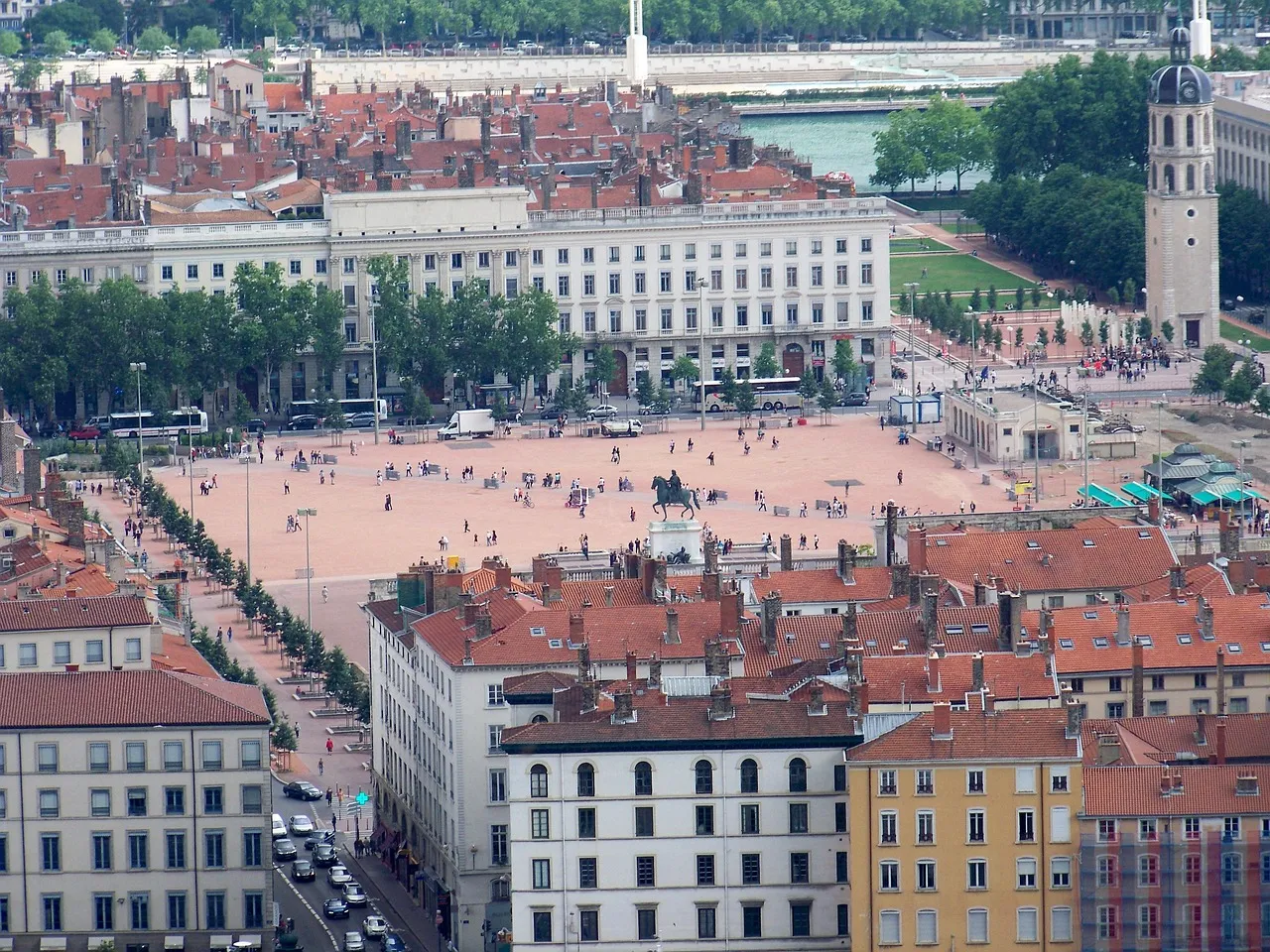
Lyon
France
City Overview
"Lyon: France’s historic gastronomy capital, where Roman ruins meet Renaissance grandeur and a thriving culinary scene."
Access:
- Air: Lyon-Saint Exupéry Airport (LYS), 25 km east, with direct flights to major European hubs and regional connections.
- Train: Lyon Part-Dieu and Lyon Perrache stations, served by high-speed TGV (Paris in 2h) and regional TER networks.
Districts:
- Presqu’île: Central peninsula between the Rhône and Saône rivers; heart of shopping (Rue de la République), nightlife (Bars on Rue Mercière), and landmarks (Place Bellecour, Hôtel de Ville).
- Vieux Lyon: UNESCO-listed Renaissance quarter on the Saône’s west bank; cobblestone alleys, traboules (hidden passageways), and Saint-Jean Cathedral.
- La Croix-Rousse: Former silk-weaving hilltop district; bohemian vibe, panoramic views, and the Mur des Canuts fresco.
Quick Booking
Weather Forecast
Practical Information
Emergency Contact Numbers
Currency & Conversion

Electrical Plugs
Culture & Etiquette
Cultural Summary of Lyon, France
Historical Identity
Lyon is a city with deep historical roots, shaped by its strategic location at the confluence of the Rhône and Saône rivers.
It was founded by the Romans in 43 BC as Lugdunum, becoming the capital of Gaul and a major political, economic, and religious center.
During the Renaissance, Lyon flourished as a hub of trade, banking, and silk production, earning the nickname "Capital of Silk."
The city played a key role in the French Resistance during World War II and remains a symbol of resilience.
Today, Lyon blends its Roman heritage, Renaissance grandeur, and industrial past into a vibrant cultural identity.
Three Major Cultural Sites & Museums
Vieux Lyon (Old Town)
- A UNESCO World Heritage site with well-preserved Renaissance architecture.
- Features traboules (hidden passageways) used by silk workers and Resistance fighters.
- Home to Saint-Jean Cathedral, a mix of Gothic and Romanesque styles.
Musée des Beaux-Arts (Museum of Fine Arts)
- One of France’s largest art museums, housed in a 17th-century abbey.
- Displays works from ancient Egypt to modern art, including pieces by Rembrandt, Rubens, and Picasso.
Gallo-Roman Museum & Theater (Lugdunum)
- Built on the ancient Roman city of Lugdunum.
- Features mosaics, sculptures, and artifacts from Lyon’s Roman past.
- Includes a well-preserved Roman theater still used for performances.
Iconic Local Gastronomy
- Quenelle – A light, fluffy dumpling, often served with Nantua sauce (crayfish butter).
- Salade Lyonnaise – A hearty salad with poached eggs, bacon, croutons, and a tangy vinaigrette.
- Tarte aux Pruneaux – A traditional prune tart, often enjoyed as a dessert.
- Rosette de Lyon – A dry-cured sausage with a distinct peppery flavor.
- Cervelle de Canut – A herb-infused cheese spread, named after Lyon’s silk workers (Canuts).
Lyon is also famous for its bouchons—traditional bistros serving rich, meat-heavy dishes like coq au vin and andouillette.