
 Back
Back 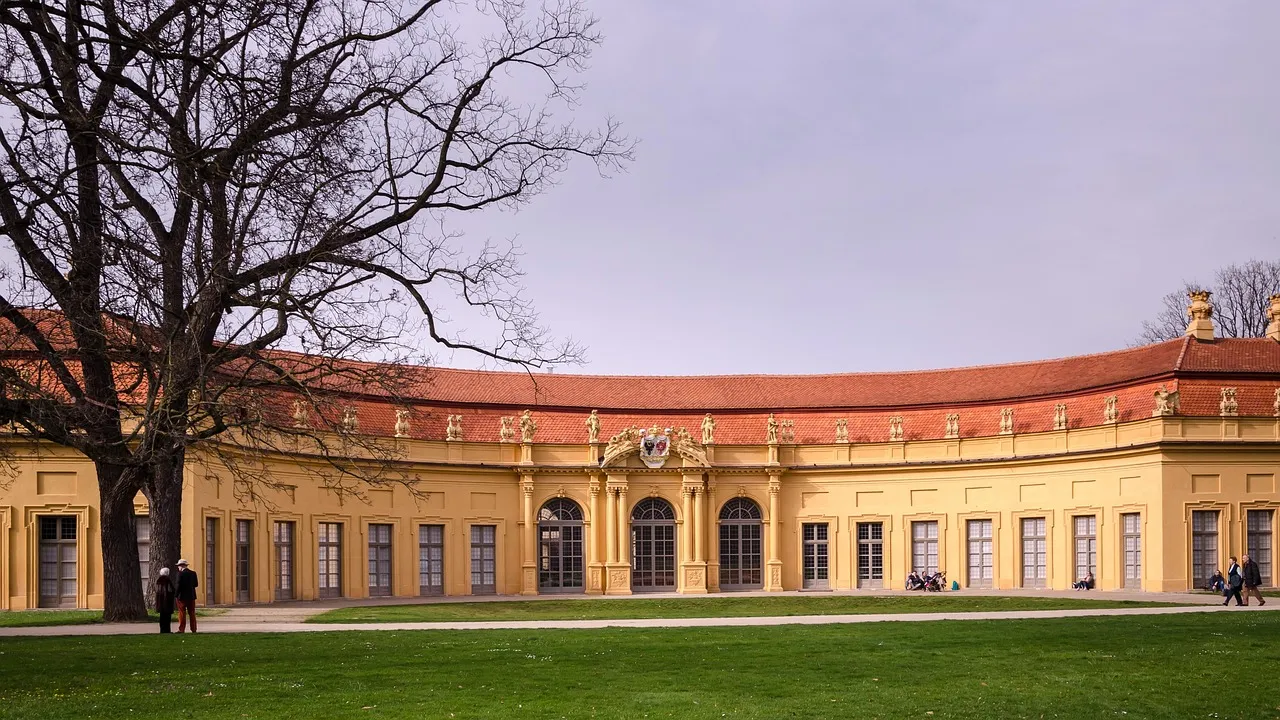
Erlangen
Germany
City Overview
Erlangen: A compact Bavarian university city blending science, history, and green spaces.
Access:
- Air: Nearest major airport is Nuremberg (NUE), 15 km away, with direct S-Bahn (S1) to Erlangen (20–30 min).
- Rail: Erlangen Hauptbahnhof (main station) connects to Nuremberg (15 min), Munich (1.5 hrs), and Berlin (4 hrs) via ICE/IC trains.
Districts/Zones:
- Altstadt (Old Town): Medieval core with half-timbered houses, the Marktplatz (central square), and Hugenottenkirche (Huguenot church); pedestrian-friendly, lined with cafés and shops.
- Universitätsviertel (University District): Home to Friedrich-Alexander-Universität (FAU), research institutes (e.g., Max Planck, Fraunhofer), and student bars/clubs (e.g., E-Werk, Keller).
- Südstadt (South City): Residential/recreational area with Bergkirchweih (annual beer festival grounds), Botanischer Garten (botanical garden), and Dechsendorfer Weiher (lake for swimming/hiking).
Quick Booking
Weather Forecast
Practical Information
Emergency Contact Numbers
Currency & Conversion

Electrical Plugs
Culture & Etiquette
Cultural Summary of Erlangen
Historical Identity
Erlangen is a city with a distinct Franco-German heritage. Founded in the Middle Ages, it became a refuge for French Huguenots in the 17th century after the Edict of Potsdam. Their influence shaped the city’s architecture, culture, and Protestant identity. Later, Erlangen developed as a university town, blending academic tradition with industrial innovation (notably Siemens). Its Baroque-era layout and historic center reflect this layered past.
Three Major Cultural Sites or Museums
Schlossgarten (Palace Garden) & Orangerie
- A sprawling Baroque garden designed in the 18th century.
- Features the Orangerie, a neoclassical greenhouse with seasonal exhibitions.
- Home to the Botanical Garden of Friedrich-Alexander University.
Stadtmuseum Erlangen (City Museum)
- Chronicles Erlangen’s history, from medieval origins to Huguenot settlement.
- Exhibits on local industry, university life, and daily culture.
- Includes artifacts from the city’s role in the German Enlightenment.
Hugenottenkirche (Huguenot Church)
- Built in 1686 for French Protestant refugees.
- A key symbol of Erlangen’s Huguenot legacy.
- Features a simple, functional interior with historical plaques.
Iconic Local Gastronomy
Bratwurst (Erlanger Rostbratwurst)
- A regional sausage, thinner and longer than Nuremberg’s.
- Traditionally grilled over beechwood and served with sauerkraut or mustard.
Schäufele
- A Franconian dish of slow-roasted pork shoulder.
- Often paired with potato dumplings (Kartoffelklöße) and gravy.
Huguenot-Inspired Pastries
- Plundergebäck: Flaky, buttery pastries (similar to Danish plunder).
- Krapfen: Jam-filled doughnuts, a legacy of French baking traditions.
Franconian Wine
- Local vineyards produce dry white wines (e.g., Silvaner, Müller-Thurgau).
- Served in traditional Bocksbeutel bottles.