
 Back
Back 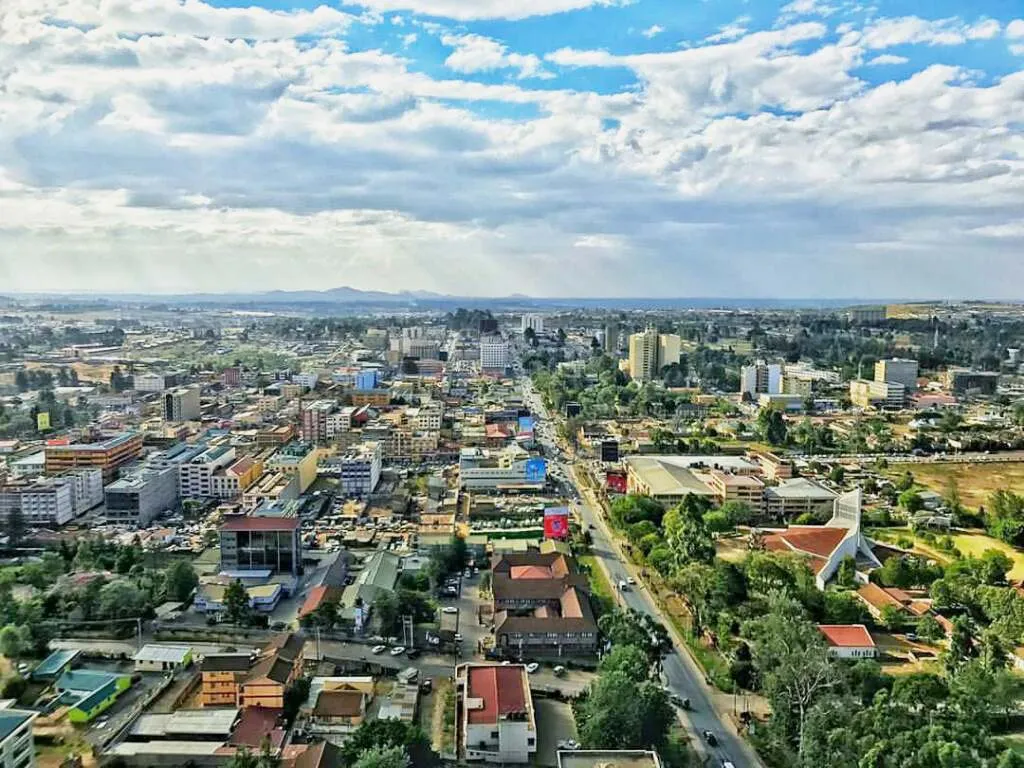
Eldoret City
Kenya
City Overview
Eldoret: Kenya’s high-altitude hub of agriculture, athletics, and Rift Valley grit.
Access
- By air: Eldoret International Airport (EDL) – direct flights from Nairobi (Wilson Airport) and Mombasa, plus cargo services.
- By road: Nairobi-Eldoret Highway (A104, ~300 km, 4–5 hours) or via Nakuru; matatus (minibuses) and buses (e.g., Easy Coach, Eldoret Express) run daily.
Districts/Zones
- City Center – Commercial core with banks, markets (e.g., Eldoret Open-Air Market), hotels, and government offices; chaotic but vibrant.
- Kapsoya & Langas – Residential areas with mid-range housing, schools (e.g., Moi University), and local eateries; athlete training hotspots.
- Industrial Area – Northeast outskirts; factories (textiles, food processing), warehouses, and the Eldoret Special Economic Zone (SEZ).
Quick Booking
Weather Forecast
24 °C
Practical Information
Emergency Contact Numbers
Police : 112 or 999 or 911
Fire : 112 or 999 or 911
Ambulance : 112 or 999 or 911
Currency & Conversion

—
Electrical Plugs
Voltage : Not available
Plug Type : G
Culture & Etiquette
Cultural Summary of Eldoret, Kenya
Historical Identity
Eldoret is a young, fast-growing city in Kenya’s Rift Valley. Founded in the early 20th century by white settlers, it later became a hub for Indian traders and African laborers.
The city’s identity is shaped by its agricultural roots—especially maize and wheat farming—and its role as a commercial center. Today, it blends diverse communities, including the Kalenjin, Luhya, and Kikuyu, alongside descendants of Indian and European settlers.
Major Cultural Sites & Museums
Koitaleel Samoei Mausoleum
- Honors Koitaleel Arap Samoei, a Nandi leader who resisted British colonial rule.
- A key site for understanding Kalenjin history and resistance.
Eldoret Club
- A historic social club established in 1924 by European settlers.
- Reflects the city’s colonial past and early 20th-century elite culture.
Chepkiit Waterfalls
- A scenic natural site with cultural significance for the local Kalenjin community.
- Often visited for picnics and traditional ceremonies.
Iconic Local Gastronomy
Ugali & Sukuma Wiki
- A staple dish: maize flour porridge (ugali) served with collard greens (sukuma wiki).
- Often paired with beef or chicken stew.
Nyama Choma
- Grilled goat or beef, a popular dish in local eateries and social gatherings.
Mursik
- A traditional Kalenjin fermented milk drink, often served in gourds.
- A cultural symbol of the region.