
 Back
Back 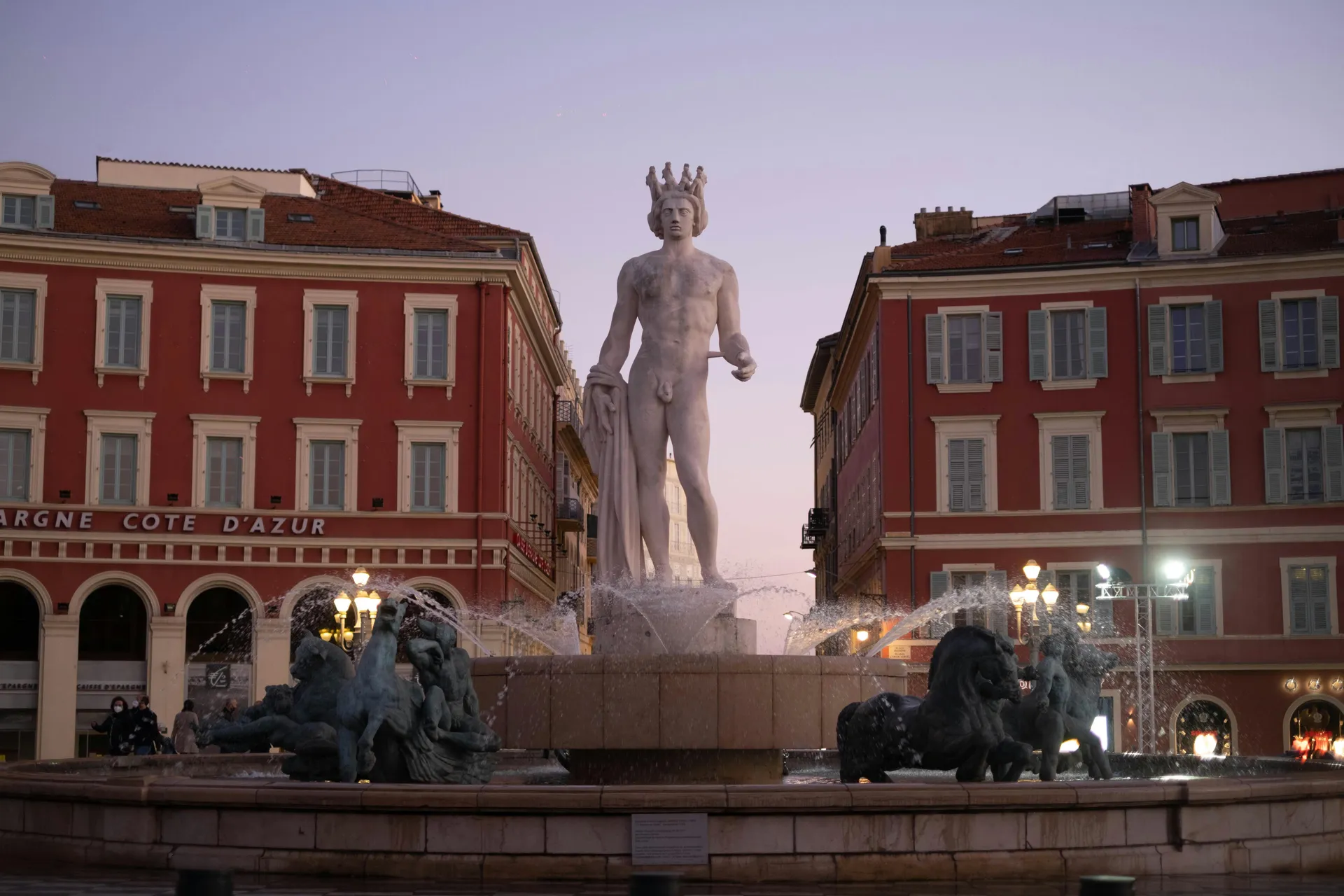
Nice
France
City Overview
Nice: France’s sun-drenched Riviera gem, where Mediterranean charm meets vibrant urban energy.
Access:
- By air: Nice Côte d’Azur Airport (NCE) – France’s third-busiest airport, 7 km west of the city, with direct flights to major European hubs and seasonal long-haul routes.
- By train: Nice-Ville station – a high-speed TGV hub (5.5 hrs from Paris, 2.5 hrs from Marseille) and regional TER links to Monaco, Cannes, and Italy.
Districts:
- Vieux Nice (Old Town): Labyrinthine alleys, Baroque churches, daily markets (Cours Saleya), and the city’s historic core with Provençal architecture.
- Promenade des Anglais & City Center: Iconic 7 km seafront boulevard, luxury hotels, beaches (pebbly), and the commercial heart (Avenue Jean Médecin, Place Masséna).
- Cimiez & North Nice: Hilltop district with Roman ruins, Matisse Museum, Cimiez Monastery, and quieter residential areas offering panoramic views.
Quick Booking
Weather Forecast
Practical Information
Emergency Contact Numbers
Currency & Conversion

Electrical Plugs
Culture & Etiquette
Cultural Summary of Nice, France
Historical Identity
Nice has a rich, layered history shaped by its Mediterranean location.
Originally founded by the Greeks in 350 BC as Nikaia, it later became a Roman outpost. For centuries, it was a contested territory between France and Italy, only definitively joining France in 1860. Its identity blends Provençal, Italian, and French influences. The city flourished in the 19th century as a winter retreat for European aristocracy, earning the nickname "Nice la Belle" (Nice the Beautiful). Today, it retains a cosmopolitan yet distinctly Niçois character.
Three Major Cultural Sites & Museums
Vieux Nice (Old Town)
- A maze of narrow, ochre-colored streets.
- Home to Baroque churches, vibrant markets, and hidden courtyards.
- Reflects the city’s Italianate past.
Musée Matisse
- Dedicated to Henri Matisse, who lived in Nice for decades.
- Houses a vast collection of his paintings, drawings, and sculptures.
- Set in a 17th-century Genoese villa with olive groves.
Musée Marc Chagall
- Focuses on Marc Chagall’s biblical-themed works.
- Features stained-glass windows and large-scale paintings.
- Designed to complement the art with natural light.
Iconic Local Gastronomy
Salade Niçoise
- A fresh mix of tomatoes, hard-boiled eggs, olives, tuna, and anchovies.
- Traditionally served with raw vegetables and olive oil.
Socca
- A chickpea flour pancake, crispy on the outside, soft inside.
- Best eaten hot from street vendors.
Pissaladière
- A caramelized onion tart topped with anchovies and olives.
- Often called the "Niçois pizza."
Tourte de Blettes
- A sweet or savory Swiss chard pie.
- Can include raisins, pine nuts, or cheese.
Wine: Bellet AOC
- Nice’s own wine appellation.
- Produces light, aromatic whites and rosés.