
 Back
Back 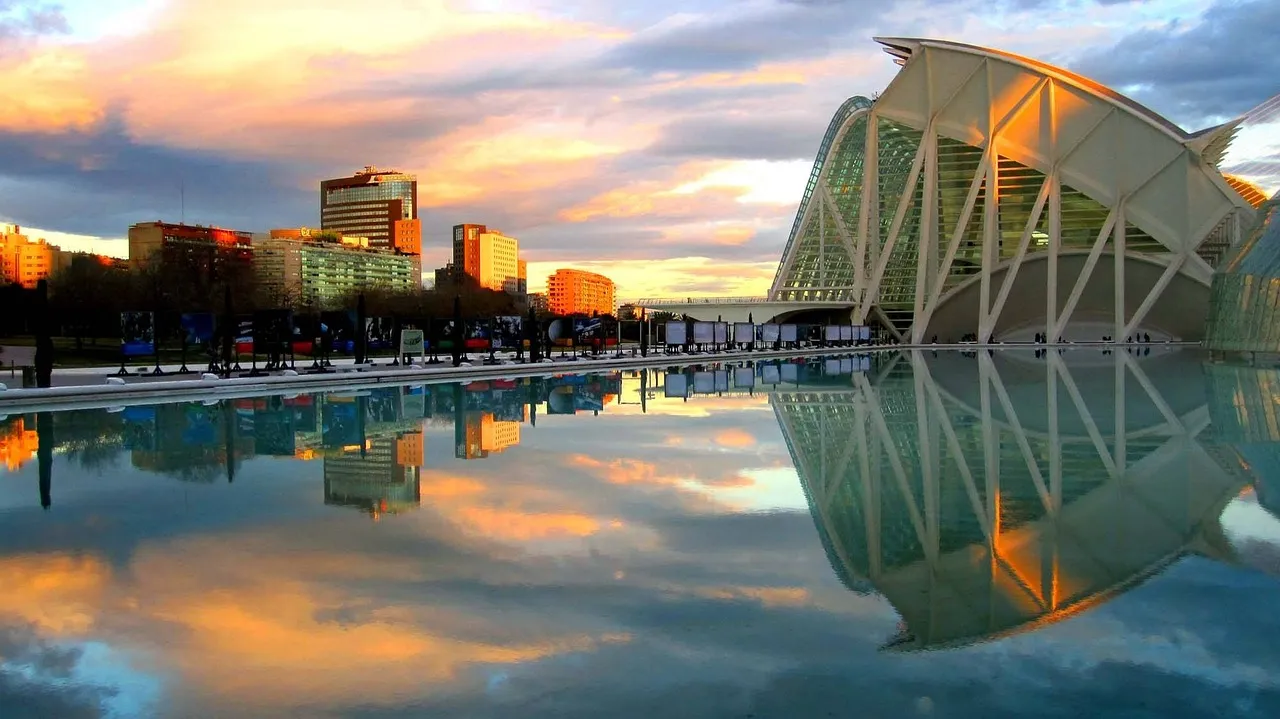
Valencia
Spain
City Overview
Valencia: Spain’s sun-drenched coastal hub where futuristic architecture meets historic charm and paella was born.
Access:
- By air – Valencia Airport (VLC), 8 km west of the city, with metro (Lines 3/5) and bus (Aerobús) connections to the center.
- By train – Valencia-Joaquín Sorolla (high-speed AVE) and Valencia-Nord (regional/long-distance) stations, both central and well-linked to public transport.
Main zones/districts:
- Ciutat Vella (Old Town) – Medieval core with the Silk Exchange (La Lonja), Central Market, and Cathedral; pedestrianized, dense with landmarks.
- Eixample – 19th-century grid expansion; home to the modernist Mercado de Colón, boutique shopping, and upscale dining.
- Ciudad de las Artes y las Ciencias (City of Arts and Sciences) – Futuristic complex (e.g., L’Hemisfèric, Oceanogràfic) in the Turia Riverbed; Valencia’s architectural icon.
Quick Booking
Weather Forecast
Practical Information
Emergency Contact Numbers
Currency & Conversion

Electrical Plugs
Culture & Etiquette
Cultural Summary of Valencia
Historical Identity
Valencia is a city with deep Mediterranean roots. Founded by the Romans in 138 BC, it later flourished under Moorish rule (8th–13th centuries). The Christian Reconquista in 1238 shaped its Gothic and Renaissance architecture. Valencia became a key trading hub in the Middle Ages. Its maritime history and agricultural wealth (especially oranges) defined its identity. Today, it blends tradition with modernity, known for futuristic landmarks alongside historic charm.
Three Major Cultural Sites or Museums
La Lonja de la Seda (Silk Exchange)
- A UNESCO World Heritage Site.
- A masterpiece of Gothic civil architecture (15th–16th centuries).
- Symbolizes Valencia’s golden age as a Mediterranean trading power.
City of Arts and Sciences (Ciutat de les Arts i les Ciències)
- A futuristic complex designed by Santiago Calatrava and Félix Candela.
- Includes:
- L’Hemisfèric (IMAX cinema and planetarium).
- El Museu de les Ciències Príncipe Felipe (interactive science museum).
- L’Oceanogràfic (Europe’s largest aquarium).
- Represents Valencia’s modern cultural and scientific ambition.
Valencia Cathedral (Catedral de Santa María)
- Built between the 13th and 15th centuries.
- Mixes Romanesque, Gothic, and Baroque styles.
- Houses the Holy Grail (claimed to be the chalice used by Jesus at the Last Supper).
- The Miguelete Tower offers panoramic city views.
Iconic Local Gastronomy
Paella Valenciana
- The city’s most famous dish.
- Traditional version includes rice, chicken, rabbit, green beans, garrofó (butter beans), and saffron.
- Cooked in a wide, shallow pan over an open fire.
Horchata (Orxata) with Fartons
- A sweet, milky drink made from tiger nuts (chufas).
- Served ice-cold, often with soft, sugary pastries called fartons.
- Originated in the nearby town of Alboraya.
Esgarraet
- A salad of roasted red peppers, salted cod, garlic, and olive oil.
- A staple in Valencian tapas culture.
Bunuelos de Calabaza
- Pumpkin fritters, often eaten during festivals.
- Light, sweet, and dusted with sugar.
All i Pebre
- A rich eel stew with garlic, paprika, and potatoes.
- A traditional dish from the Albufera region.