
 Back
Back 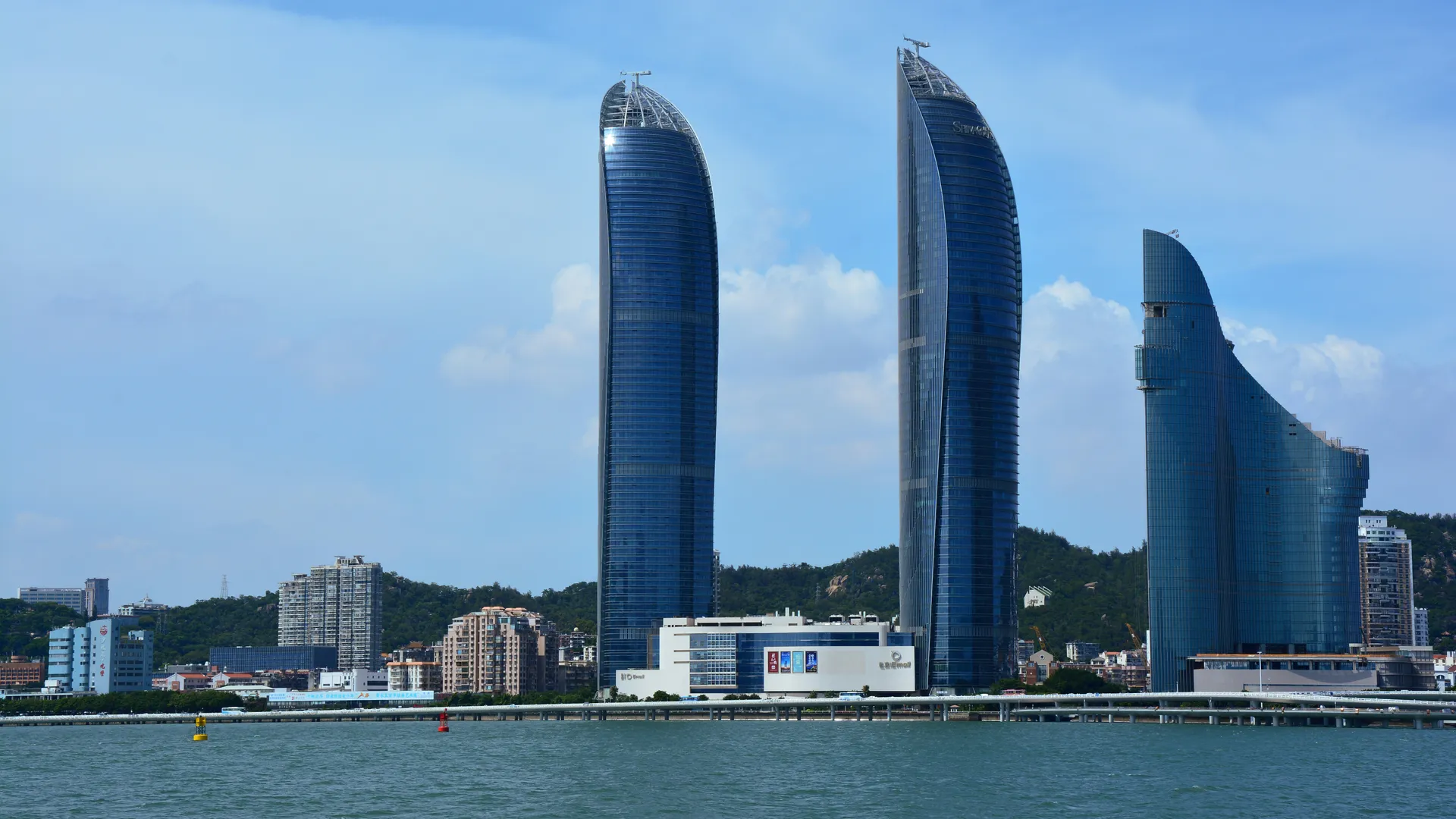
Xiamen
China
City Overview
Xiamen: China’s coastal gem blending tropical charm, colonial history, and modern vibrancy.
Access
- By air: Xiamen Gaoqi International Airport (XMN) – direct flights from major Chinese cities (Beijing, Shanghai, Guangzhou) and international hubs (Singapore, Kuala Lumpur, Manila, Seoul).
- By train: High-speed rail links to Shanghai (6–7 hours), Guangzhou (4–5 hours), and Fuzhou (1.5 hours); conventional trains connect to other regional cities.
Key Districts
- Siming District – Downtown core: Colonial architecture (Gulangyu ferry hub), Zhongshan Road shopping, Nanputuo Temple, and coastal promenades (Hulishan Fortress, Yefengzhu Bird Watching Park).
- Huli District – Modern business/tech hub: Xiamen International Conference Center, Software Park, and high-end residential areas; home to the city’s financial and innovation sectors.
- Gulangyu Island – UNESCO-listed historic enclave: Car-free, European-style villas, piano museums, and beaches (Sunlight Rock, Shuzhuang Garden); accessible only by ferry from Siming District.
Quick Booking
Weather Forecast
28 °C
Practical Information
Emergency Contact Numbers
Police : 110
Fire : 119
Ambulance : 120
Currency & Conversion

—
Electrical Plugs
Voltage : Not available
Plug Type : A,I
Culture & Etiquette
Cultural Summary of Xiamen
Historical Identity
Xiamen (Amoy) is a coastal city in Fujian Province with a rich maritime history. It was a key port during the Ming and Qing dynasties, serving as a hub for trade and cultural exchange.
Later, it became one of China’s earliest treaty ports, opening to foreign influence in the 19th century. This blend of Chinese tradition and colonial-era architecture shapes its unique identity.
Three Major Cultural Sites or Museums
Gulangyu Island (鼓浪屿)
- A UNESCO-listed island known for its colonial-era villas and musical heritage.
- Features the Piano Museum and Organ Museum, celebrating its reputation as the "Island of Music."
- Preserves a mix of Western and Chinese architectural styles.
Hulishan Fortress (胡里山炮台)
- A late 19th-century coastal defense site with a well-preserved German-made Krupp cannon.
- Offers exhibits on Xiamen’s military history and panoramic sea views.
Xiamen Museum (厦门市博物馆)
- Showcases the city’s history, from ancient maritime trade to modern development.
- Includes artifacts from the Hulishan Fortress and Gulangyu’s colonial past.
Iconic Local Gastronomy
Oyster Omelette (海蛎煎, Hǎilì Jiān)
- A crispy, savory pancake made with fresh oysters, eggs, and sweet potato starch.
Satay Noodles (沙茶面, Shāchá Miàn)
- A spicy, aromatic noodle dish with peanut-based satay sauce, influenced by Southeast Asian flavors.
Buddha Jumps Over the Wall (佛跳墙, Fó Tiào Qiáng)
- A luxurious Fujianese stew with shark fin, abalone, sea cucumber, and other premium ingredients.
Tea Culture
- Xiamen is part of Fujian’s tea tradition, famous for Tieguanyin (Iron Goddess) oolong tea.
- Tea houses, especially in Gulangyu, offer traditional tea ceremonies.