
 Back
Back 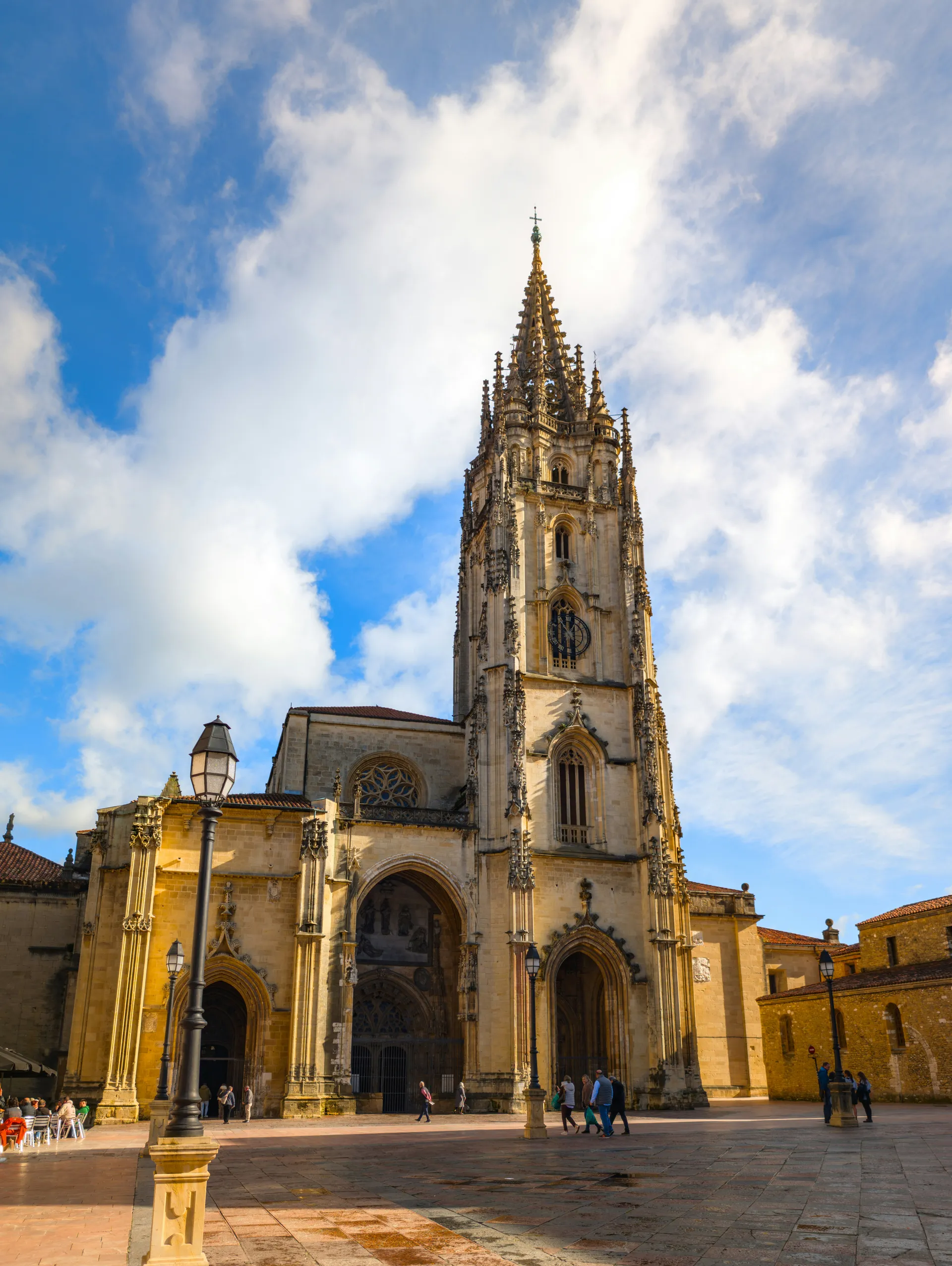
Oviedo
Spain
City Overview
Oviedo: A historic Asturian gem where medieval charm meets vibrant urban life.
How to get there:
- By air: Fly into Asturias Airport (OVD), 47 km northwest, then take a bus (ALSA) or taxi (~45 min).
- By train: Renfe operates direct routes from Madrid (4.5–5.5 hrs), León (2 hrs), and Santander (3.5 hrs); arrive at Oviedo’s central station.
Three main zones/districts:
- Old Town (Casco Histórico): Heart of the city, packed with pre-Romanesque churches (e.g., Santa María del Naranco), the Gothic Cathedral, and lively plazas like Plaza del Fontán.
- Ensanche (Expansion District): 19th-century grid layout with upscale shopping (Calle Uría), modernist architecture, and key landmarks like Campo de San Francisco park.
- Monte Naranco: Northern hills offering panoramic views, hiking trails, and the iconic Vista de Oviedo viewpoint; home to the pre-Romanesque church San Miguel de Lillo.
Quick Booking
Weather Forecast
Practical Information
Emergency Contact Numbers
Currency & Conversion

Electrical Plugs
Culture & Etiquette
Cultural Summary of Oviedo, Spain
Historical Identity
Oviedo is the capital of Asturias, a region with deep Celtic and medieval roots. Founded in 761 AD, it became a key religious and political center during the Kingdom of Asturias.
The city flourished as a stop on the Camino de Santiago pilgrimage route. Its historic core preserves pre-Romanesque churches, royal palaces, and a legacy of resistance against Moorish rule.
Today, Oviedo blends its ancient heritage with a lively modern culture.
Three Major Cultural Sites or Museums
Cathedral of San Salvador
- A Gothic masterpiece with a Romanesque tower.
- Houses the Holy Chamber (Cámara Santa), a UNESCO-listed relic shrine.
- Contains the Cross of the Angels, a 9th-century Asturian treasure.
Preromanesque Churches (UNESCO World Heritage Sites)
- Santa María del Naranco – A 9th-century royal palace-turned-church.
- San Miguel de Lillo – A nearby church with intricate carvings.
- San Julián de los Prados – One of Spain’s oldest surviving churches.
Museo de Bellas Artes de Asturias
- Features Asturian and Spanish art from the Middle Ages to modern times.
- Highlights include works by Sorolla, Picasso, and local artists.
Iconic Local Gastronomy
- Fabada Asturiana – A rich stew of white beans, morcilla (blood sausage), and pork.
- Cider (Sidra) – Traditionally poured from high above to aerate it (escanciar).
- Cabrales Cheese – A strong, blue-veined cheese aged in caves.
- Casadielles – Sweet fried pastries filled with walnuts and anise.
Oviedo’s food reflects its rural and coastal influences, often enjoyed in sidrerías (cider houses).