
 Back
Back 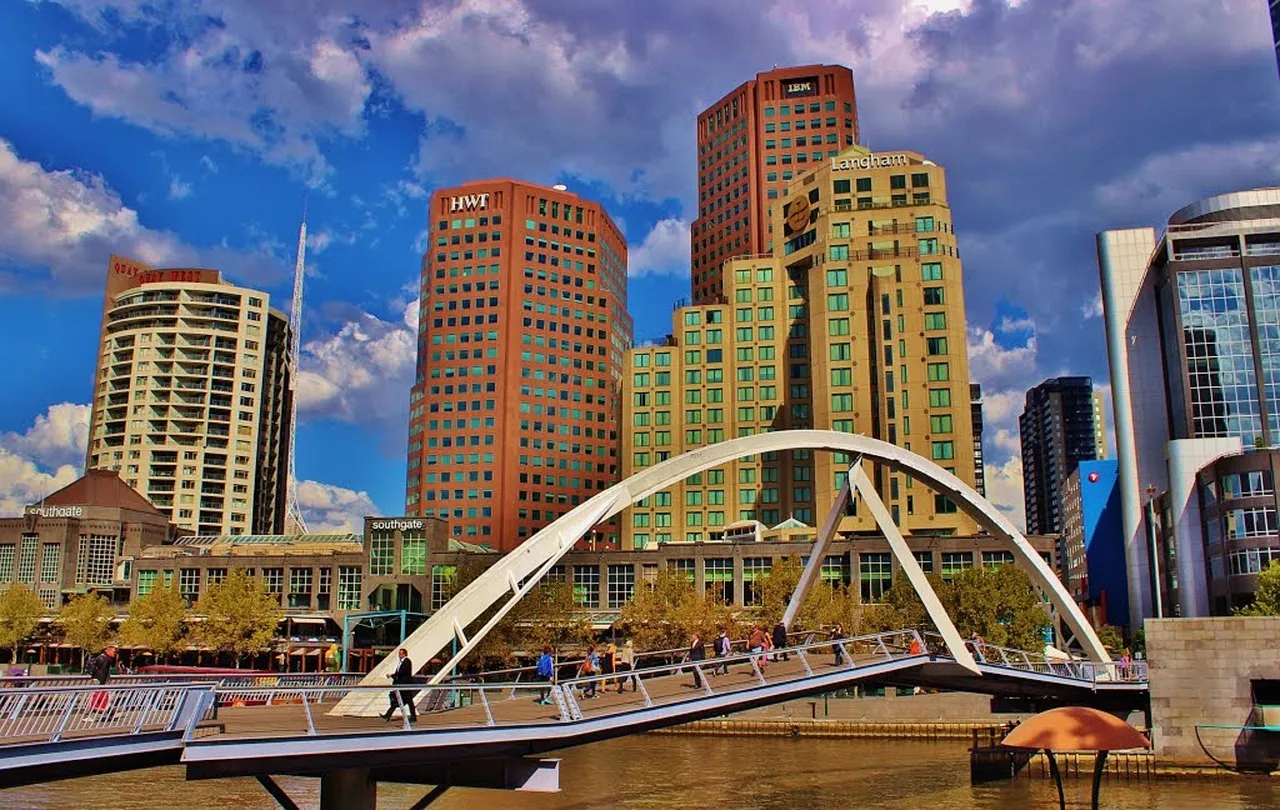
Melbourne
Australia
City Overview
Melbourne: Australia’s cultural powerhouse—where laneway coffee, world-class arts, and a relentless sports obsession collide.
Access
- Air: Melbourne Airport (Tullamarine, MEL) – Australia’s second-busiest, 23km northwest of the CBD, with direct international and domestic flights.
- Land: Major highways (M1, M3, M80) and rail (V/Line, NSW TrainLink) connect to Sydney (9h by train), Adelaide (10h by bus), and regional Victoria.
Districts
- CBD (Central Business District) – Grid-layout core with high-rises, shopping (Bourke Street Mall), dining (Degraves Street), and landmarks (Flinders Street Station, Federation Square).
- Inner North (Fitzroy, Collingwood, Carlton) – Hipster epicenter: vintage shops, street art (Hosier Lane), craft breweries, and the University of Melbourne.
- St Kilda & Bayside – Beachfront suburb with Luna Park, Acland Street’s cake shops, and the iconic Esplanade (sunset views, penguin colony at St Kilda Pier).
Quick Booking
Weather Forecast
8 °C
Practical Information
Emergency Contact Numbers
Police : 000
Fire : 000
Ambulance : 000
Currency & Conversion

1.43 AUD
Electrical Plugs
Voltage : Not available
Plug Type : I
Culture & Etiquette
Cultural Summary of Melbourne
Historical Identity
Melbourne was founded in 1835 by settlers from Tasmania. It grew rapidly during the 1850s Victorian gold rush, becoming one of the world’s wealthiest cities.
Its architecture reflects this boom, blending Victorian-era grandeur with modern innovation. The city has long been a hub for arts, sports, and multiculturalism, shaped by waves of immigration.
Three Major Cultural Sites or Museums
National Gallery of Victoria (NGV)
- Australia’s oldest and most visited art museum.
- Houses an extensive collection of Indigenous, international, and contemporary art.
Melbourne Museum
- Showcases natural history, Indigenous culture, and Melbourne’s social evolution.
- Features the Bunjilaka Aboriginal Cultural Centre, highlighting First Nations heritage.
Immigration Museum
- Explores Melbourne’s multicultural identity through personal stories.
- Located in the historic Old Customs House.
Iconic Local Gastronomy
Coffee Culture
- Melbourne is famous for its high-quality, artisanal coffee.
- Specialty cafés and baristas are central to the city’s social scene.
Meat Pies & Sausage Rolls
- A staple of Australian comfort food.
- Often enjoyed at bakeries or sports events.
International Cuisine
- Reflects Melbourne’s diversity, with strong Italian, Greek, Vietnamese, and Chinese influences.
- Lygon Street (Italian) and Victoria Street (Vietnamese) are key food destinations.