
 Back
Back 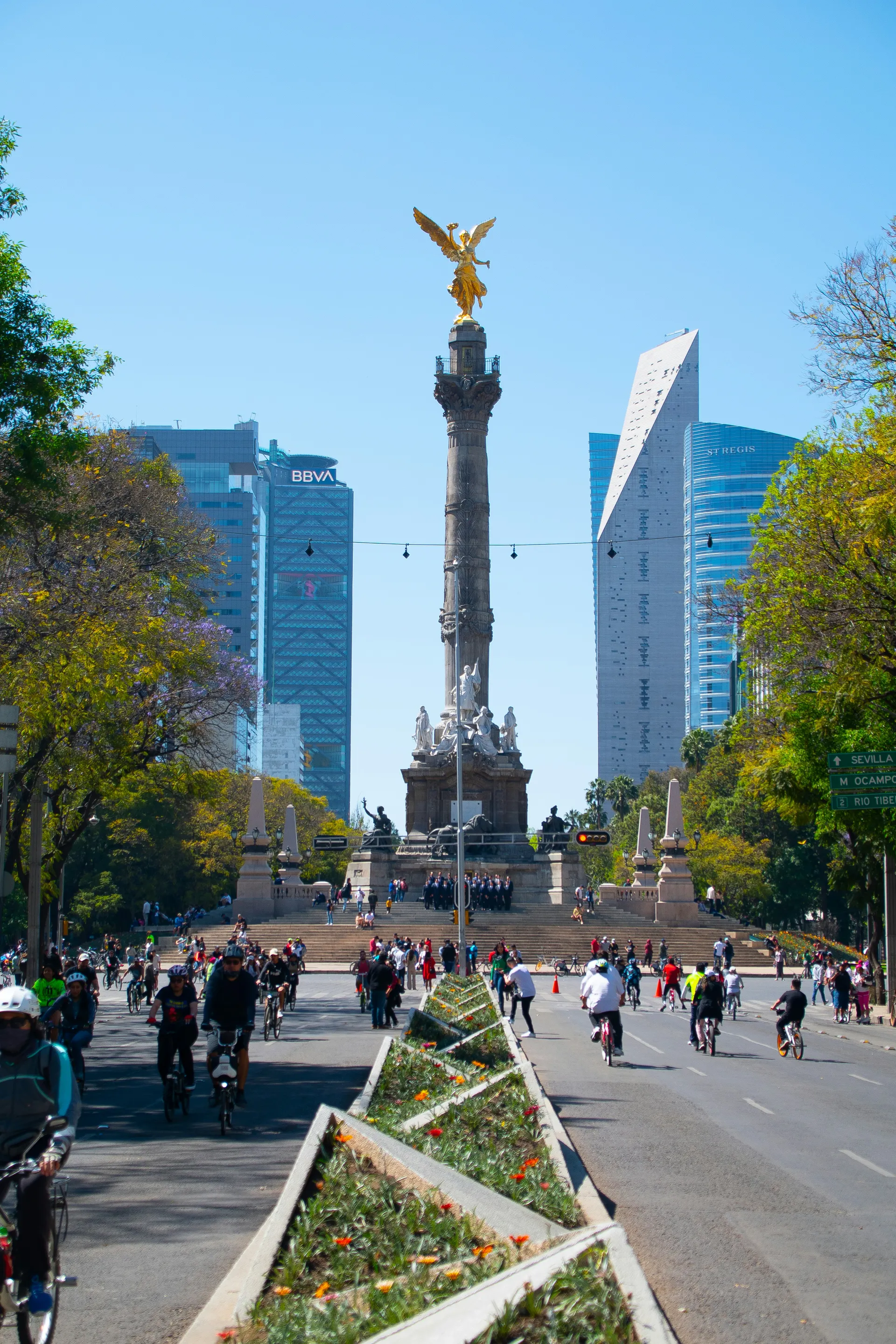
Mexico City
Mexico
City Overview
Mexico City: A colossal, high-altitude metropolis where pre-Hispanic ruins collide with cutting-edge urban energy.
Access:
- By air: Benito Juárez International Airport (MEX) – the primary hub, 5 km east of downtown, with domestic and global connections.
- By land: Central de Autobuses del Norte (north), TAPO (east), and other major bus terminals linking to national destinations.
Three main zones/districts:
- Centro Histórico – Colonial core with Zócalo, Templo Mayor, Palacio de Bellas Artes, and dense cultural landmarks.
- Zona Rosa & Roma-Condesa – Trendy, walkable areas with nightlife, cafés, galleries, and boutique hotels.
- Santa Fe & Polanco – Upscale business/shopping hubs with skyscrapers, luxury brands, and affluent residential zones.
Quick Booking
Weather Forecast
14 °C
Practical Information
Emergency Contact Numbers
Police : 911
Fire : 911
Ambulance : 911
Currency & Conversion

—
Electrical Plugs
Voltage : Not available
Plug Type : A,B
Culture & Etiquette
Cultural Summary of Mexico City
Historical Identity
Mexico City is the heart of Mexico’s cultural and political history.
It was built atop the ruins of Tenochtitlán, the capital of the Aztec Empire. Founded in 1325, it became the center of Spanish colonial power after the conquest in 1521.
Today, it blends pre-Hispanic, colonial, and modern influences, shaping its vibrant identity.
Three Major Cultural Sites & Museums
Zócalo (Plaza de la Constitución)
- The historic main square.
- Surrounded by landmarks like the Metropolitan Cathedral and National Palace (with Diego Rivera murals).
- A hub for festivals, protests, and public gatherings.
Templo Mayor & Museo del Templo Mayor
- The ruins of the Aztec Great Temple (Templo Mayor).
- The adjacent museum displays artifacts from the site, including sacrificial offerings and stone carvings.
Museo Nacional de Antropología (National Museum of Anthropology)
- One of the world’s greatest archaeological museums.
- Houses the Aztec Sun Stone (Calendar Stone) and Olmec colossal heads.
- Covers Mexico’s indigenous civilizations from prehistory to the present.
Iconic Local Gastronomy
Tacos al Pastor
- Marinated pork cooked on a vertical spit.
- Served with pineapple, onion, and cilantro.
Churros & Chocolate
- Crispy fried dough dusted with sugar.
- Often paired with thick, spiced Mexican hot chocolate.
Pozole
- A hearty soup made with hominy (nixtamalized corn) and pork.
- Served with toppings like radish, lettuce, and lime.
Tamales
- Steamed corn dough filled with meats, cheese, or chilies.
- Wrapped in corn husks or banana leaves.
Pulque & Mezcal
- Pulque: A fermented drink made from agave sap.
- Mezcal: Smoky, artisanal liquor (similar to tequila but with distinct flavors).