
 Back
Back 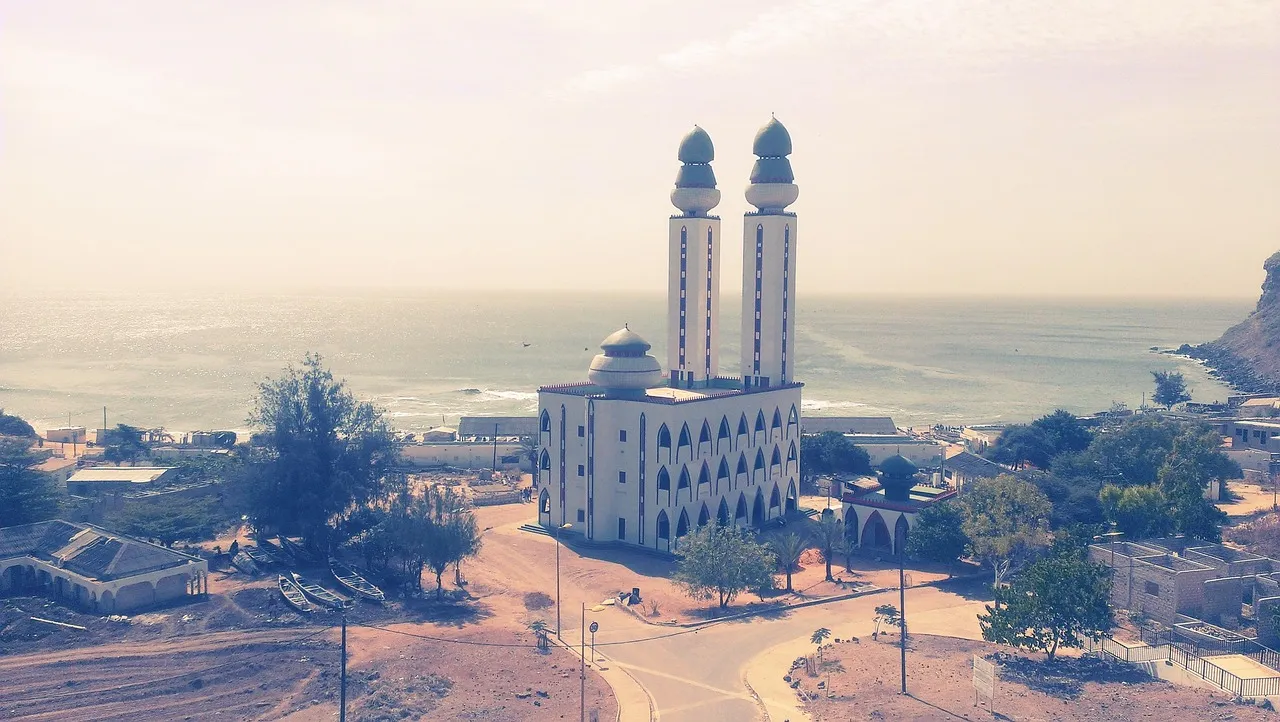
Dakar
Senegal
City Overview
Dakar: Senegal’s vibrant Atlantic gateway—where West African energy meets colonial charm and oceanfront grit.
How to Access Dakar
- By Air – Blaise Diagne International Airport (DSS), 50 km east of the city, is the main hub with direct flights from Europe, North America, and Africa.
- By Sea – The Port of Dakar handles ferries from Ziguinchor (Casamance) and cargo/passenger ships from Europe (e.g., Marseille).
Three Main Zones/Districts
- Plateau – The administrative and business core, packed with colonial-era buildings, government offices, banks, and the presidential palace.
- Medina – A densely populated, working-class neighborhood with markets (e.g., Marché Sandaga), street food, and local culture.
- Almadies/Yoff – The coastal stretch northwest of the city, home to beaches (e.g., N’Gor, Yoff), nightlife, and expat hubs.
Quick Booking
Weather Forecast
Practical Information
Emergency Contact Numbers
Currency & Conversion

Electrical Plugs
Culture & Etiquette
Cultural Summary of Dakar, Senegal
Historical Identity
Dakar is a vibrant coastal city shaped by its colonial past and African heritage.
Founded as a French colonial outpost in the 19th century, it later became the capital of French West Africa. The city blends traditional Wolof culture with French influences, creating a unique urban identity.
Dakar is also a hub for Pan-Africanism, hosting key events like the 1966 World Festival of Black Arts. Its history reflects resilience, creativity, and a strong sense of community.
Three Major Cultural Sites & Museums
Gorée Island
- A UNESCO World Heritage Site.
- Symbolizes the transatlantic slave trade.
- Features the House of Slaves museum, a poignant historical landmark.
IFAN Museum of African Arts (Musée Théodore Monod)
- One of West Africa’s oldest museums.
- Displays traditional masks, sculptures, and artifacts.
- Highlights Senegal’s rich artistic heritage.
African Renaissance Monument
- A towering bronze statue overlooking the city.
- Celebrates Africa’s post-colonial progress.
- A symbol of national pride and cultural revival.
Iconic Local Gastronomy
Thieboudienne (Ceebu Jën)
- Senegal’s national dish.
- Fish, rice, and vegetables cooked in a tomato-based sauce.
- Often served with spicy yétiss (pepper sauce).
Yassa Poulet
- Grilled chicken marinated in onions and lemon.
- Served with rice or couscous.
- A tangy, flavorful staple.
Accara (Black-Eyed Pea Fritters)
- Deep-fried bean cakes.
- A popular street food snack.
- Often eaten with spicy dipping sauces.
Dakar’s culture is a dynamic mix of history, art, and cuisine—rooted in tradition yet constantly evolving.