
 Back
Back 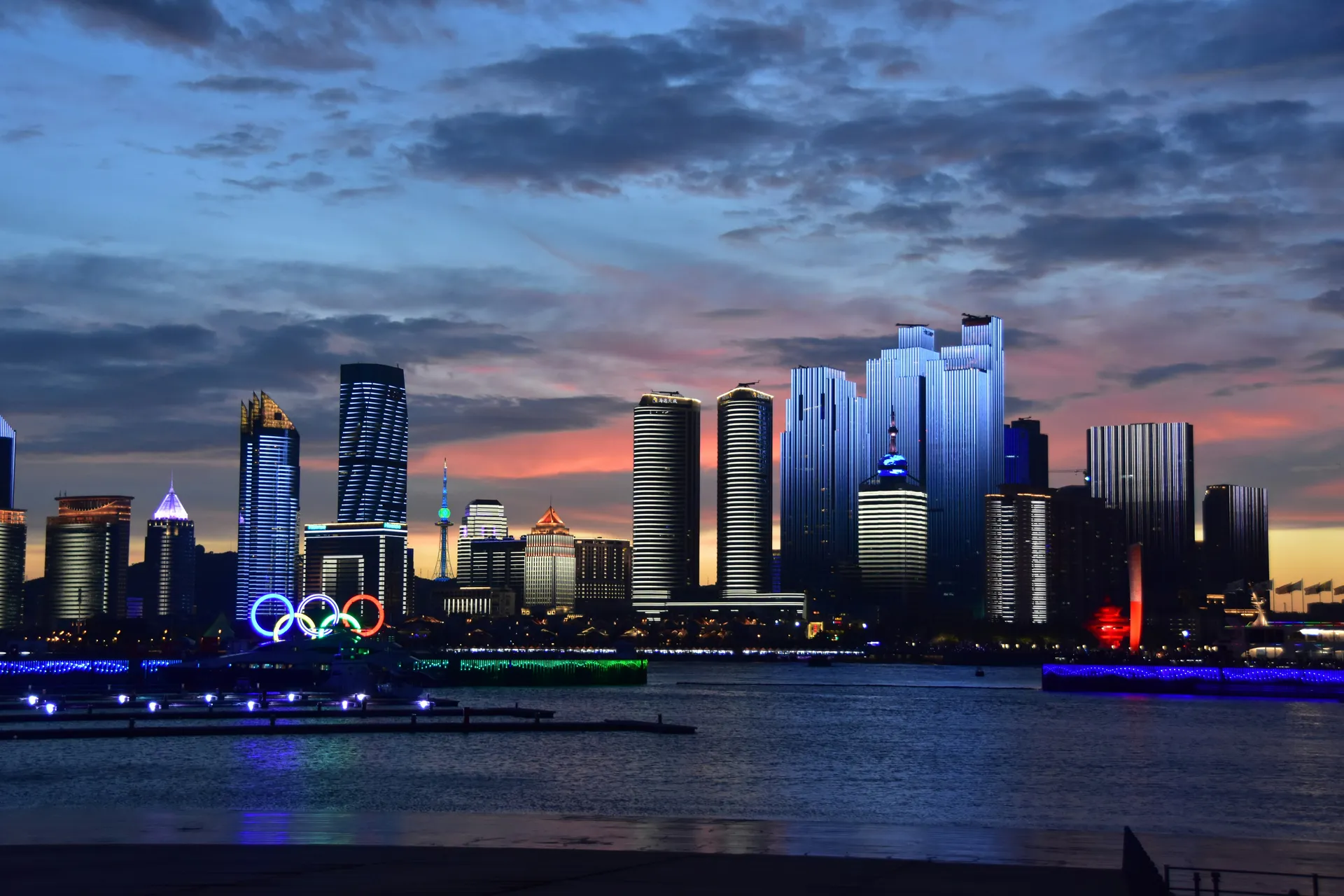
Qingdao
China
City Overview
Qingdao: China’s breezy coastal gem where German colonial charm meets seaside modernity.
How to Access Qingdao
- By Air – Qingdao Liuting International Airport (TAO) (now largely replaced by Qingdao Jiaodong International Airport), with domestic/international flights (e.g., Seoul, Tokyo, Frankfurt).
- By Train – High-speed rail (e.g., Beijing–Qingdao in ~3 hours) and conventional trains via Qingdao Railway Station or Qingdao North Station.
Three Main Zones/Districts
- Shinan District – Historic core: German architecture (e.g., Badaguan Scenic Area), beaches (No. 1 Bathing Beach), and tourist hubs (Zhongshan Road).
- Shibei District – Commercial center: shopping (Tai’an Road), nightlife (Yunxiao Road), and transport hubs (railway stations).
- Laoshan District – Nature/outdoor focus: Laoshan Mountain (hiking, Taoist temples), Shilaoren Beach, and scenic coastal drives.
Quick Booking
Weather Forecast
25 °C
Practical Information
Emergency Contact Numbers
Police : 110
Fire : 119
Ambulance : 120
Currency & Conversion

—
Electrical Plugs
Voltage : Not available
Plug Type : A,I
Culture & Etiquette
Cultural Summary of Qingdao
Historical Identity
Qingdao is a coastal city in China’s Shandong Province with a layered history.
Originally a small fishing village, it became a German colonial concession in 1898. This left a lasting architectural and cultural imprint. After World War I, Japan briefly controlled the city before it returned to Chinese rule in 1922.
Today, Qingdao blends German colonial heritage, maritime traditions, and modern Chinese urban life. Its identity is shaped by its port, beer culture, and seaside charm.
Three Major Cultural Sites or Museums
St. Michael’s Cathedral (天主教堂)
- A Gothic-style Catholic church built during German rule.
- Features twin spires and stained-glass windows.
- One of the city’s most recognizable landmarks.
Qingdao Beer Museum (青岛啤酒博物馆)
- Located in the original Tsingtao Brewery (founded 1903).
- Showcases the history of China’s most famous beer.
- Includes old brewing equipment and tasting rooms.
Qingdao Underwater World (青岛海底世界)
- A large aquarium with marine life from local and global waters.
- Features a glass tunnel for underwater viewing.
- Highlights the city’s connection to the sea.
Iconic Local Gastronomy
Tsingtao Beer (青岛啤酒)
- China’s most famous beer, brewed since 1903.
- Light, crisp, and slightly malty—best enjoyed chilled.
Seafood (海鲜)
- Fresh clams, prawns, and scallops from Jiaozhou Bay.
- Often steamed or stir-fried with garlic and chili.
Laoshan Mineral Water (崂山矿泉水)
- Naturally sourced from Mount Laoshan.
- Used in local teas and cooking.
Clam Soup (蛤蜊汤)
- A simple, flavorful broth made with fresh clams.
- Often served with tofu and green onions.