
 Back
Back 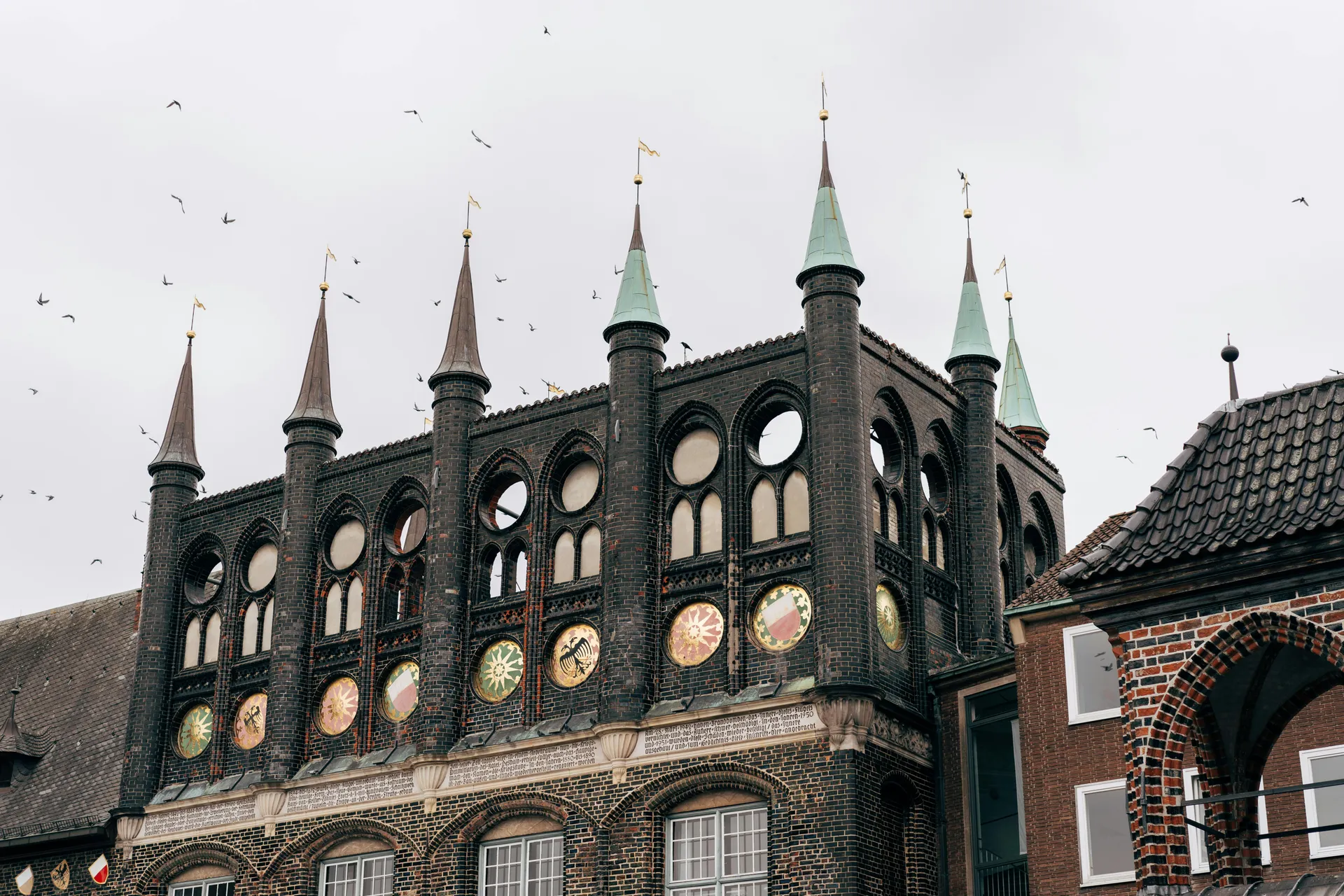
Lübeck
Germany
City Overview
Lübeck: Germany’s medieval "Queen of the Hanseatic League," where red-brick Gothic architecture and maritime history collide.
Access:
- By air: Hamburg Airport (HAM) – 65 km southwest; direct trains (45 min) or buses (1h 15min) to Lübeck.
- By train: Lübeck Hauptbahnhof (main station) – ICE/IC connections from Hamburg (40 min), Berlin (2.5h), and Copenhagen (4.5h).
Main Zones/Districts:
- Altstadt (Old Town) – UNESCO-listed core with Holstentor, Marienkirche, and Rathaus; pedestrianized, dense with historic landmarks.
- St. Lorenz & St. Gertrud (North of Altstadt) – Residential/industrial mix; key sites: Burgtor, St. Lorenz Church, and Lübeck’s main port (Skandinavienkai ferry terminal).
- St. Jürgen (South of Altstadt) – Upscale area with parks (e.g., Stadtpark), the University of Lübeck, and the Hanse Museum.
Quick Booking
Weather Forecast
20 °C
Practical Information
Emergency Contact Numbers
Police : 110
Fire : 112
Ambulance : 112
Currency & Conversion

0.88 EUR
Electrical Plugs
Voltage : Not available
Plug Type : C,F
Culture & Etiquette
Cultural Summary of Lübeck
Historical Identity
Lübeck is known as the "Queen of the Hanseatic League." It was a dominant medieval trading power in Northern Europe. The city’s well-preserved Old Town reflects its Hanseatic heritage. UNESCO designated it a World Heritage Site in 1987. Lübeck’s history is tied to trade, maritime influence, and Gothic architecture.
Three Major Cultural Sites or Museums
Holstentor
- A 15th-century city gate and symbol of Lübeck.
- Houses a museum on Lübeck’s history and the Hanseatic League.
- Features medieval artifacts and exhibits on trade.
St. Mary’s Church (Marienkirche)
- A Gothic masterpiece and one of Germany’s largest brick churches.
- Known for its broken bells—a WWII memorial.
- Houses the world’s largest mechanical organ (10,000 pipes).
European Hansemuseum
- Dedicated to the Hanseatic League’s history.
- Interactive exhibits on trade, politics, and daily life.
- Located near the Old Town’s historic harbor.
Iconic Local Gastronomy
Marzipan
- Lübeck is the marzipan capital of the world.
- Niederegger is the most famous brand.
- Made from almonds, sugar, and rosewater.
Lübecker Rotspon
- A red wine aged in Lübeck’s cellars.
- Originally imported from Bordeaux in barrels.
- Gained fame during the Hanseatic era.
Labskaus
- A traditional sailors’ dish.
- Made from corned beef, potatoes, beets, and onions.
- Often served with a fried egg and pickles.