
 Back
Back 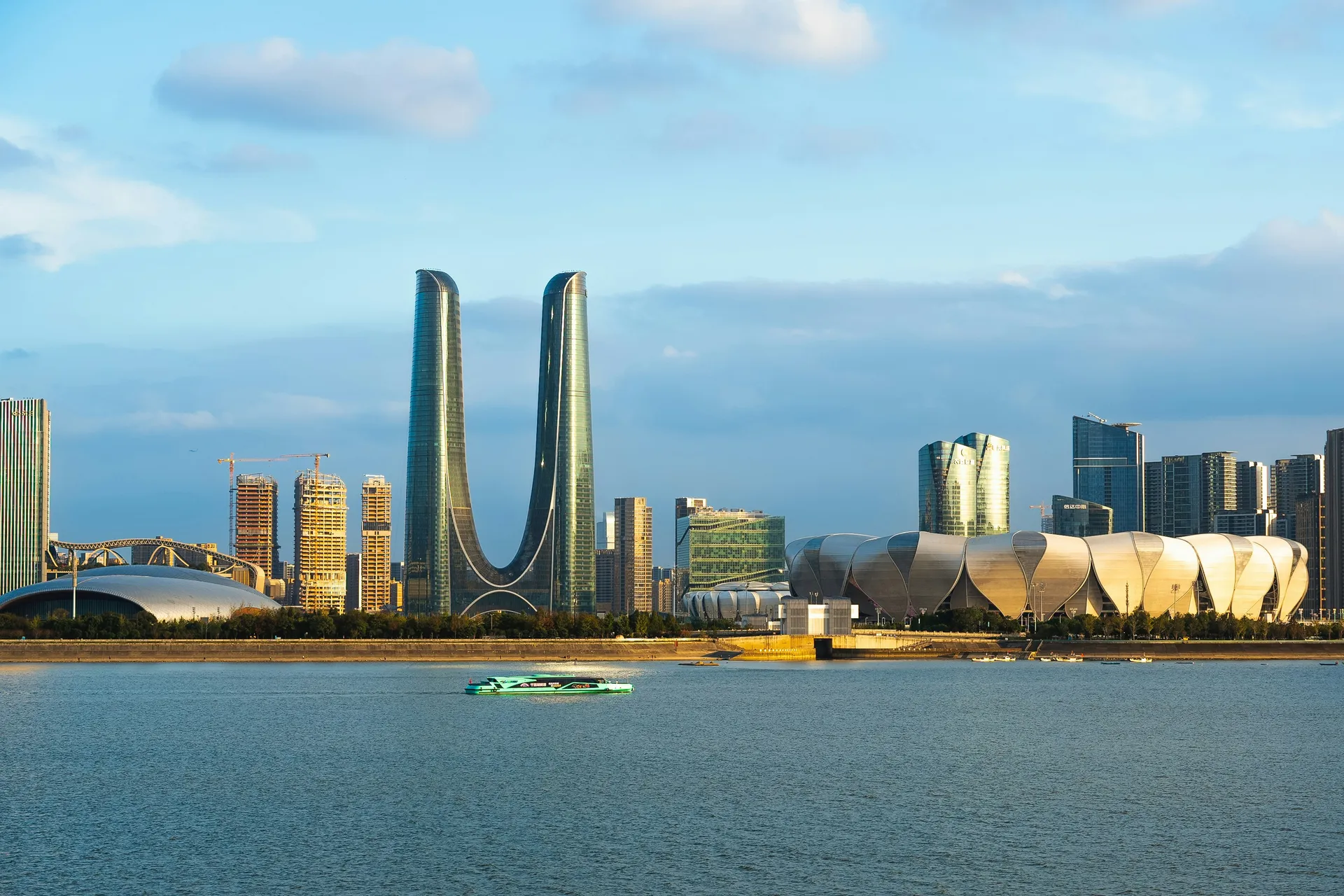
Hangzhou
China
City Overview
Hangzhou: China’s serene lakeside paradise, where imperial history meets modern elegance.
Access:
- Air: Hangzhou Xiaoshan International Airport (HGH), 30 km east of the city, with domestic/international flights.
- Rail: High-speed trains (G/D-series) from Shanghai (1h), Beijing (4.5h), and other major cities to Hangzhou East Railway Station.
Key Districts/Zones:
- West Lake (Xī Hú) Area – Iconic lake, temples (Lingyin, Leifeng), gardens, and cultural landmarks (Broken Bridge, Three Pools Mirroring the Moon).
- Qianjiang New Town – Modern business hub, skyscrapers (Hangzhou Grand Theatre, Zhejiang Fortune Finance Center), nightlife, and riverside promenades.
- Hefang Street (Qinghefang Ancient Street) – Historic pedestrian zone with Ming/Qing-era architecture, tea houses, and traditional crafts.
Quick Booking
Weather Forecast
Practical Information
Emergency Contact Numbers
Currency & Conversion

Electrical Plugs
Culture & Etiquette
Cultural Summary of Hangzhou
Historical Identity
Hangzhou is one of China’s most storied cities, with a history spanning over 2,200 years. It rose to prominence as the capital of the Southern Song Dynasty (1127–1279), becoming a center of art, trade, and scholarship.
The city was celebrated in classical Chinese poetry and paintings for its natural beauty, particularly West Lake. Marco Polo famously described it as "the finest and most splendid city in the world" during his visit in the 13th century.
Today, Hangzhou blends its imperial past with modern innovation, while preserving its reputation as a hub of Chinese culture and refinement.
Three Major Cultural Sites or Museums
West Lake (西湖, Xī Hú)
- A UNESCO World Heritage Site.
- The heart of Hangzhou’s cultural and historical identity.
- Features classical gardens, temples, and pavilions, many tied to legends and poetry.
- Key spots: Leifeng Pagoda, Broken Bridge, and the Three Pools Mirroring the Moon.
Lingyin Temple (灵隐寺, Língyǐn Sì)
- One of China’s most important Buddhist temples.
- Founded in 328 AD, with a history of over 1,600 years.
- Houses intricate rock carvings, ancient halls, and serene forest surroundings.
- A major pilgrimage site and symbol of Hangzhou’s spiritual heritage.
China National Tea Museum (中国茶叶博物馆, Zhōngguó Cháyè Bówùguǎn)
- Dedicated to Hangzhou’s deep connection with tea culture.
- Located near Longjing (Dragon Well) tea plantations.
- Exhibits the history, production, and rituals of Chinese tea.
- Offers tastings and demonstrations of traditional tea ceremonies.
Iconic Local Gastronomy
Dongpo Pork (东坡肉, Dōngpō Ròu)
- A rich, slow-braised pork belly dish.
- Named after the Song Dynasty poet Su Dongpo, who governed Hangzhou.
- Cooked with soy sauce, wine, and sugar until tender and caramelized.
Beggar’s Chicken (叫化鸡, Jiàohuā Jī)
- A whole chicken wrapped in lotus leaves and clay, then roasted.
- Legend says it was invented by a beggar who cooked it in mud.
- The clay is cracked open at the table, releasing aromatic steam.
Longjing Shrimp (龙井虾仁, Lóngjǐng Xiārén)
- Fresh river shrimp stir-fried with Longjing tea leaves.
- A delicate dish showcasing Hangzhou’s famous green tea.
- Light, fragrant, and slightly sweet.
Sweet Osmanthus Rice Cakes (桂花糕, Guìhuā Gāo)
- A traditional dessert made with glutinous rice and osmanthus flowers.
- Soft, chewy, and subtly floral.
- Often served during festivals or as a street snack.