
 Back
Back 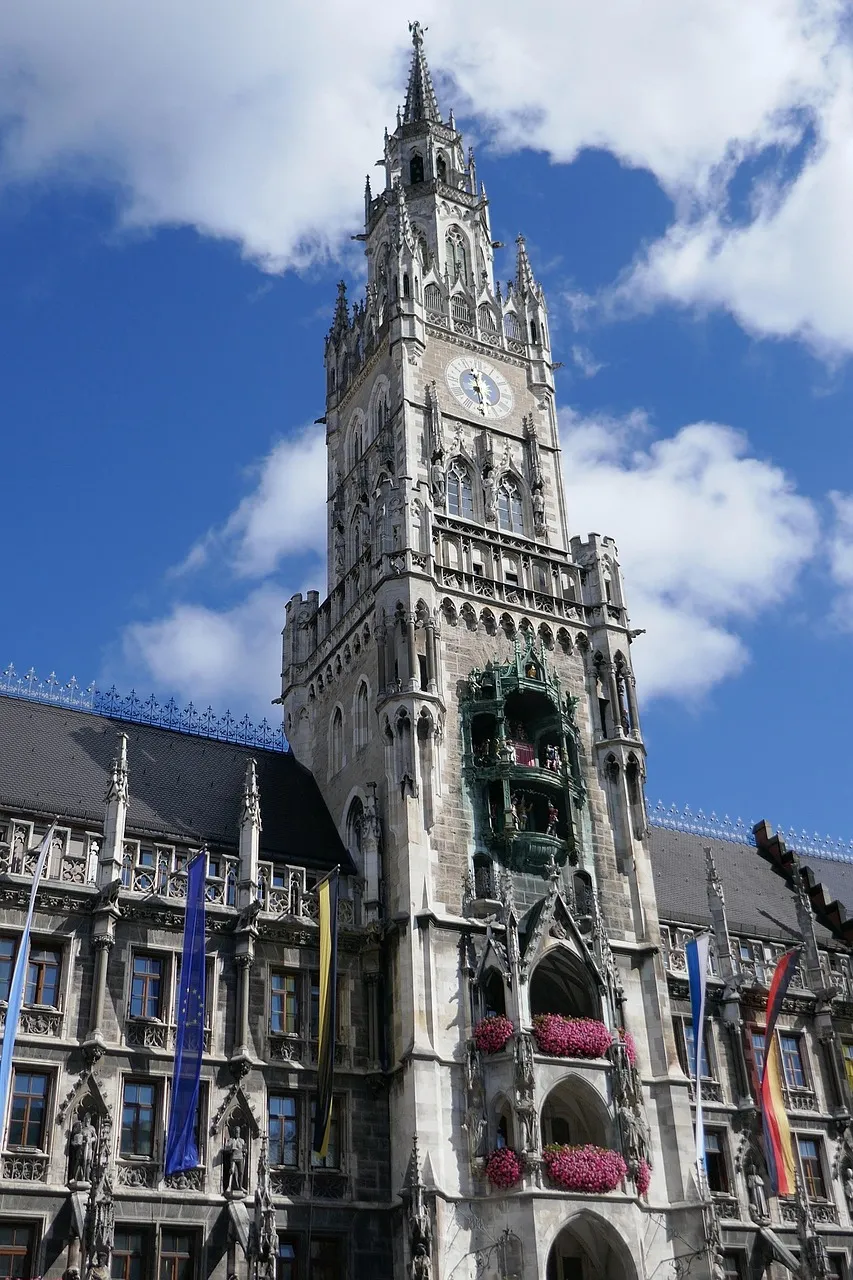
Munich
Germany
City Overview
Munich: Bavaria’s vibrant capital where imperial grandeur meets cutting-edge culture and beer-hall tradition.
Access
- By air: Munich Airport (MUC) – Germany’s second-busiest hub, 37 km northeast of the city, with direct S-Bahn (S1/S8) links to the center (40–50 mins).
- By rail: München Hauptbahnhof (Munich Central Station) – major ICE/IC hub with high-speed connections to Berlin (4h), Frankfurt (3h), Vienna (4h), and regional trains.
Key Districts
- Altstadt (Old Town) – Historic core with Marienplatz, Frauenkirche, Residenz, and shopping (Kaufingerstraße, Maximilianstraße); pedestrianized, tourist-heavy.
- Maxvorstadt – Academic/intellectual hub (LMU, TU Munich, Pinakotheken museums), student bars, and the Englischer Garten’s northern edge.
- Schwabing – Bohemian nightlife (Leopoldstraße), upscale dining, and the Englischer Garten’s southern half; former artists’ quarter turned trendy.
Quick Booking
Weather Forecast
21 °C
Practical Information
Emergency Contact Numbers
Police : 110
Fire : 112
Ambulance : 112
Currency & Conversion

0.88 EUR
Electrical Plugs
Voltage : Not available
Plug Type : C,F
Culture & Etiquette
Cultural Summary of Munich
Historical Identity
Munich is Bavaria’s capital and a city shaped by tradition and modernity.
It was founded in 1158 and grew under the Wittelsbach dynasty, which ruled for over 700 years. The city blends royal heritage with a lively arts scene.
Munich is known for its beer culture, grand architecture, and role in German history. It also hosts Oktoberfest, the world’s largest folk festival.
Three Major Cultural Sites or Museums
Marienplatz & New Town Hall (Neues Rathaus)
- The heart of Munich.
- Features the famous Glockenspiel, a clock tower with daily performances.
- Surrounded by historic buildings and lively squares.
Deutsches Museum
- One of the world’s largest science and technology museums.
- Covers aviation, physics, and engineering.
- A must-visit for history and innovation enthusiasts.
Alte Pinakothek
- A premier art museum.
- Houses European masterpieces from the 14th to 19th centuries.
- Includes works by Dürer, Rubens, and Rembrandt.
Iconic Local Gastronomy
Weißwurst (White Sausage)
- A Bavarian breakfast staple.
- Traditionally eaten before noon with sweet mustard and pretzels.
Schweinshaxe (Pork Knuckle)
- Crispy on the outside, tender inside.
- Served with sauerkraut and dumplings.
Brezn (Pretzel)
- A salty, twisted bread snack.
- Often paired with beer or mustard.
Obatzda
- A creamy cheese spread.
- Made with Camembert, butter, and paprika.
Apfelstrudel (Apple Strudel)
- A sweet pastry with spiced apples.
- Best served warm with vanilla sauce or whipped cream.