
 Back
Back 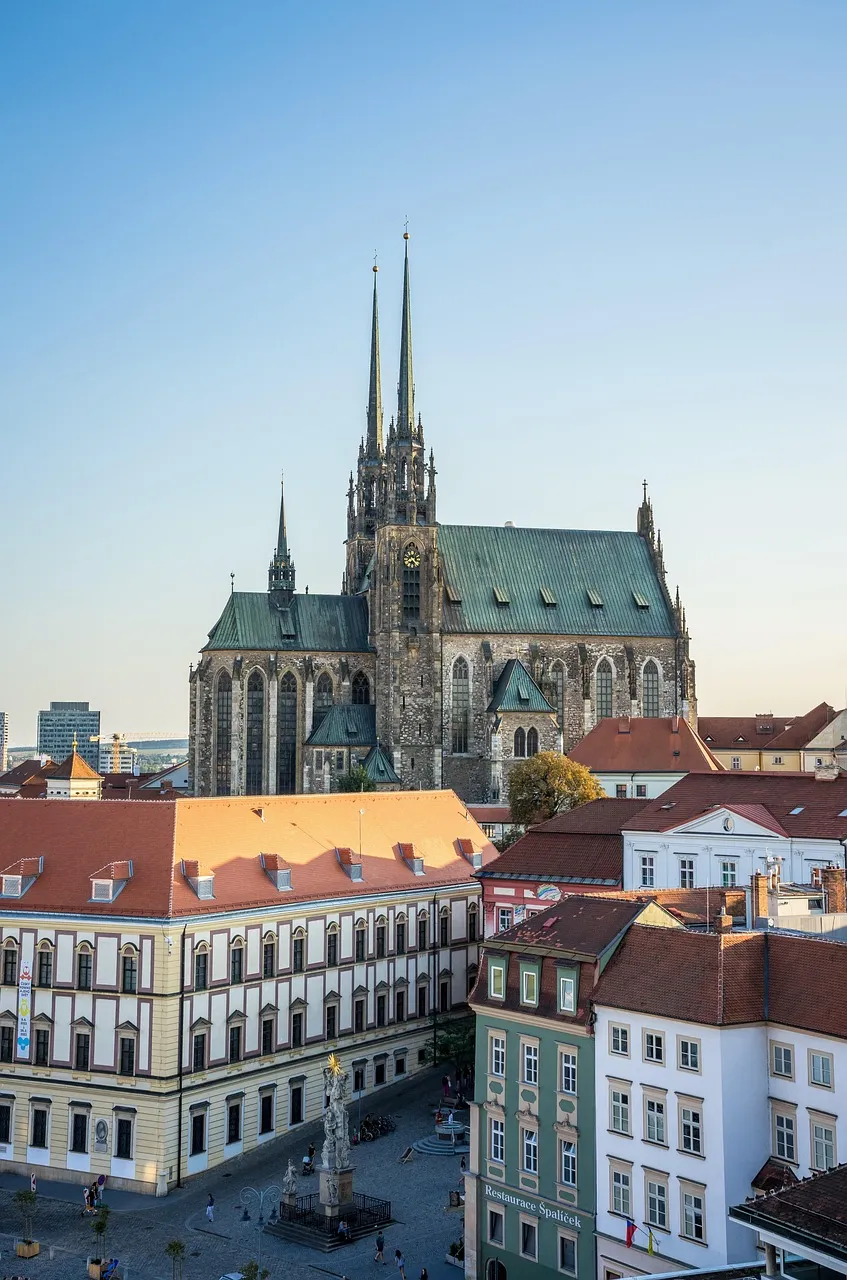
Brno
Czech Republic
City Overview
Brno: Czech Republic’s second city—where history, innovation, and Moravian culture collide in a compact, walkable hub.
Access
- By air: Brno-Tuřany Airport (BRQ) – limited international flights (mostly seasonal or budget carriers), with direct connections to London, Moscow, and Prague; 10 km southeast of the center (20-min taxi/bus #76).
- By train: Brno hlavní nádraží (Main Station) – major rail hub with high-speed connections to Prague (3 hrs), Vienna (1.5 hrs), Budapest (4 hrs), and Berlin (6 hrs); regional trains serve nearby towns like Olomouc and Ostrava.
Districts
- City Center (Střed) – Core of Brno: pedestrianized historic center (Zelný trh, Náměstí Svobody), Gothic/Baroque landmarks (Špilberk Castle, St. Peter & Paul Cathedral), museums, and nightlife (Café Falk, Super Panda Circus).
- Veveří – Student-heavy district north of the center: Masaryk University’s faculties, tech startups, affordable eateries (Bistro Franz, U Alberta), and the Brno Exhibition Centre (trade fairs).
- Černá Pole – Residential/industrial mix northeast of the center: functionalist architecture (Villa Tugendhat, UNESCO-listed), quiet parks (Lužánky), and the Brno Zoo (10-min tram from the center).
Quick Booking
Weather Forecast
21 °C
Practical Information
Emergency Contact Numbers
Police : 112 or 158
Fire : 112 or 150
Ambulance : 112 or 155
Currency & Conversion

—
Electrical Plugs
Voltage : Not available
Plug Type : C,E
Culture & Etiquette
Cultural Summary of Brno
Historical Identity
Brno is the second-largest city in the Czech Republic and the historical capital of Moravia.
It has been a key political, economic, and cultural center since the Middle Ages. The city blends Gothic, Renaissance, Baroque, and modernist architecture, reflecting its layered history.
Brno was a major industrial hub in the 19th and 20th centuries, shaping its identity as a dynamic, forward-looking city.
Three Major Cultural Sites or Museums
Špilberk Castle
- A dominant fortress overlooking the city.
- Originally a royal castle, later a prison and military barracks.
- Now houses the Brno City Museum, with exhibits on local history.
Villa Tugendhat
- A UNESCO-listed modernist masterpiece.
- Designed by architect Ludwig Mies van der Rohe in the 1920s.
- A key example of functionalist architecture.
Moravian Museum
- The second-largest museum in the Czech Republic.
- Features exhibits on natural history, archaeology, and ethnography.
- Includes the Bishop’s Palace and Anthropos Pavilion (prehistoric exhibits).
Iconic Local Gastronomy
Brno-style fried cheese (Smažený sýr)
- A popular Czech dish, often served with tartar sauce and potatoes.
Moravian wines
- The region is known for its vineyards.
- Local varieties include Riesling, Grüner Veltliner, and Frankovka.
Brno sausages (Brněnské párky)
- Smoked sausages, often grilled and served with mustard and bread.
Kofola
- A Czech soft drink, similar to cola, often enjoyed locally.