
 Back
Back 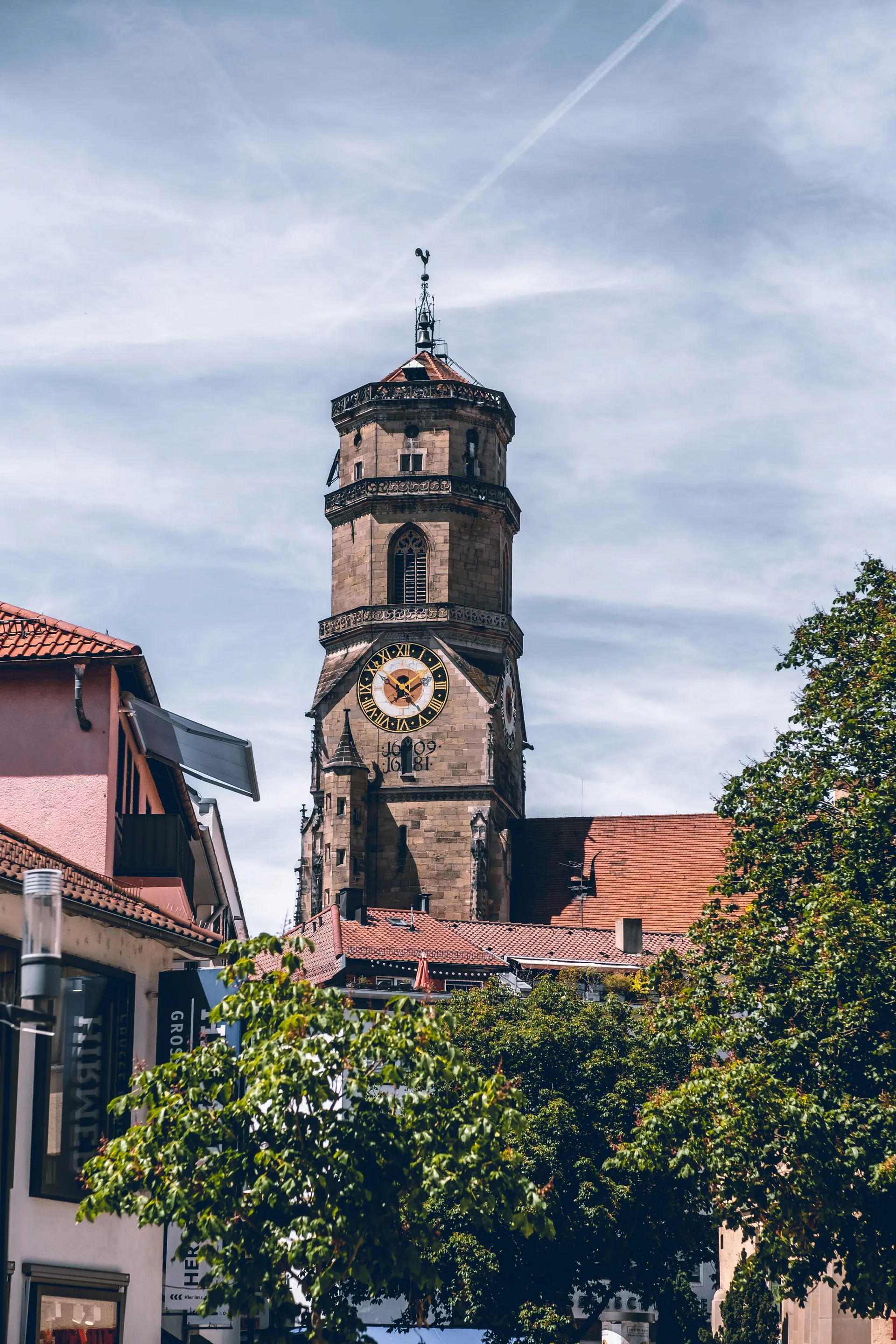
Stuttgart
Germany
City Overview
Stuttgart: Germany’s automotive and wine hub, blending industrial heritage with green hills and Swabian culture.
Access:
- Air: Stuttgart Airport (STR) – 13 km south of the city, connected by S-Bahn (S2/S3) in 30 minutes.
- Rail: Stuttgart Hauptbahnhof (main station) – ICE high-speed trains link to major German/European cities (e.g., Frankfurt in 1.5h, Munich in 2.5h).
Districts/Zones:
- City Center (Mitte): Core of Stuttgart – pedestrianized Königstraße (shopping), Schlossplatz (palaces), and cultural landmarks (State Opera, State Gallery).
- Bad Cannstatt: Historic spa district – mineral baths (Wilhelma Zoo & Botanical Garden), Cannstatter Wasen (annual beer festival), and vineyards.
- Stuttgart-West: Trendy, residential – cafés, nightlife (Theodor-Heuss-Straße), and proximity to the Weinwanderweg (wine hiking trail).
Quick Booking
Weather Forecast
Practical Information
Emergency Contact Numbers
Currency & Conversion

Electrical Plugs
Culture & Etiquette
Cultural Summary of Stuttgart
Historical Identity
Stuttgart’s identity is shaped by its dual role as a royal residence and an industrial powerhouse.
Founded in the 10th century as a stud farm (Stutengarten), it became the capital of Württemberg in the 15th century. The city flourished under the House of Württemberg, blending Swabian traditions with aristocratic influence.
In the 19th and 20th centuries, Stuttgart evolved into a hub for automotive innovation (home to Mercedes-Benz and Porsche) while retaining its cultural heritage.
Three Major Cultural Sites & Museums
Staatsgalerie Stuttgart
- A modern and classical art museum.
- Houses works by Picasso, Beckmann, and Otto Dix.
- Features a striking postmodern extension by James Stirling.
Alte Schloss (Old Castle)
- A Renaissance palace with roots in the 10th century.
- Former residence of the Württemberg dukes.
- Now home to the Württemberg State Museum, showcasing regional history.
Mercedes-Benz Museum
- A futuristic museum dedicated to automotive history.
- Traces the evolution of the car industry from 1886 to today.
- Interactive exhibits highlight Stuttgart’s engineering legacy.
Iconic Local Gastronomy
Maultaschen
- Swabia’s signature dish: stuffed pasta pockets (meat or vegetarian).
- Often served in broth or pan-fried with onions.
Linsen mit Spätzle und Saitenwürstchen
- Lentils with handmade noodles and small sausages.
- A hearty, traditional Swabian comfort food.
Schwäbischer Zwiebelkuchen
- A savory onion tart with a buttery crust.
- Typically enjoyed in autumn with new wine (Federweisser).
Stuttgarter Hofbräu Beer
- A local brewery with a history dating back to 1872.
- Known for pilsners and seasonal brews.