
 Back
Back 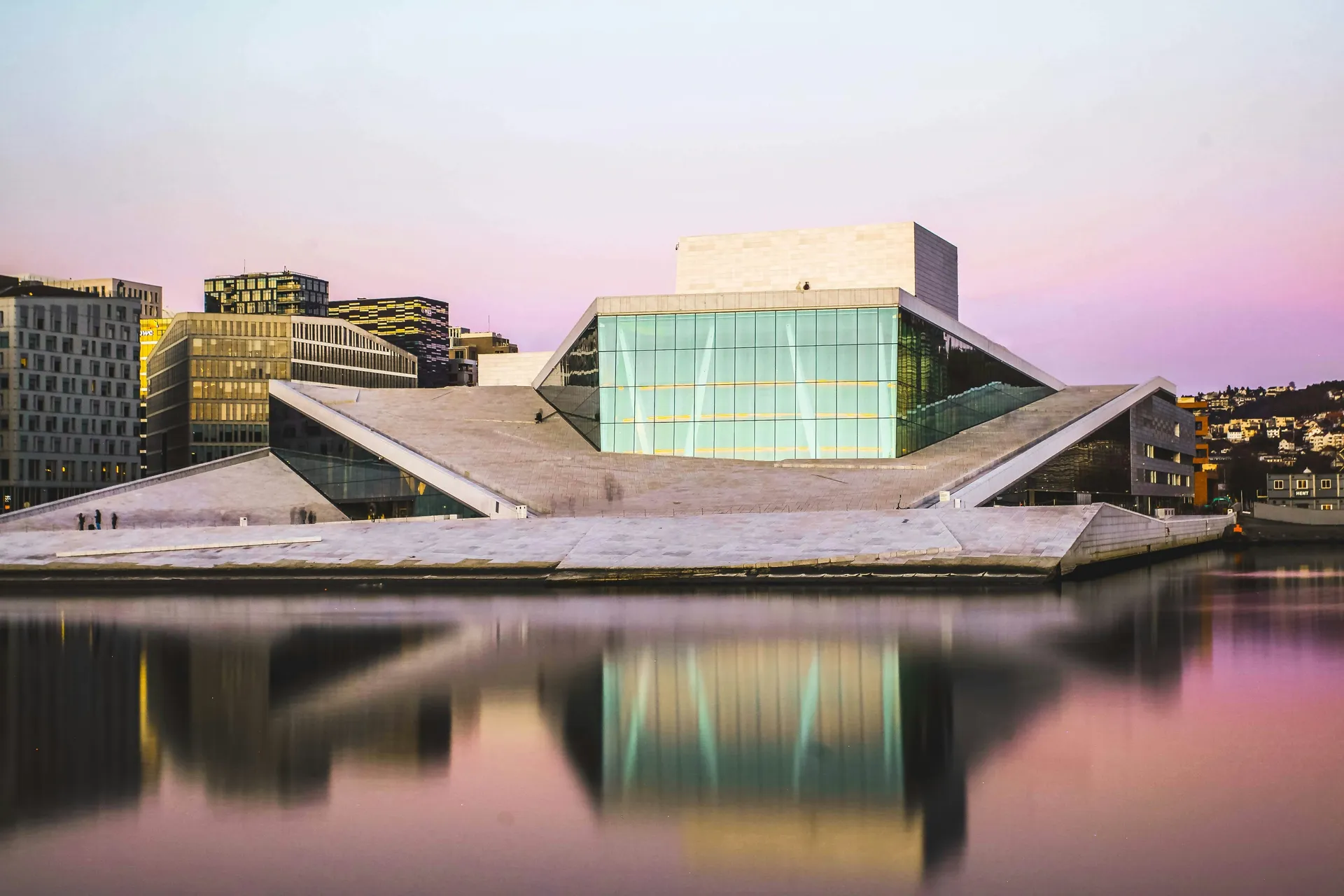
Oslo
Norway
City Overview
Oslo: Norway’s sleek, fjord-framed capital blending urban efficiency with raw Nordic nature.
Access:
- By air: Oslo Airport (OSL) – Scandinavia’s second-largest hub, 45 km northeast, linked by high-speed train (20 min) or bus (50 min).
- By sea: Oslo Port (Oslo Havn) – International ferries from Denmark (Copenhagen, Frederikshavn) and Germany (Kiel), plus cruise terminals.
Districts:
- Sentrum (City Center) – Core of museums (Munch, Nobel Peace Center), shopping (Karl Johans gate), and transport hubs (Central Station).
- Frogner/Vigeland – Upscale residential zone with the Vigeland Sculpture Park, embassies, and the royal palace.
- Grünerløkka – Hipster epicenter: indie cafés, vintage shops, nightlife (Thorvald Meyers gate), and the Akerselva River trail.
Quick Booking
Weather Forecast
22 °C
Practical Information
Emergency Contact Numbers
Police : 112
Fire : 110
Ambulance : 113
Currency & Conversion

—
Electrical Plugs
Voltage : Not available
Plug Type : C,F
Culture & Etiquette
Cultural Summary of Oslo
Historical Identity
Oslo blends Viking heritage with modern Scandinavian identity.
Founded in 1040, it became Norway’s capital in 1299. The city was rebuilt after fires, shifting from medieval roots to a neoclassical layout in the 19th century. Today, it balances tradition with contemporary design, reflecting Norway’s progressive values.
Three Major Cultural Sites & Museums
Vigeland Sculpture Park
- Largest sculpture park by a single artist (Gustav Vigeland).
- Features over 200 bronze and granite works, including the iconic Monolith.
- Free and open year-round.
Norwegian Museum of Cultural History
- Open-air museum showcasing Norway’s rural and urban history.
- Includes 160 historic buildings, such as stave churches and traditional homes.
- Offers folk dancing and craft demonstrations in summer.
Munch Museum
- Dedicated to Edvard Munch, Norway’s most famous artist.
- Houses The Scream and other key works.
- Modern architecture with rotating exhibitions.
Iconic Local Gastronomy
- Lutefisk – Dried fish treated with lye, served with bacon and peas.
- Kjøttkaker – Norwegian meatballs, often with mashed potatoes and lingonberries.
- Rakfisk – Fermented trout, a polarizing traditional dish.
- Brunost – Sweet brown cheese, typically eaten on waffles or bread.
- Waffles – Served with jam, sour cream, or brunost, a staple snack.