
 Back
Back 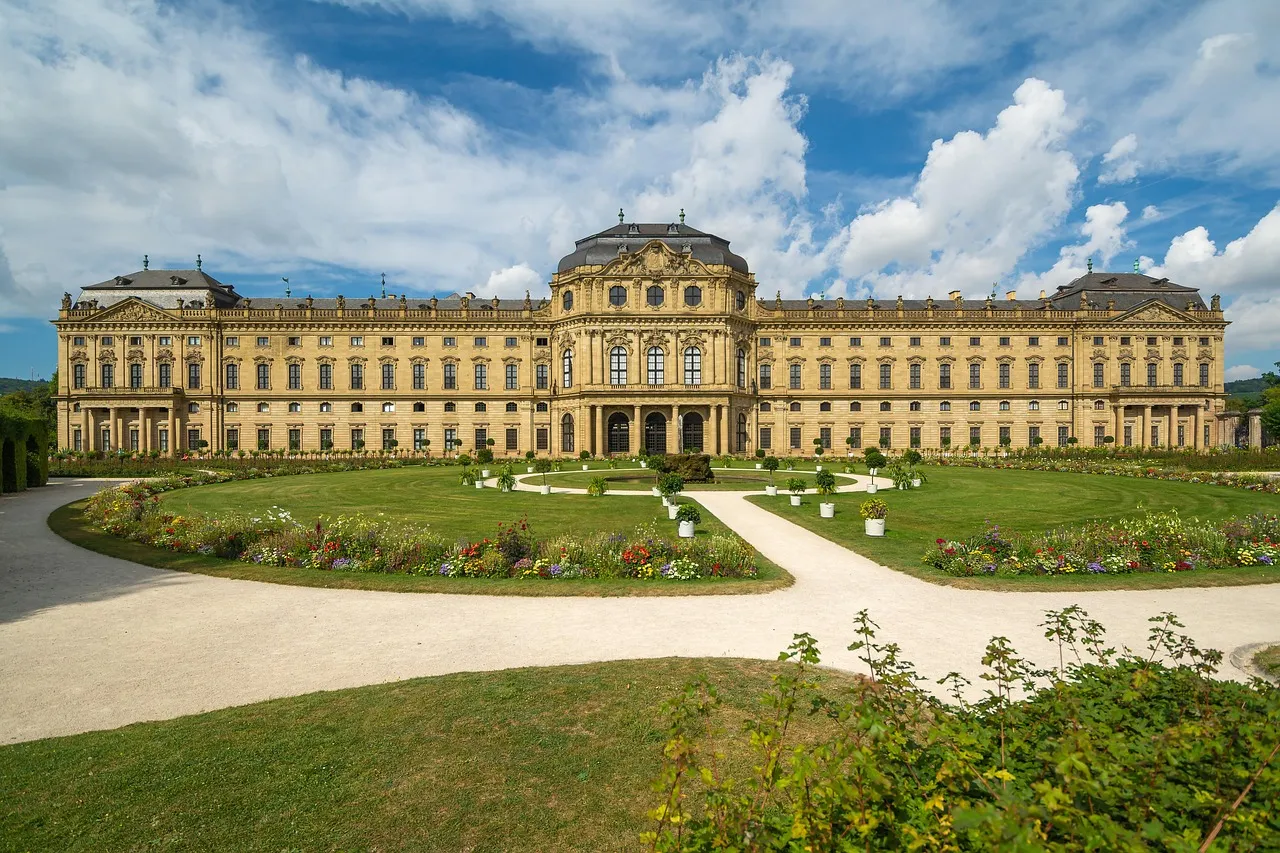
Würzburg
Germany
City Overview
Würzburg: A Baroque jewel on the Main River, blending imperial history, vineyard-laced hills, and Franconian charm.
Access:
- By train – Würzburg Hauptbahnhof (main station) is a major ICE hub, with direct high-speed links to Frankfurt (1h 15m), Munich (2h), Nuremberg (1h), and Berlin (3h 30m).
- By car – Located at the intersection of the A3 (Cologne–Frankfurt–Nuremberg) and A7 (Hamburg–Ulm) autobahns; 1h 30m from Frankfurt Airport.
Main Zones/Districts:
- Altstadt (Old Town) – Core of the city, home to the UNESCO-listed Residenz, Marienberg Fortress, Alte Mainbrücke (Old Main Bridge), and the Dom St. Kilian cathedral; pedestrianized center with Baroque architecture, wine taverns (Weinstuben), and the Marktplatz (market square).
- Zellerau & Mainviertel – Riverside districts along the Main River, featuring the Hofgarten (court garden), Käppele pilgrimage church (Rococo landmark), and Alte Universität (Old University); quieter, with vineyard trails and beer gardens.
- Sanderau & Frauenland – Residential and academic areas south of the Altstadt, hosting the University of Würzburg (campus hub), Botanical Garden, and Frankenwarte (viewpoint with panoramic city vistas); less touristy, with local eateries and student bars.
Quick Booking
Weather Forecast
19 °C
Practical Information
Emergency Contact Numbers
Police : 110
Fire : 112
Ambulance : 112
Currency & Conversion

0.88 EUR
Electrical Plugs
Voltage : Not available
Plug Type : C,F
Culture & Etiquette
Cultural Summary of Würzburg
Historical Identity
Würzburg is a historic city in Bavaria, Germany, with roots dating back to the 7th century. It flourished as a religious and political center under the Prince-Bishops, who shaped its Baroque architecture and cultural legacy. The city was heavily damaged in World War II but meticulously rebuilt, preserving its artistic and intellectual heritage.
Three Major Cultural Sites or Museums
Würzburg Residence (UNESCO World Heritage Site)
- A masterpiece of Baroque architecture.
- Designed by Balthasar Neumann.
- Features the grand Imperial Hall and Mirror Cabinet.
- Houses the Martin von Wagner Museum with art collections.
Marienberg Fortress
- A medieval fortress overlooking the city.
- Former residence of the Prince-Bishops.
- Contains the Mainfränkisches Museum (Franconian Museum).
- Exhibits regional history, art, and archaeology.
Käppele (Pilgrimage Church of the Visitation)
- A Rococo-style church by Balthasar Neumann.
- Known for its intricate stucco work and frescoes.
- A key religious and architectural landmark.
Iconic Local Gastronomy
Franconian Wine
- Würzburg is at the heart of Franconia’s wine country.
- Famous for dry, mineral-rich Silvaner and Riesling wines.
- Served in distinctive Bocksbeutel (flattened bottle).
Schäufele (Pork Shoulder)
- A traditional Franconian dish.
- Slow-roasted with dark beer and spices.
- Often served with dumplings or sauerkraut.
Würzburger Bratwurst
- A local sausage, longer than the Nuremberg variety.
- Grilled and served with mustard and bread.
- Best enjoyed at the Bratwursthäusle near the Old Main Bridge.