
 Back
Back 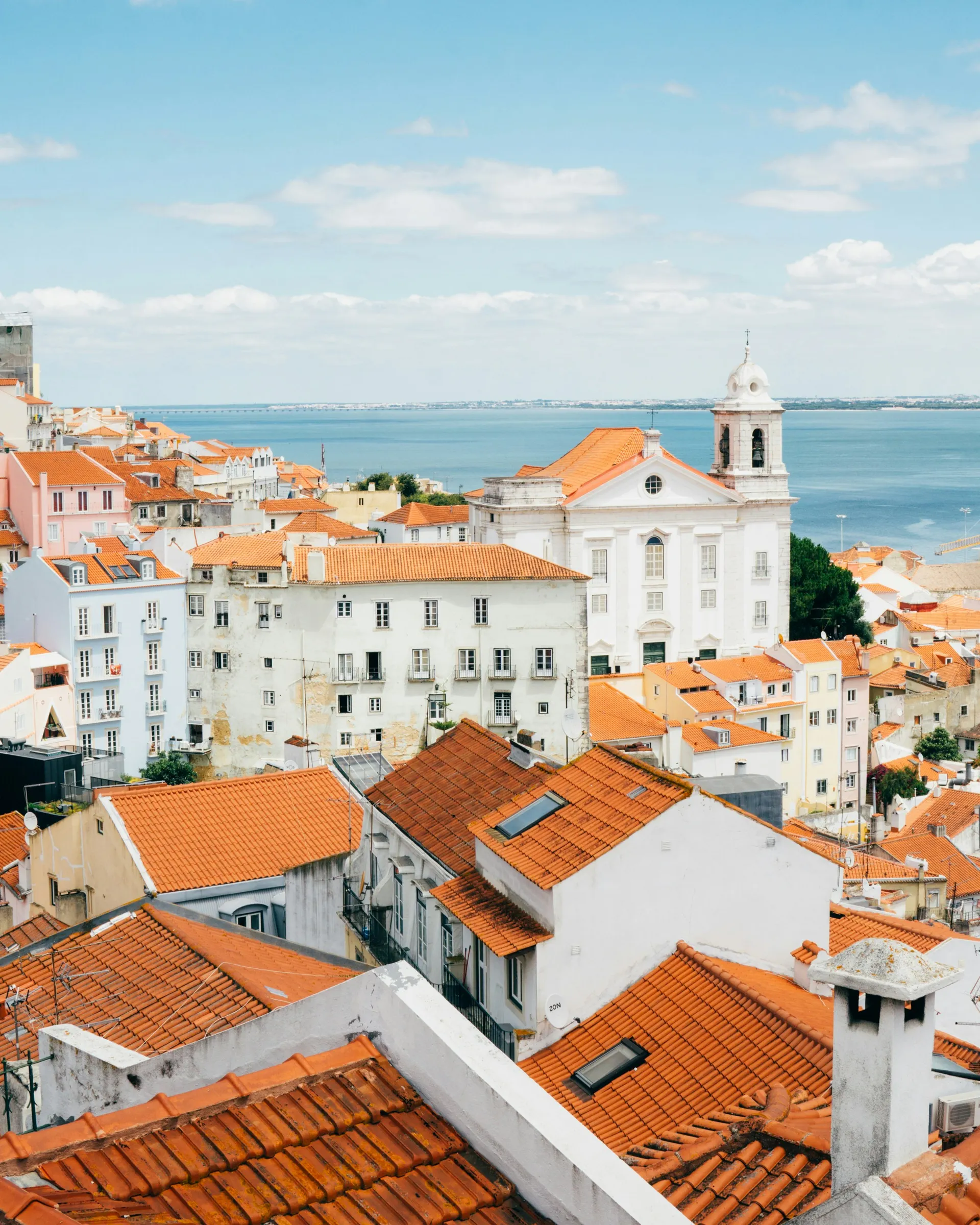
Lisbon
Portugal
City Overview
Lisbon: Europe’s sun-drenched, hilltop capital where historic charm collides with vibrant modern energy.
Access
- By air: Humberto Delgado Airport (LIS), 7 km north of the city center, with metro (Red Line) and bus connections.
- By train: Santa Apolónia (international/long-distance) and Oriente (high-speed) stations, both linked to metro and buses.
Main Zones/Districts
- Baixa & Chiado – Flat, grid-planned downtown with grand plazas (Praça do Comércio, Rossio), shopping (Rua Augusta), and 18th-century Pombaline architecture.
- Alfama – Oldest district, labyrinthine alleys, Moorish influence, São Jorge Castle, Fado music hub, and panoramic viewpoints (Miradouros).
- Belém – Riverside area with maritime history, UNESCO sites (Jerónimos Monastery, Belém Tower), and the iconic Pastéis de Belém bakery.
Quick Booking
Weather Forecast
25 °C
Practical Information
Emergency Contact Numbers
Police : 112
Fire : 112
Ambulance : 112
Currency & Conversion

0.88 EUR
Electrical Plugs
Voltage : Not available
Plug Type : C,F
Culture & Etiquette
Cultural Summary of Lisbon
Historical Identity
Lisbon is one of Europe’s oldest cities, with roots stretching back to Phoenician and Roman times.
It flourished as a global trading hub during the Age of Discoveries (15th–16th centuries). The 1755 earthquake reshaped the city, leading to its distinctive Pombaline architecture.
Today, Lisbon blends historic charm with a vibrant, modern cultural scene.
Three Major Cultural Sites & Museums
Belém Tower (Torre de Belém)
- A UNESCO-listed fortress symbolizing Portugal’s maritime golden age.
- Built in the 16th century as a gateway to the city.
Jerónimos Monastery (Mosteiro dos Jerónimos)
- A masterpiece of Manueline architecture.
- Houses the tomb of explorer Vasco da Gama.
National Tile Museum (Museu Nacional do Azulejo)
- Showcases Portugal’s iconic azulejo (tile) art.
- Traces the history of tilework from the 15th century to today.
Iconic Local Gastronomy
- Pastel de Nata – A creamy custard tart, best enjoyed with cinnamon.
- Bacalhau (Salted Cod) – Prepared in countless ways, a staple of Portuguese cuisine.
- Ginjinha – A sweet cherry liqueur, often served in chocolate cups.