
 Back
Back 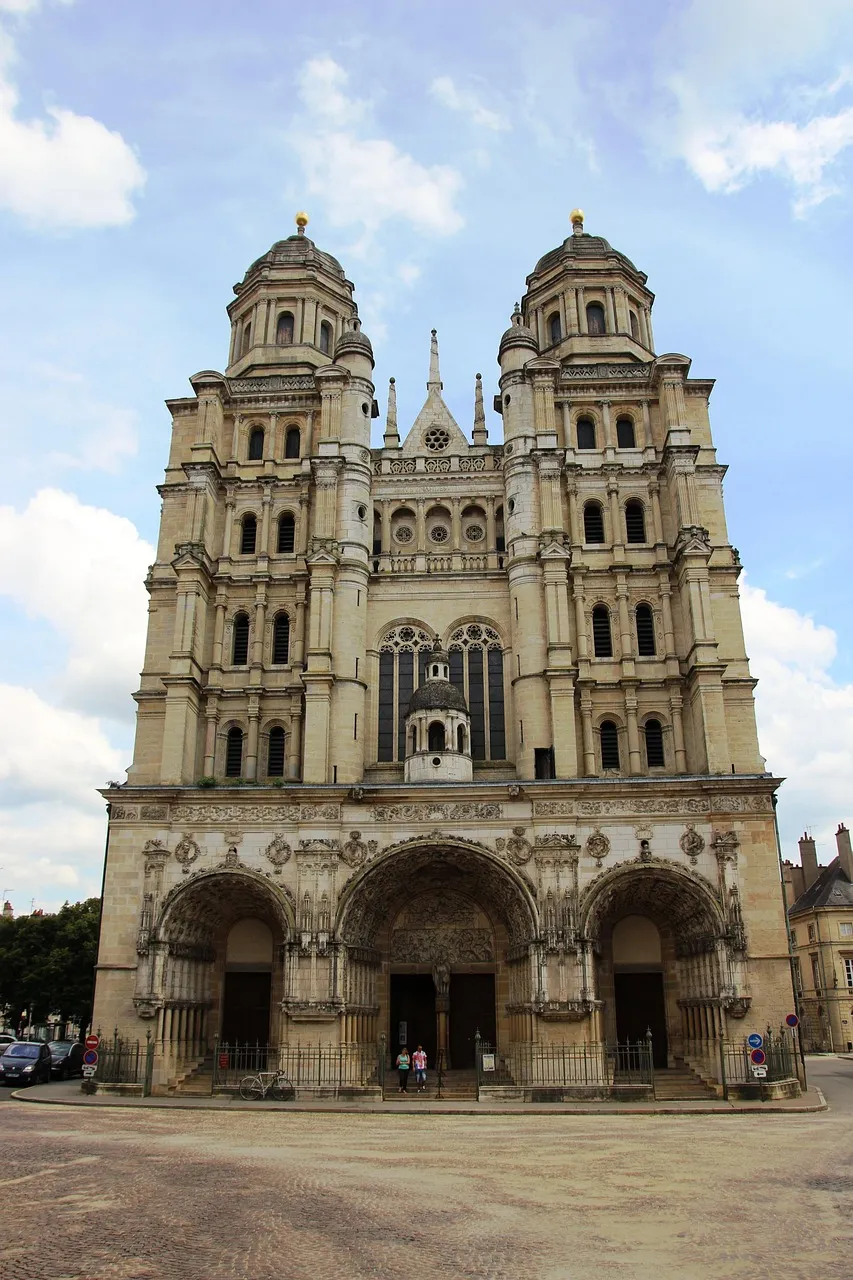
Dijon
France
City Overview
Dijon: Burgundy’s historic capital, where medieval grandeur meets world-famous mustard and wine culture.
Access:
- By train – High-speed TGV from Paris (1.5 hours) or Lyon (2 hours); regional TER trains connect to nearby cities.
- By car – A6 and A31 highways link Dijon to Paris (3 hours), Lyon (2 hours), and Geneva (2.5 hours).
Key Districts:
- City Center (Ville de Dijon) – Core of historic landmarks (Palace of the Dukes, Notre-Dame, Rue des Forges), museums, and mustard shops.
- Saint-Michel / Les Antiquaires – Lively student area with bars, vintage shops, and the Saint-Michel church; borders the university.
- Toison d’Or / Clemenceau – Modern commercial hub with shopping malls (Toison d’Or), parks, and the Parc des Expositions convention center.
Quick Booking
Weather Forecast
27 °C
Practical Information
Emergency Contact Numbers
Police : 112 or 17
Fire : 112 or 18
Ambulance : 112 or 15
Currency & Conversion

0.88 EUR
Electrical Plugs
Voltage : Not available
Plug Type : C,E
Culture & Etiquette
Cultural Summary of Dijon, France
Historical Identity
Dijon is the historic capital of Burgundy. It flourished under the Valois Dukes (14th–15th centuries), becoming a center of art, politics, and trade. The city retains a rich medieval and Renaissance heritage, visible in its architecture and traditions. Dijon was also a key stop on the Spiteful Route (Route des Grands Crus), linking it to Burgundy’s wine culture.
Three Major Cultural Sites or Museums
Palace of the Dukes of Burgundy (Palais des Ducs et des États de Bourgogne)
- A grand 14th–18th century complex.
- Houses the Fine Arts Museum (Musée des Beaux-Arts), one of France’s oldest.
- Features medieval sculptures, Renaissance paintings, and the Tombs of the Dukes of Burgundy.
Notre-Dame de Dijon
- A 13th-century Gothic church.
- Famous for its Jacquemart clock (14th century) and intricate facade.
- Home to the Black Madonna, a revered religious statue.
Musée de la Vie Bourguignonne (Museum of Burgundian Life)
- Showcases traditional Burgundian crafts, costumes, and daily life.
- Located in the Monastery of the Bernardines.
- Includes exhibits on Dijon’s mustard-making history.
Iconic Local Gastronomy
- Bœuf Bourguignon – Beef slow-cooked in red wine with mushrooms and onions.
- Escargots de Bourgogne – Snails baked with garlic-parsley butter.
- Pain d’Épices – Spiced honey bread, a Dijon specialty since the Middle Ages.
- Dijon Mustard – The city’s most famous export, known for its sharp, tangy flavor.
- Crème de Cassis – A blackcurrant liqueur used in the Kir cocktail (white wine + cassis).