
 Back
Back 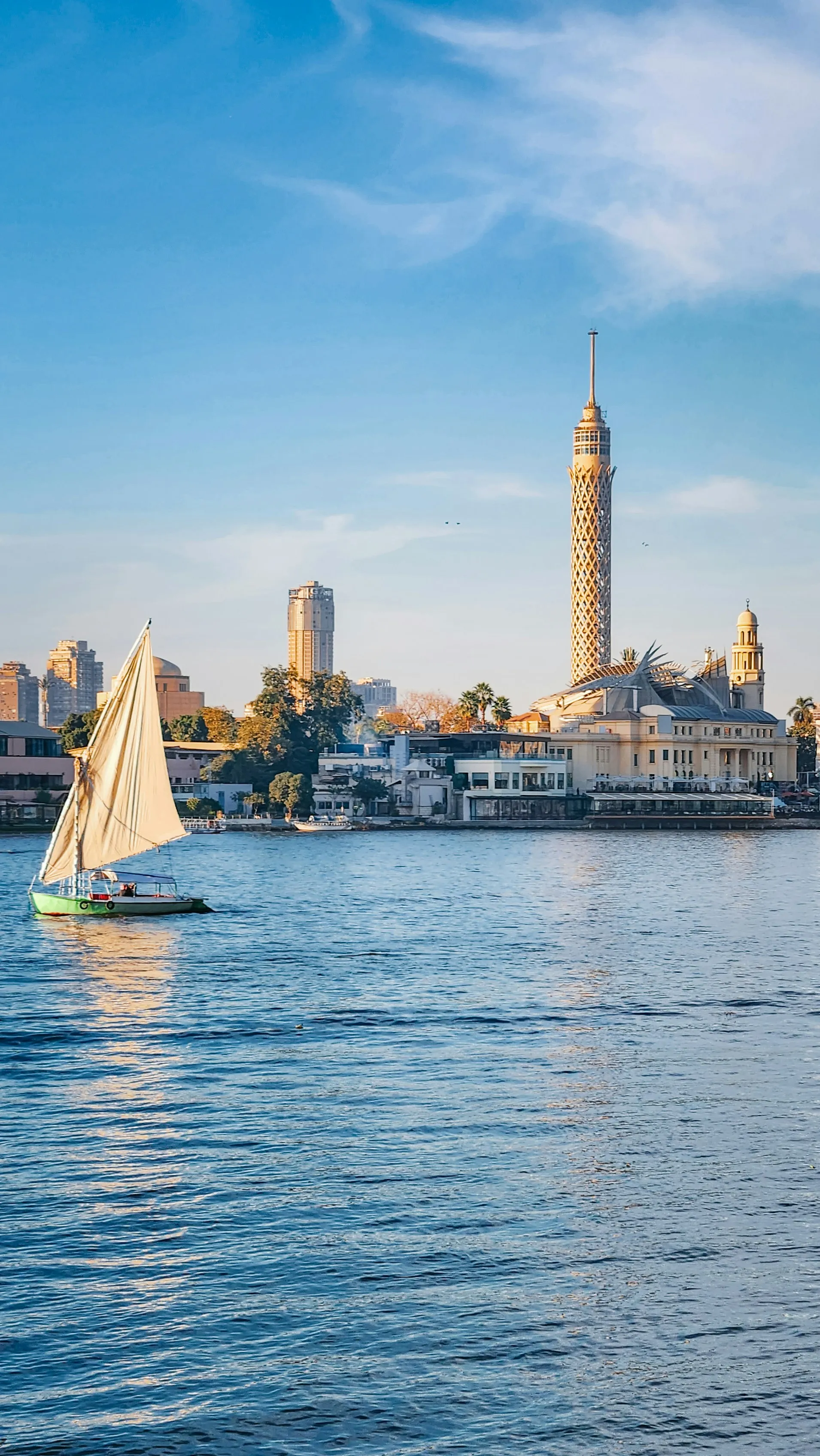
Cairo
Egypt
City Overview
Cairo: The chaotic, timeless heart of Egypt where ancient wonders collide with frenetic modern life.
How to access it:
- By air: Cairo International Airport (CAI), 22 km northeast of downtown, served by global carriers and EgyptAir.
- By land: Major highways (e.g., Desert Road from Alexandria, Upper Egypt routes) and rail links (Egyptian National Railways from Luxor, Aswan, Alexandria).
Three main zones/districts:
- Downtown (Khedival Cairo): Grid-layout colonial core with government buildings, hotels (e.g., Nile Hilton), Tahrir Square, and the Egyptian Museum.
- Islamic Cairo (Old Cairo): Labyrinthine medieval streets, mosques (Al-Azhar, Sultan Hassan), Khan el-Khalili bazaar, and the Citadel.
- Giza (West Bank): Separate municipality housing the Pyramids of Giza, Sphinx, and Saqqara necropolis (30–45 mins from central Cairo).
Quick Booking
Weather Forecast
43 °C
Practical Information
Emergency Contact Numbers
Police : 112 or 122
Fire : 180
Ambulance : 123
Currency & Conversion

—
Electrical Plugs
Voltage : Not available
Plug Type : C,F
Culture & Etiquette
Cultural Summary of Cairo
Historical Identity
Cairo is Egypt’s sprawling capital. It blends ancient history with modern energy.
Founded in 969 AD, it became a center of Islamic learning and trade. The city preserves layers of Pharaonic, Coptic, and Islamic heritage.
Today, it remains a cultural hub of the Arab world.
Three Major Cultural Sites or Museums
The Egyptian Museum
- Houses over 120,000 artifacts.
- Includes treasures from Tutankhamun’s tomb.
- A must-see for ancient Egyptian history.
The Citadel of Saladin
- A medieval Islamic fortress.
- Offers panoramic views of the city.
- Home to the stunning Mosque of Muhammad Ali.
Coptic Cairo
- One of the oldest Christian communities in the world.
- Features the Hanging Church and Ben Ezra Synagogue.
- A key site for religious and architectural history.
Iconic Local Gastronomy
- Koshari – A mix of rice, lentils, pasta, and crispy onions. Topped with spicy tomato sauce.
- Ful Medames – Mashed fava beans, often eaten for breakfast. Served with oil, garlic, and lemon.
- Taameya – Egyptian falafel made from fava beans. Crispy and flavorful.
- Molokhia – A green soup made from jute leaves. Served with rice or bread.
- Umm Ali – A traditional dessert. A sweet bread pudding with nuts and raisins.