
 Back
Back 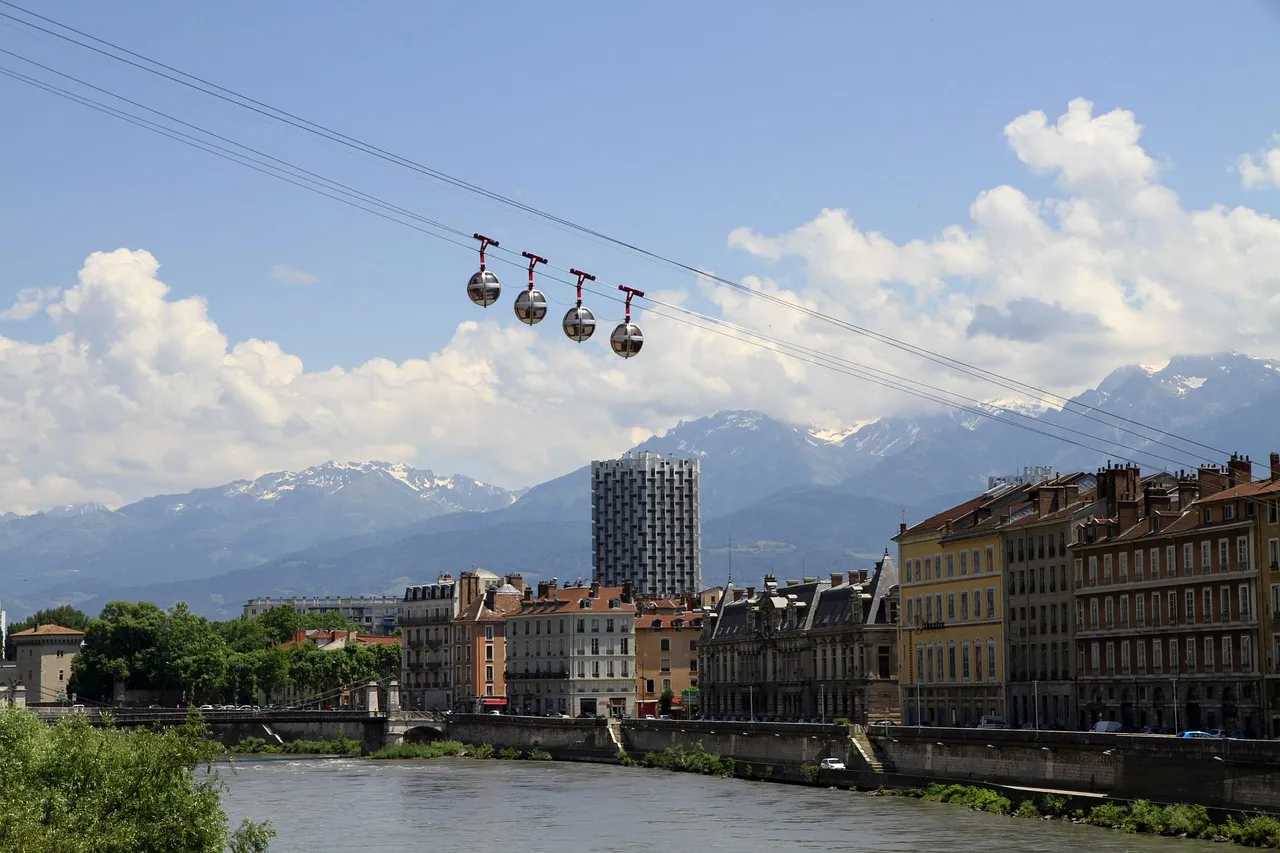
Grenoble
France
City Overview
Grenoble: The Alpine Gateway Where Science Meets Dramatic Peaks.
Access:
- By Air: Grenoble-Isère Airport (GNB), 40 km northwest, with seasonal flights (mostly winter) and limited year-round connections; Lyon-Saint Exupéry (LYS) is the primary alternative (1h by bus/shuttle).
- By Train: High-speed TGV from Paris (3h), Lyon (1h), or Marseille (2.5h) to Gare de Grenoble; regional TER trains link to Annecy, Chambéry, and Valence.
Districts:
- City Center (Hyper-Centre): Compact, pedestrianized core with historic landmarks (Bastille fortress, Notre-Dame Cathedral), museums (Musée de Grenoble), and dense dining/shopping (Rue de Bonne, Place Grenette).
- Europole: Modern business hub north of the center, home to the Grenoble Alpes University campus, Polygone Scientifique (research labs like CEA and ESRF), and the World Trade Center.
- Saint-Martin-d’Hères: Suburban university district (UGA’s main campus) with student-heavy nightlife (bars, cheap eats), the Alpexpo convention center, and green spaces (Parc Paul Mistral).
Quick Booking
Weather Forecast
29 °C
Practical Information
Emergency Contact Numbers
Police : 112 or 17
Fire : 112 or 18
Ambulance : 112 or 15
Currency & Conversion

0.88 EUR
Electrical Plugs
Voltage : Not available
Plug Type : C,E
Culture & Etiquette
Cultural Summary of Grenoble
Historical Identity
Grenoble is a city with deep Alpine roots and a rich intellectual legacy.
It was a key Roman settlement (Cularo) before becoming a medieval stronghold. The city flourished in the 19th century as a hub for glove-making and hydroelectric innovation. Today, it blends its industrial past with a vibrant academic and scientific community, earning the nickname "Capital of the Alps."
Three Major Cultural Sites & Museums
Musée de Grenoble
- One of France’s oldest fine arts museums.
- Houses an impressive collection from the 13th to 21st centuries.
- Features works by Rubens, Monet, and Picasso.
Bastille Fortress
- A 19th-century military fort overlooking the city.
- Accessible by the iconic Grenoble Cable Car (first urban cable car in the world).
- Offers panoramic views and a glimpse into Grenoble’s defensive history.
Musée Dauphinois
- Dedicated to the regional history and culture of the French Alps.
- Exhibits on traditional Alpine life, crafts, and folklore.
- Housed in a 17th-century convent with scenic gardens.
Iconic Local Gastronomy
Ravioles du Dauphiné
- Tiny, delicate cheese-filled dumplings.
- Often served gratinéed or in soups.
Gratin Dauphinois
- A creamy, baked potato dish with garlic and cheese.
- A staple of Alpine cuisine.
Chartreuse Liqueur
- A herbal liqueur produced by Carthusian monks.
- Available in green (55% alcohol) and yellow (40% alcohol) varieties.
Walnut Wine (Vin de Noix)
- A sweet, nutty aperitif made from green walnuts.
- Traditionally homemade in the region.