
 Back
Back 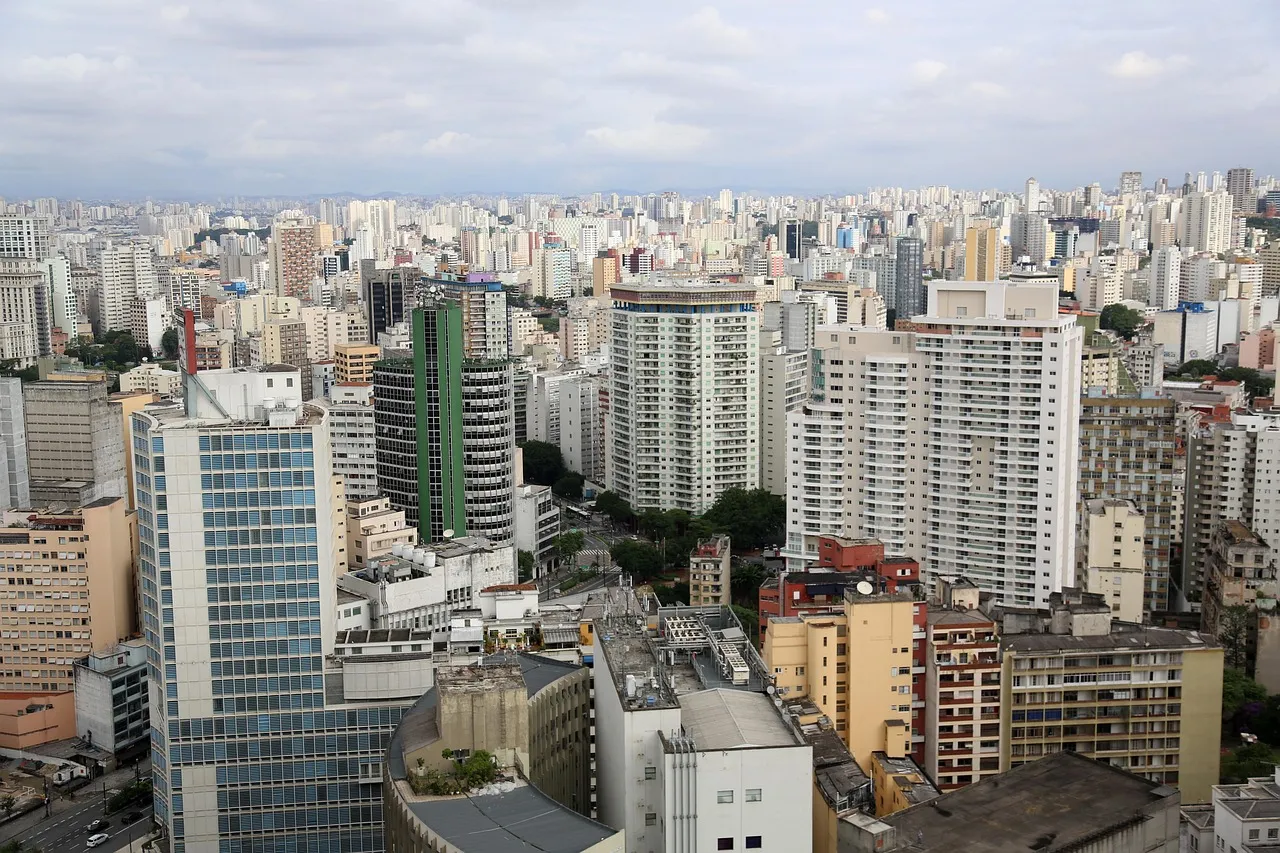
São Paulo
Brazil
City Overview
"São Paulo: Brazil’s relentless megacity—a concrete jungle of culture, commerce, and chaos where skyscrapers, samba, and street food collide."
Access
- By air: Guarulhos International Airport (GRU) – Brazil’s busiest, 25 km northeast of downtown, with global connections.
- By road: Extensive bus network (e.g., Tietê Bus Terminal) linking to all major Brazilian cities and neighboring countries.
Main Zones/Districts
- Downtown (Centro): Historic core with colonial landmarks (e.g., Sé Cathedral, Pátio do Colégio), financial hub (Bovespa Stock Exchange), and decaying grandeur.
- South Zone (Zona Sul): Upscale neighborhoods (Itaim Bibi, Vila Madalena) with nightlife, shopping (Oscar Freire St.), and green spaces (Ibirapuera Park).
- West Zone (Zona Oeste): Business and cultural hub (Faria Lima Ave., Pinheiros), home to Avenida Paulista (museums, protests, corporate HQs) and tech startups.
Quick Booking
Weather Forecast
17 °C
Practical Information
Emergency Contact Numbers
Police : 190
Fire : 193
Ambulance : 192
Currency & Conversion

—
Electrical Plugs
Voltage : Not available
Plug Type : C,N
Culture & Etiquette
Cultural Summary of São Paulo
Historical Identity
São Paulo began as a Jesuit mission in 1554. It grew into a colonial trading hub, fueled by bandeirantes (explorers) who expanded Brazil’s interior. The 19th-century coffee boom transformed it into an economic powerhouse. Mass immigration—Italian, Japanese, Portuguese, and others—shaped its multicultural identity. Today, it is Brazil’s largest city, a global metropolis blending tradition and modernity.
Three Major Cultural Sites & Museums
Museu de Arte de São Paulo (MASP)
- One of Latin America’s most important art museums.
- Houses European, Brazilian, and African masterpieces.
- Iconic suspended architecture on Avenida Paulista.
Theatro Municipal
- A historic opera house inspired by European designs.
- Hosts ballet, opera, and classical music performances.
- Symbol of São Paulo’s cultural sophistication.
Museu do Ipiranga (Independence Museum)
- Located in the Ipiranga neighborhood.
- Commemorates Brazil’s independence (1822).
- Features neoclassical architecture and historical exhibits.
Iconic Local Gastronomy
- Pão de Queijo – Chewy cheese bread, a staple snack.
- Virado à Paulista – A hearty dish with rice, beans, pork, and plantains.
- Pastel – Deep-fried pastry filled with meat, cheese, or palm heart.
- Coxinha – Shredded chicken croquette, shaped like a teardrop.
- Feijoada – Black bean stew with pork, served with rice and farofa.
- Japanese-Brazilian Fusion – São Paulo has the largest Japanese community outside Japan, influencing sushi and ramen variations.