
 Back
Back 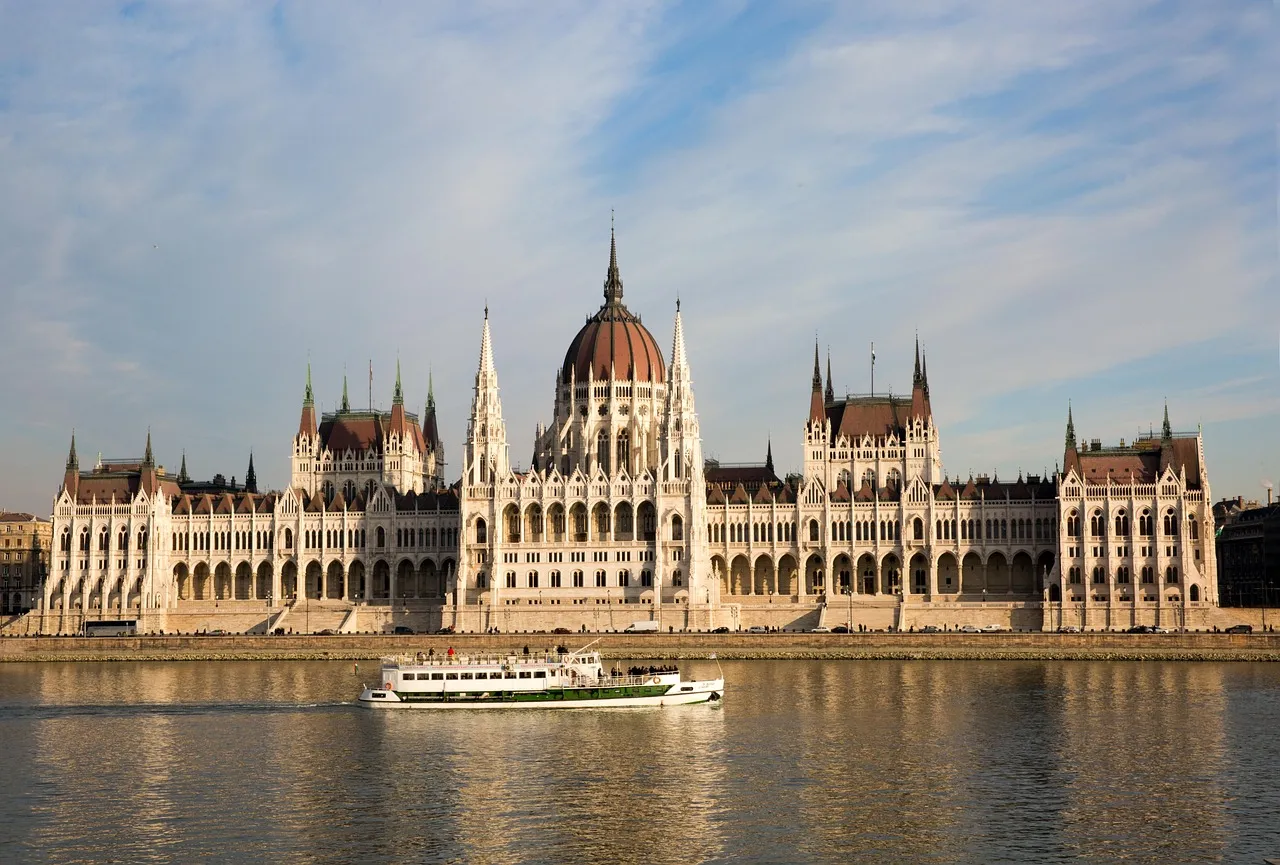
Budapest
Hungary
City Overview
Budapest: Europe’s grand dual-city of imperial grandeur, thermal baths, and ruin bars, split by the Danube.
Access:
- By air – Budapest Ferenc Liszt International Airport (BUD), 24 km southeast of the city center, served by major European and global carriers.
- By rail – Keleti, Nyugati, and Déli train stations connect to Vienna (2.5h), Prague (6h), and other European hubs via high-speed and regional lines.
Main Zones/Districts:
- Buda (West Bank) – Historic, hilly, and upscale; home to Buda Castle, Fisherman’s Bastion, Gellért Hill, and the Royal Palace.
- Pest (East Bank) – Flat, urban, and vibrant; contains Parliament, Andrássy Avenue, ruin bars (District VII), and the central business district.
- Óbuda (North Buda) – Ancient Roman roots (Aquincum), quieter residential areas, and the Danube’s northern islands (Margaret Island, Óbudai Island).
Quick Booking
Weather Forecast
Practical Information
Emergency Contact Numbers
Currency & Conversion

Electrical Plugs
Culture & Etiquette
Cultural Summary of Budapest
Historical Identity
Budapest is a city shaped by empires, revolutions, and resilience.
It was born in 1873 from the merger of Buda, Pest, and Óbuda—three distinct settlements with over 2,000 years of history. Buda, the hilly west bank, was the royal and aristocratic heart under Hungarian kings and Habsburg rule. Pest, the flat east bank, grew as a commercial and intellectual hub in the 19th century. The city flourished as the co-capital of the Austro-Hungarian Empire, a golden age of grand architecture and cultural ambition. World War II and Soviet occupation left scars, but Budapest reemerged as a symbol of Hungarian national pride after 1989. Today, it blends imperial grandeur, folk traditions, and a vibrant modern arts scene.
Three Major Cultural Sites & Museums
Buda Castle (Budavári Palota)
- A UNESCO-listed symbol of Hungarian monarchy.
- Houses the Hungarian National Gallery (medieval to modern art) and the Budapest History Museum.
- Offers panoramic views of the Danube and Pest.
Hungarian Parliament Building
- A neo-Gothic masterpiece completed in 1904.
- The crown jewels of Hungary are displayed here.
- Night illuminations make it a city icon.
House of Terror Museum
- Documents Nazi and Communist oppression in Hungary.
- Housed in the former headquarters of the ÁVH (secret police).
- A stark, immersive experience on 20th-century trauma.
Iconic Local Gastronomy
Goulash (Gulyás)
- Hungary’s national dish.
- A hearty soup (not a stew) with beef, paprika, potatoes, and carrots.
Lángos
- Deep-fried dough topped with sour cream, garlic, and cheese.
- A street food staple, often eaten at markets.
Chimney Cake (Kürtőskalács)
- Sweet, spiral-shaped pastry baked over coals.
- Coated in cinnamon sugar or nuts.
- A must-try at festivals.
Tokaji Wine
- A world-famous sweet dessert wine from the Tokaj region.
- Called the "Wine of Kings"—historically favored by European royalty.
Pörkölt
- A rich paprika-based meat stew (often beef or pork).
- Served with dumplings or bread.