
 Back
Back 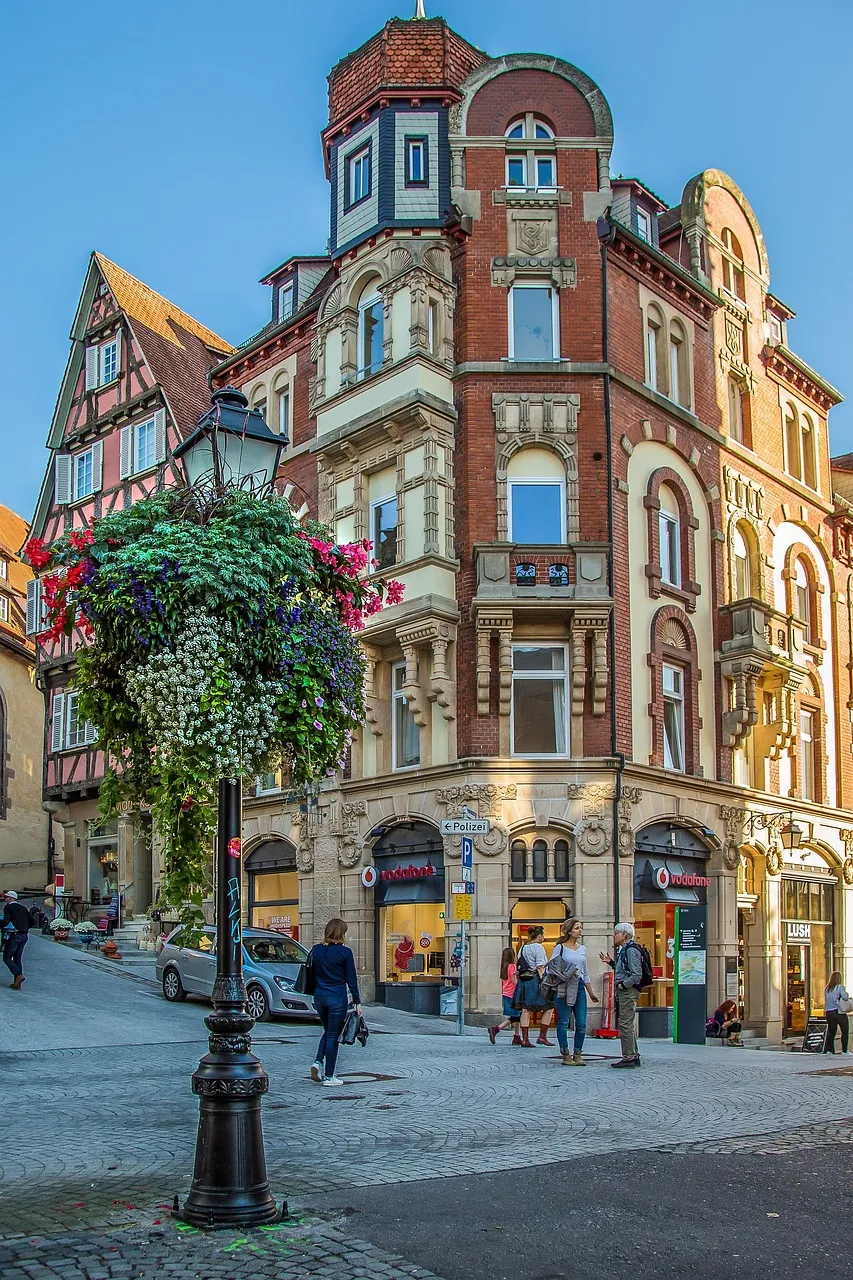
Tübingen
Germany
City Overview
Tübingen: A picturesque university town where medieval charm meets vibrant student life.
Access:
- By train – Tübingen Hauptbahnhof (main station) connects to Stuttgart (30–40 min) and other major German cities via regional and long-distance services.
- By car – Accessible via the A81 (Stuttgart–Singen) or A8 (Munich–Karlsruhe), with parking available in garages (e.g., Parkhaus Stadtgraben).
Main Zones/Districts:
- Altstadt (Old Town) – Cobblestone streets, half-timbered houses, the Neckar River, and landmarks like the Stiftskirche and Rathaus; heart of dining, shopping, and nightlife.
- Universitätsviertel (University District) – Student-dominated area with lecture halls (e.g., Neue Aula), libraries, and budget eateries; borders the Botanical Garden and Hölderlin Tower.
- Südstadt (South City) – Residential and green, home to the Wildpark (deer park), Sternwarte (observatory), and the French Quarter (post-WWII housing with cafés).
Quick Booking
Weather Forecast
Practical Information
Emergency Contact Numbers
Currency & Conversion

Electrical Plugs
Culture & Etiquette
Cultural Summary of Tübingen
Historical Identity
Tübingen is a picturesque university town in southwestern Germany. Its identity is deeply tied to its medieval roots and academic prestige.
Founded in the 12th century, it became a center of learning in the 15th century with the establishment of Eberhard Karls University (1477). The town blends half-timbered houses, cobbled streets, and a youthful energy from its large student population.
Its history is marked by Protestant Reformation influences and a tradition of intellectual debate.
Three Major Cultural Sites or Museums
Hölderlin Tower (Hölderlinturm)
- Former home of the romantic poet Friedrich Hölderlin.
- Now a museum dedicated to his life and works.
- Offers views of the Neckar River.
Stiftskirche (Collegiate Church)
- A Gothic church with a striking Renaissance pulpit.
- Houses the tombs of early Württemberg dukes.
- Key site for Protestant Reformation history.
Stadtmuseum Tübingen (City Museum)
- Covers local history from prehistoric times to the present.
- Features exhibits on Tübingen’s university, crafts, and daily life.
- Includes a model of the medieval town.
Iconic Local Gastronomy
Maultaschen
- A Swabian specialty: large dumplings filled with meat, spinach, and bread.
- Often served in broth or pan-fried with onions.
Schwäbischer Zwiebelkuchen (Swabian Onion Cake)
- A savory yeast-based tart topped with caramelized onions, bacon, and cream.
- Traditionally eaten in autumn with new wine (Federweisser).
Studentenkuss ("Student’s Kiss")
- A chocolate-covered marshmallow confection.
- Originally sold as a flirtatious treat for students.
Local Wine
- Tübingen lies in the Württemberg wine region.
- Try Trollinger (a light red) or Riesling (white).