
 Back
Back 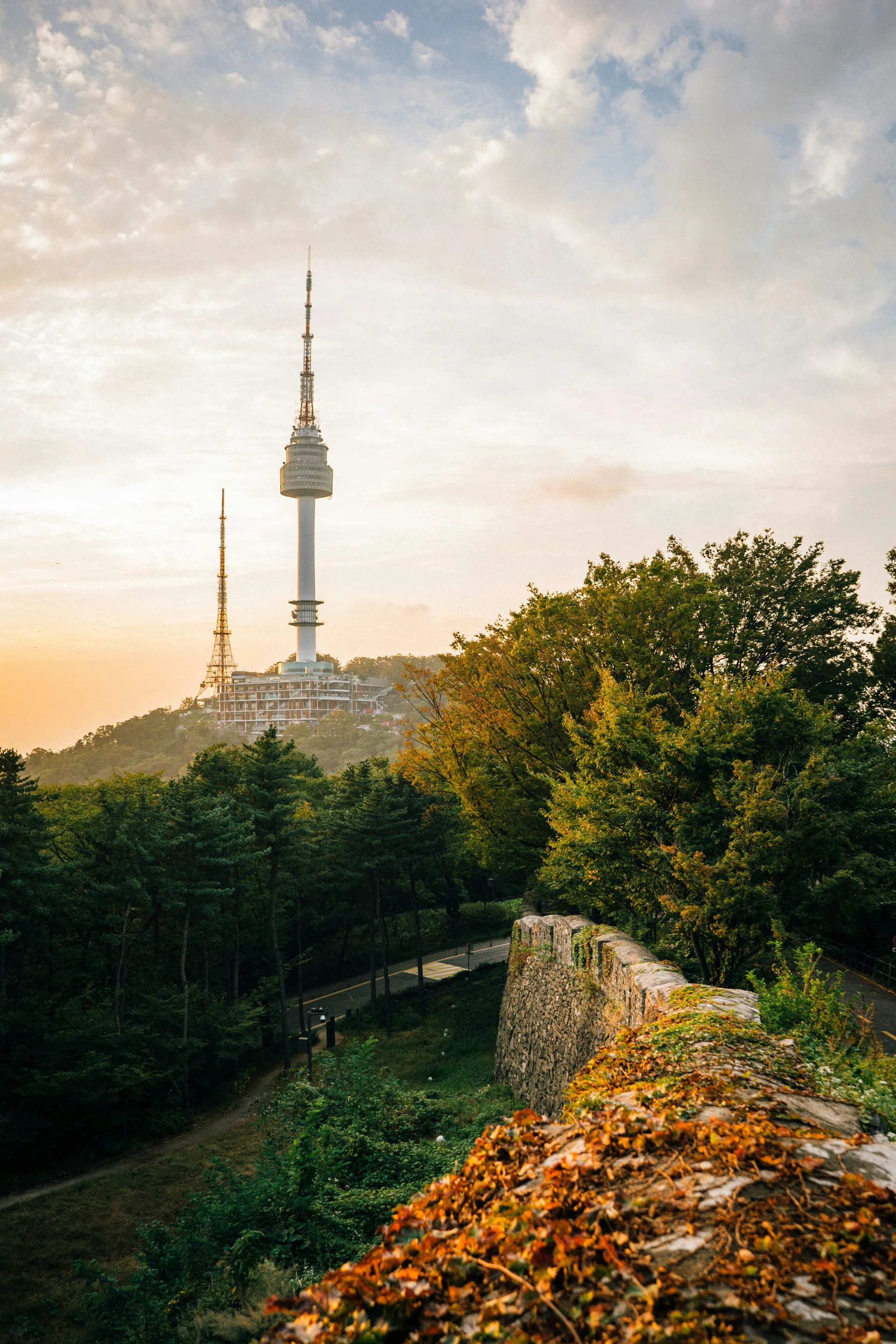
Seoul
South Korea
City Overview
Seoul: A pulsating metropolis where ancient palaces and neon skyscrapers collide in a relentless rhythm of tradition and hyper-modernity.
Access:
- Incheon International Airport (ICN) – Primary global gateway, 50 km west of Seoul, connected by AREX express train (43 min) or limousine bus (60–90 min).
- Gimpo International Airport (GMP) – Secondary hub for domestic and short-haul regional flights (Japan, China, Taiwan), 15 km west, linked by subway (Line 5/Airport Railroad, 20–30 min).
Main Zones/Districts:
- Jongno (Central Historic Core) – Home to Gyeongbokgung Palace, Bukchon Hanok Village, Insadong (traditional crafts/tea houses), and Cheonggyecheon Stream; the cultural and political heart.
- Gangnam (Modern Business/Entertainment Hub) – Upscale district with COEX Mall, Lotte World Tower, Apgujeong (luxury shopping), and Teheran-ro (tech startups); synonymous with wealth and K-pop.
- Hongdae (Youth Culture & Nightlife) – Centered around Hongik University, packed with indie music venues, street performances, 24-hour cafés, and clubs; the epicenter of Seoul’s creative energy.
Quick Booking
Weather Forecast
Practical Information
Emergency Contact Numbers
Currency & Conversion

Electrical Plugs
Culture & Etiquette
Cultural Summary of Seoul
Historical Identity
Seoul is a city where ancient traditions and rapid modernization coexist.
It served as the capital of Korea for over 600 years under the Joseon Dynasty (1392–1910). The city preserves its royal heritage through palaces, temples, and Confucian values.
Yet, it has transformed into a global metropolis. Skyscrapers and cutting-edge technology now stand alongside historic sites. This blend defines Seoul’s unique cultural identity.
Three Major Cultural Sites & Museums
Gyeongbokgung Palace
- The largest and most iconic royal palace in Seoul.
- Built in 1395, it was the heart of the Joseon Dynasty.
- Visitors can witness the Royal Guard Changing Ceremony.
- Rent a hanbok (traditional Korean attire) for free entry.
Bukchon Hanok Village
- A historic neighborhood with 600-year-old hanok houses.
- Offers a glimpse into traditional Korean architecture and lifestyle.
- Located between Gyeongbokgung and Changdeokgung Palaces.
- Popular for cultural tours and photography.
National Museum of Korea
- The largest museum in Korea, housing over 220,000 artifacts.
- Exhibits span prehistoric relics to modern art.
- Features Buddhist sculptures, celadon pottery, and royal treasures.
- Free admission to permanent exhibitions.
Iconic Local Gastronomy
Kimchi
- Korea’s most famous fermented side dish.
- Made with napa cabbage, radish, chili pepper, and garlic.
- Served with nearly every meal.
Bibimbap
- A mixed rice bowl with vegetables, meat, egg, and gochujang (chili paste).
- Often served in a hot stone pot (dolsot) for a crispy bottom layer.
Korean BBQ (Galbi & Samgyeopsal)
- Galbi: Marinated grilled beef short ribs.
- Samgyeopsal: Thick, unmarinated pork belly slices.
- Typically grilled at the table and wrapped in lettuce with garlic and ssamjang (spicy paste).
Tteokbokki
- Chewy rice cakes in a spicy-sweet red chili sauce.
- A popular street food, often sold at pojangmacha (street tents).
Hanjeongsik (Korean Full-Course Meal)
- A traditional multi-dish meal with rice, soup, kimchi, and various banchan (side dishes).
- Reflects Korea’s Confucian dining culture.